THE ADVENTURE COLLECTIVE® · Independent discovery and booking for outdoor travel

A concentrated, steep trek through Cat Ba National Park’s Butterfly Valley that rewards climbers with limestone ridgelines, dense rainforest, and the chance to see the endangered Cat Ba langur. This half-day route is short, sharp, and best for fit hikers.
A concentrated, steep trek through Cat Ba National Park’s Butterfly Valley that rewards climbers with limestone ridgelines, dense rainforest, and the chance to see the endangered Cat Ba langur. This half-day route is short, sharp, and best for fit hikers.
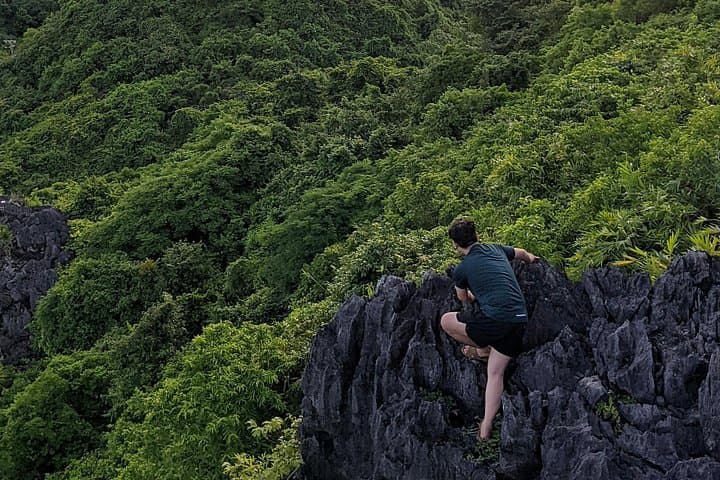
Morning light filters through the canopy as you step off the coastal road and into the breathing green of Cat Ba’s Butterfly Valley. The trail climbs quickly—rocky steps, exposed roots and sharp limestone outcrops demand attention—while butterflies and small birds wheel around the understory, daring you to move faster.
Verified experiences and guided adventures in the surrounding area.
Operated by Cat Ba Local Tour · Cat Ba Town, Hai Phong
Morning light filters through the canopy as you step off the coastal road and into the breathing green of Cat Ba’s Butterfly Valley. The trail climbs quickly—rocky steps, exposed roots and sharp limestone outcrops demand attention—while butterflies and small birds wheel around the understory, daring you to move faster.
Cat Ba sits at the edge of Ha Long Bay and the archipelago was designated a UNESCO Biosphere Reserve in 2004. The valley cuts through karst limestone shaped by millions of years of uplift and erosion; caves, ridgelines and narrow gullies tell a geologic story of sea, stone and time. Locally, fishing and small-scale agriculture shape village life; guides often share stories about langur conservation and the island’s wartime past.
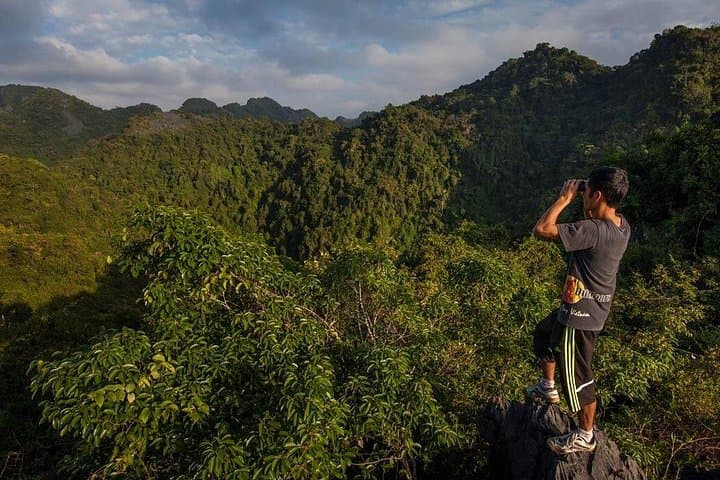
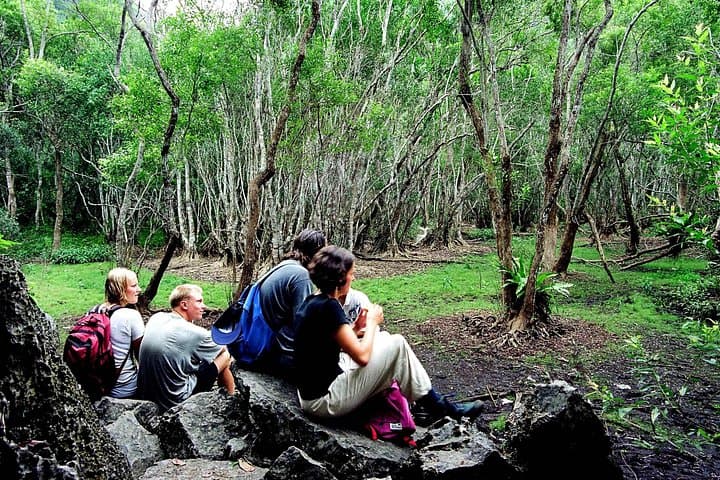
Expect steep, sweaty climbs rather than easy promenades—this half-day trek is short on distance but high on intensity. The route threads primary and secondary rainforest, with slick rock after rain and pockets of loose scree. Wildlife encounters are possible: Cat Ba langurs, spotted deer and flocks of butterflies may appear if you move quietly. Your guide will lead, point out edible plants, and read the landscape for you.
Practical guidance: wear ankle-supporting boots, carry 1–2 liters of water, and start early to avoid midday heat and passing showers. Use biodegradable sunscreen and keep to the trail to protect fragile limestone soils. If you hope to see the endangered langur, be patient and low-voiced—these animals respond to calm, not crowds.
You should have a moderate to high fitness level—expect steep climbs, uneven footing and sustained effort over 3 hours on the trail.
Langurs are rare and shy; guided treks increase chances by choosing quieter routes and times, but sightings are not guaranteed.
An English-speaking local guide, pick-up and drop-off, and all listed activities are included—confirm vegetarian meal requests at booking.
Operators cancel in severe weather; light rain is possible but heavy monsoon storms make limestone slippery and unsafe.
Cat Ba Local Tour operates guided outdoor trips and adventures with an emphasis on safety, stewardship, and memorable experiences.

Morning light filters through the canopy as you step off the coastal road and into the breathing green of Cat Ba’s Butterfly Valley. The trail climbs quickly—rocky steps, exposed roots and sharp limestone outcrops demand attention—while butterflies and small birds wheel around the understory, daring you to move faster.
Morning light filters through the canopy as you step off the coastal road and into the breathing green of Cat Ba’s Butterfly Valley. The trail climbs quickly—rocky steps, exposed roots and sharp limestone outcrops demand attention—while butterflies and small birds wheel around the understory, daring you to move faster.
Cat Ba sits at the edge of Ha Long Bay and the archipelago was designated a UNESCO Biosphere Reserve in 2004. The valley cuts through karst limestone shaped by millions of years of uplift and erosion; caves, ridgelines and narrow gullies tell a geologic story of sea, stone and time. Locally, fishing and small-scale agriculture shape village life; guides often share stories about langur conservation and the island’s wartime past.
Expect steep, sweaty climbs rather than easy promenades—this half-day trek is short on distance but high on intensity. The route threads primary and secondary rainforest, with slick rock after rain and pockets of loose scree. Wildlife encounters are possible: Cat Ba langurs, spotted deer and flocks of butterflies may appear if you move quietly. Your guide will lead, point out edible plants, and read the landscape for you.
Practical guidance: wear ankle-supporting boots, carry 1–2 liters of water, and start early to avoid midday heat and passing showers. Use biodegradable sunscreen and keep to the trail to protect fragile limestone soils. If you hope to see the endangered langur, be patient and low-voiced—these animals respond to calm, not crowds.