THE ADVENTURE COLLECTIVE® · Independent discovery and booking for outdoor travel

Board a traditional kayuko with a Santiago Atitlán resident, plant tul reeds by hand, and learn how this humble plant filters the lake and supports local crafts. This intimate, 2–3 hour tour blends hands-on ecology with cultural insight.
Board a traditional kayuko with a Santiago Atitlán resident, plant tul reeds by hand, and learn how this humble plant filters the lake and supports local crafts. This intimate, 2–3 hour tour blends hands-on ecology with cultural insight.
A low-slung kayuko parts the mirror of Lake Atitlan as dawn light skims volcanic rims; the guide’s paddle ticks, and the shoreline of Santiago Atitlán comes into focus. You step into shallow water alongside a local harvester and learn to plant tul—tall, reed-like marsh plants—into the lake’s edge, each stem a small promise to water and bird alike.
Verified experiences and guided adventures in the surrounding area.
Operated by Guat2do Travel Experiences · Santiago Atitlán, Sololá
A low-slung kayuko parts the mirror of Lake Atitlan as dawn light skims volcanic rims; the guide’s paddle ticks, and the shoreline of Santiago Atitlán comes into focus. You step into shallow water alongside a local harvester and learn to plant tul—tall, reed-like marsh plants—into the lake’s edge, each stem a small promise to water and bird alike.
Lake Atitlan sits in a volcanic caldera formed tens of thousands of years ago, its steep walls and fertile slopes shaped by eruptions and human cultivation. Santiago Atitlán is a Tz’utujil Maya town where crafts made from tul and woven reed remain an everyday economy. The plants themselves do double duty: they act as natural filters, provide habitat for fish and birds, and supply fibers for baskets and mats sold in town.
The tour moves at a gentle pace—a short kayuko crossing, guided planting in waist-deep water, and a hands-on look at local crafts back in town. It’s cultural interpretation as much as ecology: expect practical demonstrations, the chance to plant your own tul, and a close-up of how artisans turn reeds into everyday goods.
Bring quick-dry clothing, water shoes, and a towel; the guide supplies lifejackets. Timing matters: mornings are calmer and clearer for seeing birds and water life. Respect private gardens and local customs, and follow guidance when entering the water—this activity is as much about community care as it is about scenery. The result is small, tactile, and restorative: muddy hands, a planted stem, and a clearer sense of how people and lake sustain one another.
No; lifejackets are provided and planting is done in shallow, waist-deep water. Basic comfort in water is helpful.
Boat transfers are not included by default but can be arranged for an additional cost—message the operator for a quote.
Yes—children who can wade comfortably and follow guide instructions can participate; supervise closely near water.
The trip is offered as a private experience; confirm group size with the operator when booking since ticketing may be per booking.
Guat2do Travel Experiences operates guided outdoor trips and adventures with an emphasis on safety, stewardship, and memorable experiences.
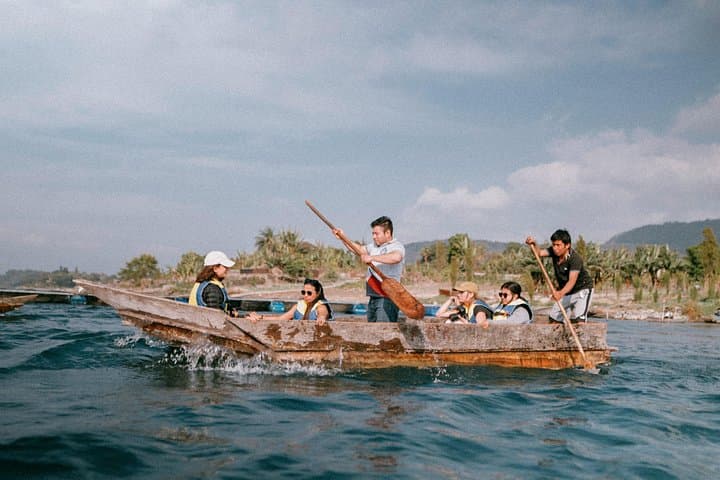

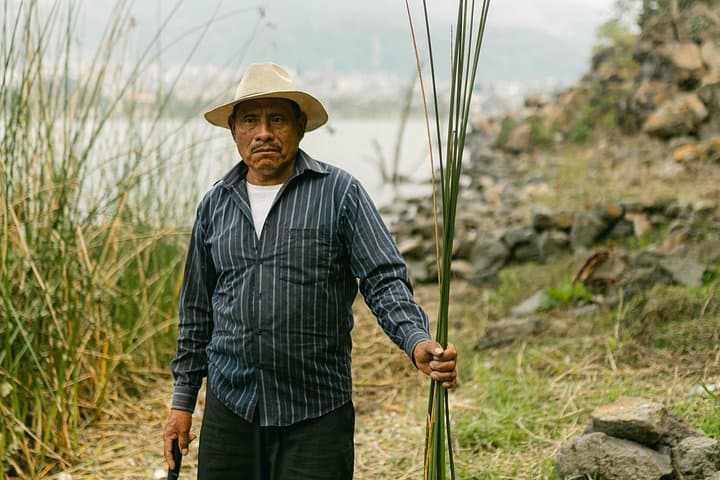
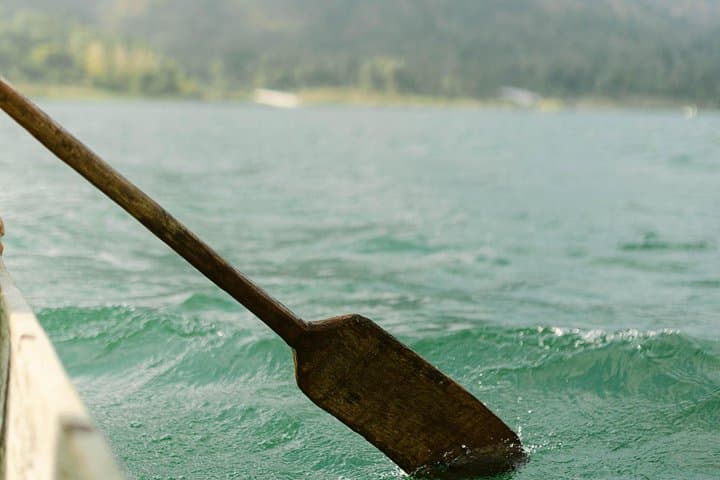
A low-slung kayuko parts the mirror of Lake Atitlan as dawn light skims volcanic rims; the guide’s paddle ticks, and the shoreline of Santiago Atitlán comes into focus. You step into shallow water alongside a local harvester and learn to plant tul—tall, reed-like marsh plants—into the lake’s edge, each stem a small promise to water and bird alike.
A low-slung kayuko parts the mirror of Lake Atitlan as dawn light skims volcanic rims; the guide’s paddle ticks, and the shoreline of Santiago Atitlán comes into focus. You step into shallow water alongside a local harvester and learn to plant tul—tall, reed-like marsh plants—into the lake’s edge, each stem a small promise to water and bird alike.
Lake Atitlan sits in a volcanic caldera formed tens of thousands of years ago, its steep walls and fertile slopes shaped by eruptions and human cultivation. Santiago Atitlán is a Tz’utujil Maya town where crafts made from tul and woven reed remain an everyday economy. The plants themselves do double duty: they act as natural filters, provide habitat for fish and birds, and supply fibers for baskets and mats sold in town.
The tour moves at a gentle pace—a short kayuko crossing, guided planting in waist-deep water, and a hands-on look at local crafts back in town. It’s cultural interpretation as much as ecology: expect practical demonstrations, the chance to plant your own tul, and a close-up of how artisans turn reeds into everyday goods.
Bring quick-dry clothing, water shoes, and a towel; the guide supplies lifejackets. Timing matters: mornings are calmer and clearer for seeing birds and water life. Respect private gardens and local customs, and follow guidance when entering the water—this activity is as much about community care as it is about scenery. The result is small, tactile, and restorative: muddy hands, a planted stem, and a clearer sense of how people and lake sustain one another.