THE ADVENTURE COLLECTIVE® · Independent discovery and booking for outdoor travel

Crossing Cook Strait aboard the InterIslander ferry is both a practical transfer and a scenic voyage through the Marlborough Sounds. Expect three hours of island-dotted coastline, on‑deck birdwatching, and café service—perfect whether you’re a foot passenger or driving a vehicle.
Crossing Cook Strait aboard the InterIslander ferry is both a practical transfer and a scenic voyage through the Marlborough Sounds. Expect three hours of island-dotted coastline, on‑deck birdwatching, and café service—perfect whether you’re a foot passenger or driving a vehicle.
The deck smells of salt and diesel as the ferry slides out of Picton, islands shrinking to green pins while the Marlborough Sounds open like a complex of fjord‑like arms. Waves run at the hull; gulls thread the spray and, for the next three hours, the sea sets the pace.
Verified experiences and guided adventures in the surrounding area.
Operated by Interislander · Picton, Marlborough
The deck smells of salt and diesel as the ferry slides out of Picton, islands shrinking to green pins while the Marlborough Sounds open like a complex of fjord‑like arms. Waves run at the hull; gulls thread the spray and, for the next three hours, the sea sets the pace.
The crossing follows waterways carved by glaciation and rising seas—drowned river valleys that formed the Marlborough Sounds—and crosses the Cook Strait, long traversed by Māori waka and charted by European explorers. The inter-island ferry service has tied the North and South for decades, becoming both transport lifeline and scenic passage for locals and travellers. Along the way you’ll pass sheltered bays, steep forested ridges, and outcrops where seals haul out and dolphins ride the bow.
Onboard, choices are simple: café and bar, observation decks, a children’s area and lounges on select sailings. Accessibility features and vehicle carriage make it a practical option whether you’re foot passenger or driving a camper. Check-in is 60 minutes before departure; luggage rules are strict (two items, 23 kg each) and terminals accept electronic payments only.
Timing matters—calm seas give the clearest views; early morning light flatters the coves, while late sailings can be breezier. Bring a warm waterproof layer, secure small bags, and allow extra time in Picton or Wellington for transit connections. For many, the ride is less a commute and more a corridor through New Zealand’s coastal spine: a moving window onto geology, wildlife and the slow shift between islands.
Scheduled crossings take about 3 hours 30 minutes; allow extra time for check-in and disembarkation.
Yes—book vehicle travel in advance; vehicle check-in closes 60 minutes before departure and vehicles are loaded under staff direction.
Passengers may check two items up to 23 kg each; additional or oversized gear may incur charges and must be declared at check‑in.
Service animals are permitted; pets may travel in approved kennels for an additional fee—spaces are limited so reserve ahead.
Interislander operates guided outdoor trips and adventures with an emphasis on safety, stewardship, and memorable experiences.
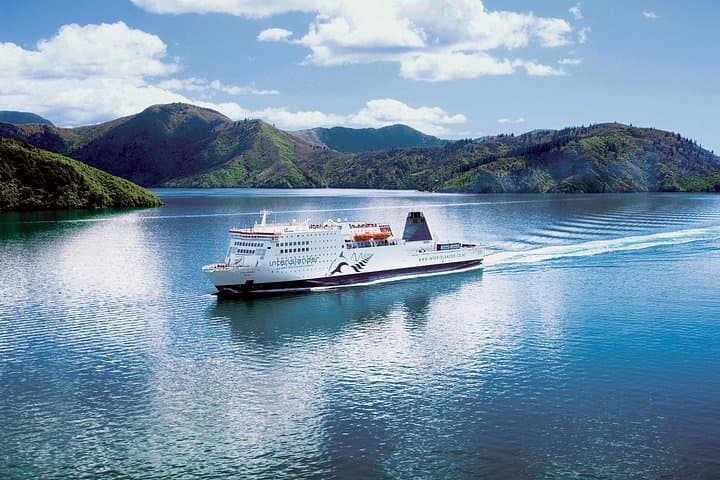
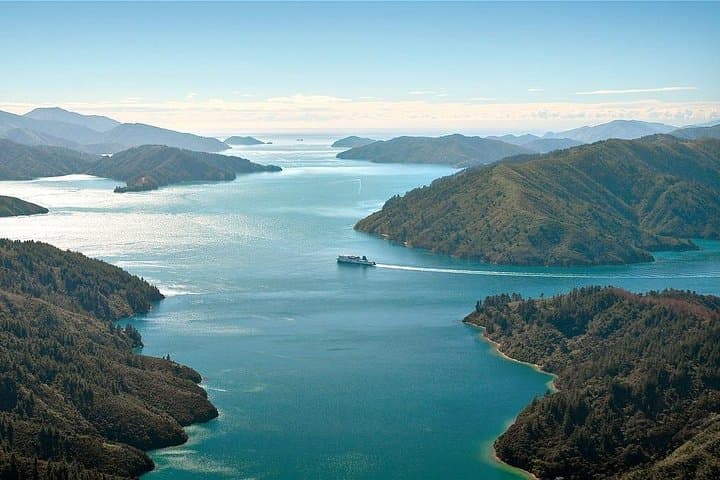

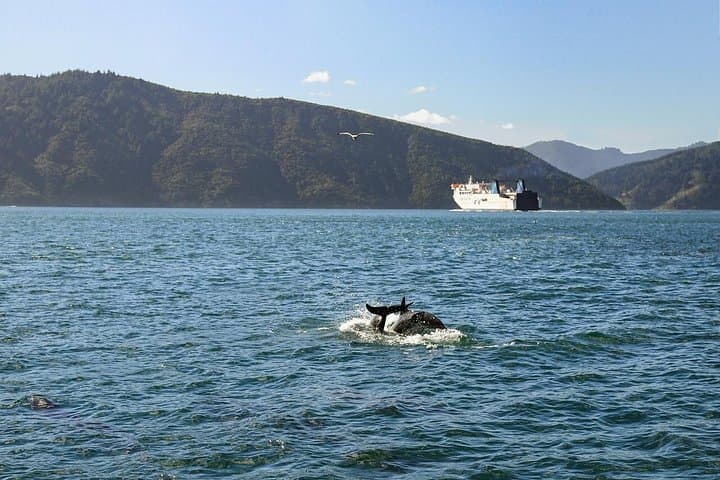
The deck smells of salt and diesel as the ferry slides out of Picton, islands shrinking to green pins while the Marlborough Sounds open like a complex of fjord‑like arms. Waves run at the hull; gulls thread the spray and, for the next three hours, the sea sets the pace.
The deck smells of salt and diesel as the ferry slides out of Picton, islands shrinking to green pins while the Marlborough Sounds open like a complex of fjord‑like arms. Waves run at the hull; gulls thread the spray and, for the next three hours, the sea sets the pace.
The crossing follows waterways carved by glaciation and rising seas—drowned river valleys that formed the Marlborough Sounds—and crosses the Cook Strait, long traversed by Māori waka and charted by European explorers. The inter-island ferry service has tied the North and South for decades, becoming both transport lifeline and scenic passage for locals and travellers. Along the way you’ll pass sheltered bays, steep forested ridges, and outcrops where seals haul out and dolphins ride the bow.
Onboard, choices are simple: café and bar, observation decks, a children’s area and lounges on select sailings. Accessibility features and vehicle carriage make it a practical option whether you’re foot passenger or driving a camper. Check-in is 60 minutes before departure; luggage rules are strict (two items, 23 kg each) and terminals accept electronic payments only.
Timing matters—calm seas give the clearest views; early morning light flatters the coves, while late sailings can be breezier. Bring a warm waterproof layer, secure small bags, and allow extra time in Picton or Wellington for transit connections. For many, the ride is less a commute and more a corridor through New Zealand’s coastal spine: a moving window onto geology, wildlife and the slow shift between islands.