THE ADVENTURE COLLECTIVE® · Independent discovery and booking for outdoor travel

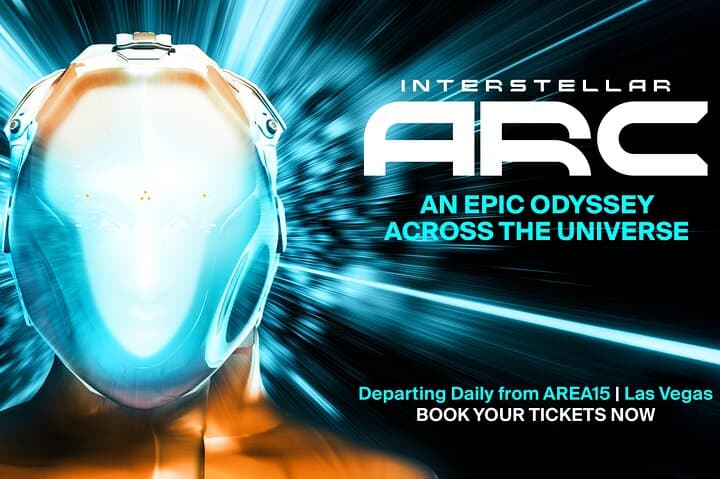
Step inside a twenty-fourth-century lunar terminal and spend an hour exploring a fully free-roaming VR starship at AREA15. Interstellar Arc blends theatrical sets, spatial redirection, and social storytelling to create a cinematic, group-friendly experience in Las Vegas.
Step inside a twenty-fourth-century lunar terminal and spend an hour exploring a fully free-roaming VR starship at AREA15. Interstellar Arc blends theatrical sets, spatial redirection, and social storytelling to create a cinematic, group-friendly experience in Las Vegas.
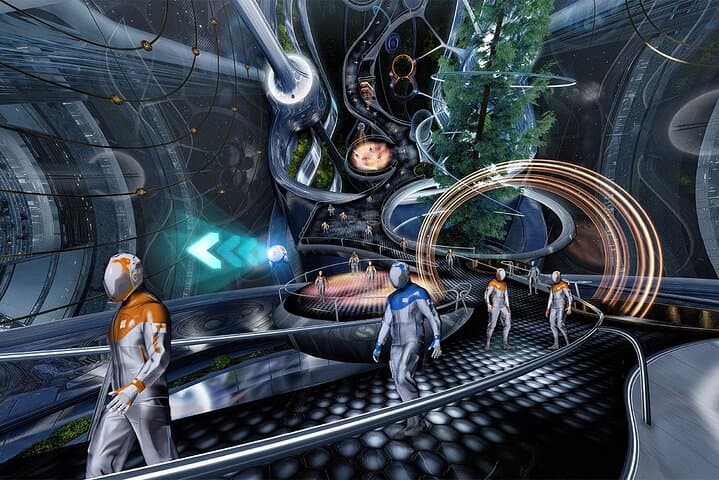
You step off the polished concrete of AREA15 into a simulated lunar terminal: low hums, cool air, and actors curating the illusion that you’re minutes from cryosleep. Within an hour the crowd dissolves into small crews—headsets click on, hands find familiar grips, and a ship that never existed begins to unfold around you.
Verified experiences and guided adventures in the surrounding area.
Operated by Interstellar ARC · Las Vegas, Nevada
You step off the polished concrete of AREA15 into a simulated lunar terminal: low hums, cool air, and actors curating the illusion that you’re minutes from cryosleep. Within an hour the crowd dissolves into small crews—headsets click on, hands find familiar grips, and a ship that never existed begins to unfold around you.
AREA15 opened as an experimental arts-and-entertainment complex in Las Vegas, blending immersive installations and commercial nightlife. Interstellar Arc extends that lineage into large-format VR: a free-roaming experience built on spatial redirection techniques and a set the size of multiple basketball courts, designed to make a 27th-century voyage feel lived-in rather than filmed. Though Vegas sits on Mojave desert geology—baked basalts and alluvial fans outside the neon—the attraction borrows the language of orbital travel and distant exoplanets to create a social, cinematic space indoors.
Culturally, Arc leans into collaborative play: groups interact, take photos inside the virtual ship, and trade reactions as a shared narrative. Practically, expect a one-hour, low-impact experience suitable for most fitness levels but not recommended for people with serious cardiovascular conditions or susceptible to motion sickness. Book mobile tickets in advance, arrive 15–30 minutes early for orientation, and secure loose items; staff are trained for accessibility and to guide first-time VR users.
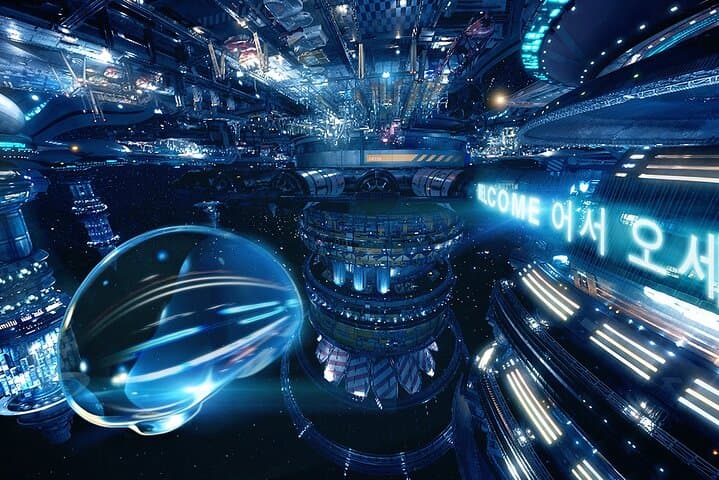
For travelers, Interstellar Arc is less about adrenaline and more about immersion—an engineered microcosm that lets you walk through a future city in the heart of Las Vegas without stepping outside.
Interstellar Arc runs about 60 minutes including orientation and debrief; the core VR sequence is part of that hour.
Yes—AREA15 and the Interstellar Arc experience are wheelchair accessible; notify staff or indicate needs when booking for accommodations.
Photo policies vary by scene—guests can capture selfies in many areas, but follow staff instructions and restrictions during sensitive segments.
The experience is family-friendly but not recommended for people with severe heart conditions; check booking questions for age bands and list any special requirements.
Interstellar ARC operates guided outdoor trips and adventures with an emphasis on safety, stewardship, and memorable experiences.
You step off the polished concrete of AREA15 into a simulated lunar terminal: low hums, cool air, and actors curating the illusion that you’re minutes from cryosleep. Within an hour the crowd dissolves into small crews—headsets click on, hands find familiar grips, and a ship that never existed begins to unfold around you.
You step off the polished concrete of AREA15 into a simulated lunar terminal: low hums, cool air, and actors curating the illusion that you’re minutes from cryosleep. Within an hour the crowd dissolves into small crews—headsets click on, hands find familiar grips, and a ship that never existed begins to unfold around you.
AREA15 opened as an experimental arts-and-entertainment complex in Las Vegas, blending immersive installations and commercial nightlife. Interstellar Arc extends that lineage into large-format VR: a free-roaming experience built on spatial redirection techniques and a set the size of multiple basketball courts, designed to make a 27th-century voyage feel lived-in rather than filmed. Though Vegas sits on Mojave desert geology—baked basalts and alluvial fans outside the neon—the attraction borrows the language of orbital travel and distant exoplanets to create a social, cinematic space indoors.
Culturally, Arc leans into collaborative play: groups interact, take photos inside the virtual ship, and trade reactions as a shared narrative. Practically, expect a one-hour, low-impact experience suitable for most fitness levels but not recommended for people with serious cardiovascular conditions or susceptible to motion sickness. Book mobile tickets in advance, arrive 15–30 minutes early for orientation, and secure loose items; staff are trained for accessibility and to guide first-time VR users.
For travelers, Interstellar Arc is less about adrenaline and more about immersion—an engineered microcosm that lets you walk through a future city in the heart of Las Vegas without stepping outside.