THE ADVENTURE COLLECTIVE® · Independent discovery and booking for outdoor travel

A four-day circuit from Arequipa that combines steep canyon trails, pre-Inca archaeology and a night with a local family in Quechualla. Expect long drives, bright highland light and a rewarding mix of hiking, hot springs and small-scale wine tasting.
A four-day circuit from Arequipa that combines steep canyon trails, pre-Inca archaeology and a night with a local family in Quechualla. Expect long drives, bright highland light and a rewarding mix of hiking, hot springs and small-scale wine tasting.
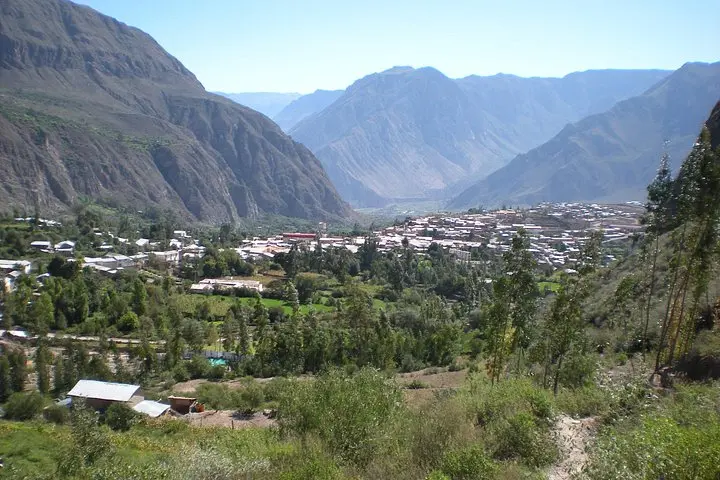
The minivan peels away from Arequipa before dawn, headlights slicing the highland blue. As the city falls behind, volcanoes keep vigil on the horizon and the road threads through scrub and farms. By mid-morning the bus pauses at Toro Muerto—an open library of petroglyphs where stone panels seem to point toward the canyon that waits further down the valley. The landscape is not gentle; Cotahuasi’s walls descend with abrupt, folded geology, and the river at the bottom dares you to imagine the centuries it took to carve this cleft into the Andes.
Verified experiences and guided adventures in the surrounding area.
Operated by Arequipa Tour · Cotahuasi, Arequipa
The minivan peels away from Arequipa before dawn, headlights slicing the highland blue. As the city falls behind, volcanoes keep vigil on the horizon and the road threads through scrub and farms. By mid-morning the bus pauses at Toro Muerto—an open library of petroglyphs where stone panels seem to point toward the canyon that waits further down the valley. The landscape is not gentle; Cotahuasi’s walls descend with abrupt, folded geology, and the river at the bottom dares you to imagine the centuries it took to carve this cleft into the Andes.
Cotahuasi Canyon vies with the deepest ravines on Earth, its strata exposed like pages of a long geological record. Human history sits on those pages: pre-Inca hanging tombs and terraced fields tell a continuous story of adaptation. The tour follows stretches of Capac Ñan—the Inca road network that once linked coast and highlands—so every step feels like a brush with routes that shaped regional trade and ritual life.
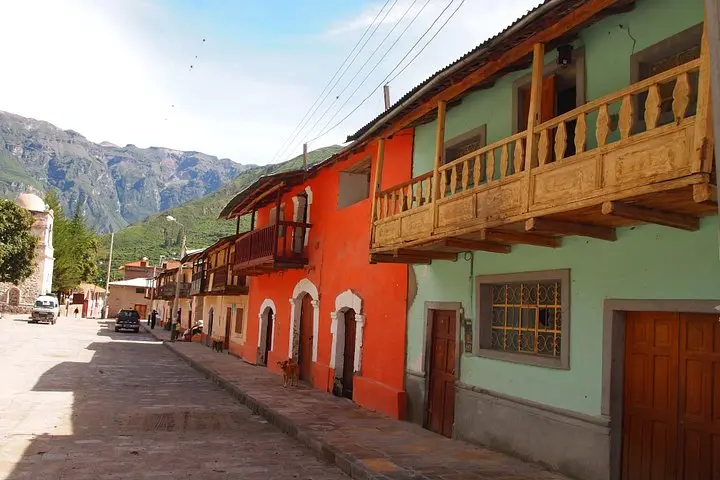
What sets this four-day itinerary apart is the blend of terrain and people. You spend nights in a basic hostel and one night with a local family in Quechualla, a village perched at about 1,700 meters where organic fruit trees—cherimoya, lucuma, pacay—are part of daily life. Hikes cross three suspension bridges and thread through cactus forests where some species rise to improbable heights. Guides point out bat roosts and tell stories of the canyon’s role in local mythology. There’s time for quiet: a wine and pisco tasting sourced from small-scale producers, then a soak in Luicho hot springs at 38–40°C, which feel like a practical benediction to tired muscles.
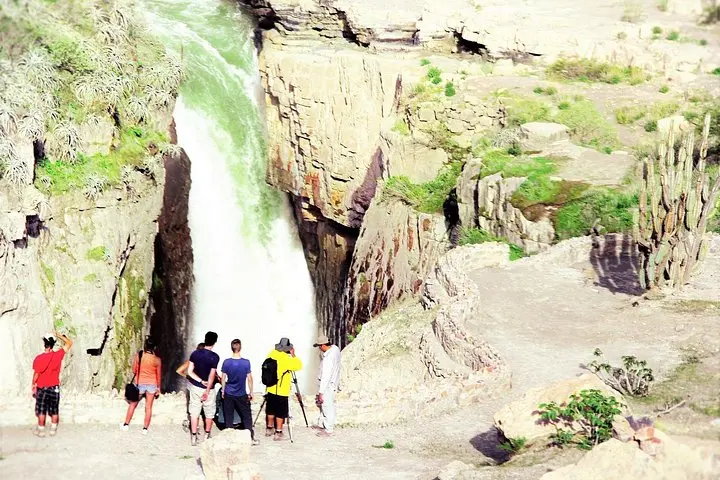
By day two you’ll tackle the 8 km Quechualla trail (roughly 4 hours) with steady elevation change—trail surfaces vary from packed earth to loose scree. On day three a side hike leads to Sipia waterfall, the canyon’s emblematic drop, where spray catches sunlight and the river below seems to pull everything toward its course.
Practical notes: the itinerary requires a moderate level of fitness and comfort with long drives and altitude shifts. Bring layered clothing for variable mountain conditions, sturdy hiking shoes, sun protection, and cash for small purchases in villages. The operator provides meals (several lunches, dinners and breakfasts), transport, local guide and basic lodging; one night is hosted in a family home. Acclimatize in Arequipa for a day or two if you can—altitude and sustained hiking are the two biggest factors here.
Cotahuasi is rough-edged and genuine: it rewards travelers who move slowly, listen to local stories, and respect the fragile ecosystems that hold both ancient ruins and modern livelihoods.
Transport from Arequipa, local guide, most meals listed (3 dinners, 4 lunches, 3 breakfasts), two hostel nights and one night with a local family, and entrance to listed sites.
The main trail is about 8 km and takes roughly 4 hours with steady climbs and variable footing—moderate difficulty for anyone comfortable with long uphill sections.
Yes—Cotahuasi and surrounding routes sit at varied elevations; acclimatize in Arequipa and hydrate, and inform your guide if you have symptoms.
Facilities in villages and at hostels are basic; on trail sections you should be prepared for primitive stops and pack out what you can.
Yes—Luicho hot springs are included on day three; water is natural thermal (38–40°C) and good for soothing sore muscles.
This tour is best for teenagers and adults with moderate fitness; long drives and hiking sections may be challenging for young children.
Arequipa Tour operates guided outdoor trips and adventures with an emphasis on safety, stewardship, and memorable experiences.
The minivan peels away from Arequipa before dawn, headlights slicing the highland blue. As the city falls behind, volcanoes keep vigil on the horizon and the road threads through scrub and farms. By mid-morning the bus pauses at Toro Muerto—an open library of petroglyphs where stone panels seem to point toward the canyon that waits further down the valley. The landscape is not gentle; Cotahuasi’s walls descend with abrupt, folded geology, and the river at the bottom dares you to imagine the centuries it took to carve this cleft into the Andes.
The minivan peels away from Arequipa before dawn, headlights slicing the highland blue. As the city falls behind, volcanoes keep vigil on the horizon and the road threads through scrub and farms. By mid-morning the bus pauses at Toro Muerto—an open library of petroglyphs where stone panels seem to point toward the canyon that waits further down the valley. The landscape is not gentle; Cotahuasi’s walls descend with abrupt, folded geology, and the river at the bottom dares you to imagine the centuries it took to carve this cleft into the Andes.
Cotahuasi Canyon vies with the deepest ravines on Earth, its strata exposed like pages of a long geological record. Human history sits on those pages: pre-Inca hanging tombs and terraced fields tell a continuous story of adaptation. The tour follows stretches of Capac Ñan—the Inca road network that once linked coast and highlands—so every step feels like a brush with routes that shaped regional trade and ritual life.
What sets this four-day itinerary apart is the blend of terrain and people. You spend nights in a basic hostel and one night with a local family in Quechualla, a village perched at about 1,700 meters where organic fruit trees—cherimoya, lucuma, pacay—are part of daily life. Hikes cross three suspension bridges and thread through cactus forests where some species rise to improbable heights. Guides point out bat roosts and tell stories of the canyon’s role in local mythology. There’s time for quiet: a wine and pisco tasting sourced from small-scale producers, then a soak in Luicho hot springs at 38–40°C, which feel like a practical benediction to tired muscles.
By day two you’ll tackle the 8 km Quechualla trail (roughly 4 hours) with steady elevation change—trail surfaces vary from packed earth to loose scree. On day three a side hike leads to Sipia waterfall, the canyon’s emblematic drop, where spray catches sunlight and the river below seems to pull everything toward its course.
Practical notes: the itinerary requires a moderate level of fitness and comfort with long drives and altitude shifts. Bring layered clothing for variable mountain conditions, sturdy hiking shoes, sun protection, and cash for small purchases in villages. The operator provides meals (several lunches, dinners and breakfasts), transport, local guide and basic lodging; one night is hosted in a family home. Acclimatize in Arequipa for a day or two if you can—altitude and sustained hiking are the two biggest factors here.
Cotahuasi is rough-edged and genuine: it rewards travelers who move slowly, listen to local stories, and respect the fragile ecosystems that hold both ancient ruins and modern livelihoods.