THE ADVENTURE COLLECTIVE® · Independent discovery and booking for outdoor travel

Wade across a teasing river, duck under calcified formations and stand before the Crystal Maiden—the calcified remains that make Actun Tunichil Muknal one of the most intense cave experiences in Central America. This trip blends jungle hiking, river crossings and a guided, respectful entry into a sacred Maya site.
Wade across a teasing river, duck under calcified formations and stand before the Crystal Maiden—the calcified remains that make Actun Tunichil Muknal one of the most intense cave experiences in Central America. This trip blends jungle hiking, river crossings and a guided, respectful entry into a sacred Maya site.
You slip from the jungle into a green world that smells like wet earth and crushed leaves. The river meets you first—cold, insistent, a braided ribbon that dares you to cross. With a rope handline and a guide’s steady voice, you pick your footing on slick stones and move across; on the far bank the trail flattens and the canopy tightens. Thirty-five minutes later the limestone mouth waits, a dark collar in the hill, and the light from your headlamp becomes less a tool than a companion.
Verified experiences and guided adventures in the surrounding area.
Operated by Maya Adventure Travel · San Ignacio, Cayo District
You slip from the jungle into a green world that smells like wet earth and crushed leaves. The river meets you first—cold, insistent, a braided ribbon that dares you to cross. With a rope handline and a guide’s steady voice, you pick your footing on slick stones and move across; on the far bank the trail flattens and the canopy tightens. Thirty-five minutes later the limestone mouth waits, a dark collar in the hill, and the light from your headlamp becomes less a tool than a companion.
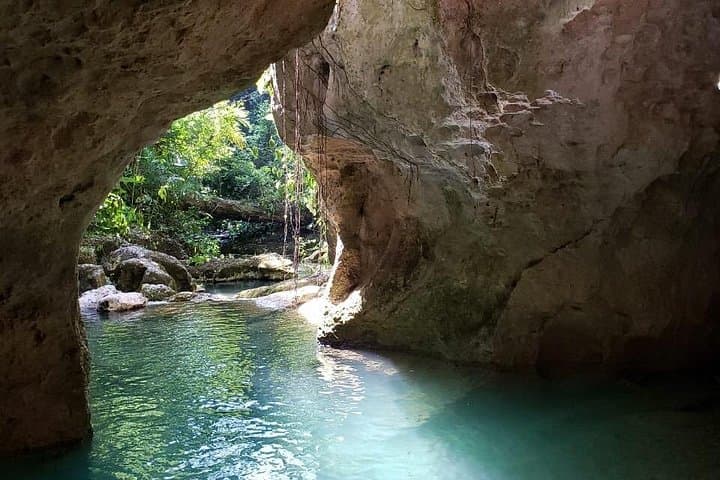
Actun Tunichil Muknal (ATM) is as much archaeological site as adventure route. Maya people used this cave in ceremonial practice during the Classic period; archaeologists since the 1980s have cataloged pottery, tools and human remains across its chambers. Geologically, ATM is a carved karst system—river passages, scalloped ceilings and calcified formations formed over hundreds of thousands of years. Inside, water levels fluctuate with season and rainfall, shifting the route and the difficulty of the trek.
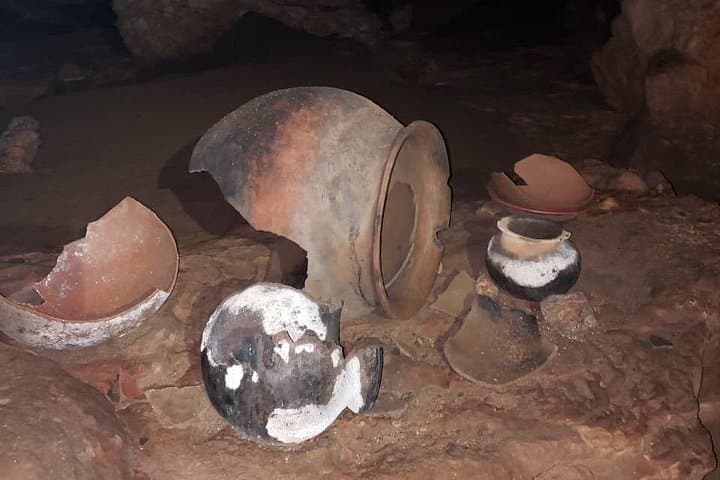
The cave experience separates into distinct phases: the jungle approach and river crossings, the wade-and-climb interior where stalactites and stalagmites press close, and the Sacred Chamber where broken ceramics and calcified bones lie scattered across stone floors. The “Crystal Maiden,” a fully calcified skeleton, is the arresting focal point—both a poignant archaeological artifact and a reminder of ritual practice in the region. Guides interpret the spatial layout, pointing out ceremony areas, ritual deposits and features of the cave’s formation.
Practically, this is not a casual stroll. Expect up to 500 meters of wading within the cave with water levels ranging from ankle to chest. You will climb a 3–4 meter ledge and, at times, use arm and leg strength to squeeze through low passages. Footwear that grips when wet, quick-dry layers and a waterproof pack are essential. Helmets and headlamps are provided, but bring spare batteries and a small dry bag for electronics.
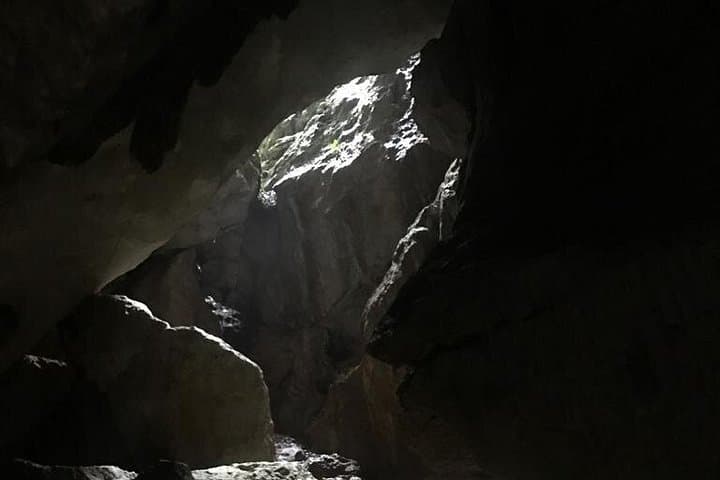
Respect matters here: the Sacred Chamber is fragile and off-limits for touching; follow your guide’s directions on where to step and when to remove shoes for sensitive surfaces. The operator times group entry to minimize impact and preserve visibility for photography, so move deliberately and be prepared for dim conditions.
Timing-wise, mornings are best—cooler jungle air, lower visitor numbers and steadier light on the approach. During the rainy season river crossings are deeper and guides may cancel trips if safety is compromised. When it all aligns, the cave delivers an intense mix of physical challenge, geological spectacle and a sobering window into Maya ceremony—an adventure that asks for preparation and returns a clear, unforgettable sense of place.
The first crossing can reach about 5 feet outside dry season; the other two are usually under a foot. Depth varies with rainfall—follow the guide and rope handlines.
Yes—helmets and headlamps are provided and inspected by guides before entry, but bring spare batteries and a small light if you prefer.
Children can join if physically capable and closely supervised; operators typically set age limits and require parent judgment about wading and climbing ability.
Photography is generally allowed but without flash in sensitive areas—always follow your guide and do not use lights or tripods that could damage artifacts.
Quick-dry clothes, water shoes with good grip and a lightweight long-sleeve layer for cooler sections; you may remove shoes at points under guide instruction.
Heavy rain can raise water levels and make the trek unsafe; the operator will cancel in dangerous conditions and offer a full refund if canceled at least 24 hours prior.
Maya Adventure Travel operates guided outdoor trips and adventures with an emphasis on safety, stewardship, and memorable experiences.
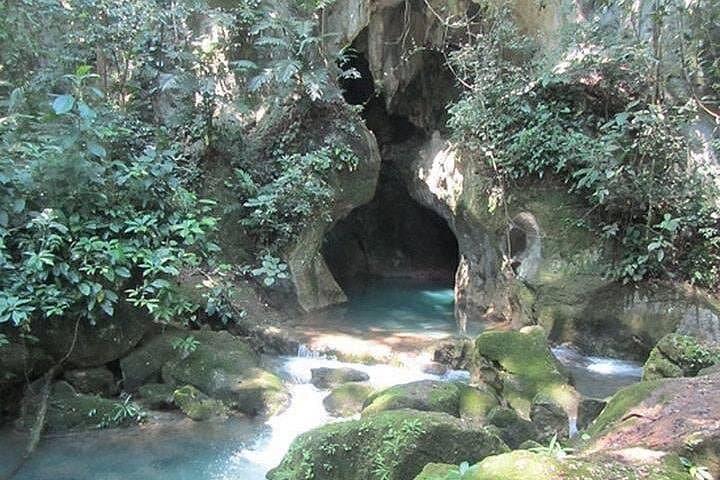
You slip from the jungle into a green world that smells like wet earth and crushed leaves. The river meets you first—cold, insistent, a braided ribbon that dares you to cross. With a rope handline and a guide’s steady voice, you pick your footing on slick stones and move across; on the far bank the trail flattens and the canopy tightens. Thirty-five minutes later the limestone mouth waits, a dark collar in the hill, and the light from your headlamp becomes less a tool than a companion.
You slip from the jungle into a green world that smells like wet earth and crushed leaves. The river meets you first—cold, insistent, a braided ribbon that dares you to cross. With a rope handline and a guide’s steady voice, you pick your footing on slick stones and move across; on the far bank the trail flattens and the canopy tightens. Thirty-five minutes later the limestone mouth waits, a dark collar in the hill, and the light from your headlamp becomes less a tool than a companion.
Actun Tunichil Muknal (ATM) is as much archaeological site as adventure route. Maya people used this cave in ceremonial practice during the Classic period; archaeologists since the 1980s have cataloged pottery, tools and human remains across its chambers. Geologically, ATM is a carved karst system—river passages, scalloped ceilings and calcified formations formed over hundreds of thousands of years. Inside, water levels fluctuate with season and rainfall, shifting the route and the difficulty of the trek.
The cave experience separates into distinct phases: the jungle approach and river crossings, the wade-and-climb interior where stalactites and stalagmites press close, and the Sacred Chamber where broken ceramics and calcified bones lie scattered across stone floors. The “Crystal Maiden,” a fully calcified skeleton, is the arresting focal point—both a poignant archaeological artifact and a reminder of ritual practice in the region. Guides interpret the spatial layout, pointing out ceremony areas, ritual deposits and features of the cave’s formation.
Practically, this is not a casual stroll. Expect up to 500 meters of wading within the cave with water levels ranging from ankle to chest. You will climb a 3–4 meter ledge and, at times, use arm and leg strength to squeeze through low passages. Footwear that grips when wet, quick-dry layers and a waterproof pack are essential. Helmets and headlamps are provided, but bring spare batteries and a small dry bag for electronics.
Respect matters here: the Sacred Chamber is fragile and off-limits for touching; follow your guide’s directions on where to step and when to remove shoes for sensitive surfaces. The operator times group entry to minimize impact and preserve visibility for photography, so move deliberately and be prepared for dim conditions.
Timing-wise, mornings are best—cooler jungle air, lower visitor numbers and steadier light on the approach. During the rainy season river crossings are deeper and guides may cancel trips if safety is compromised. When it all aligns, the cave delivers an intense mix of physical challenge, geological spectacle and a sobering window into Maya ceremony—an adventure that asks for preparation and returns a clear, unforgettable sense of place.