THE ADVENTURE COLLECTIVE® · Independent discovery and booking for outdoor travel

Wade, climb, and crawl into one of the Maya world’s most evocative cave shrines. This full-day trip from San Ignacio blends river swims, archaeological chambers, and a local lunch—perfect for travelers who want history with a physical edge.
Wade, climb, and crawl into one of the Maya world’s most evocative cave shrines. This full-day trip from San Ignacio blends river swims, archaeological chambers, and a local lunch—perfect for travelers who want history with a physical edge.
The morning air on the Roaring River is humid and sharp; a guide adjusts the straps on a group’s wet shoes while the current hisses like a distant animal. A kilometer inland, the jungle hush closes in and the trail slopes toward a stone mouth cut into shadow—the entrance to Actun Tunichil Muknal (ATM). From the roadside drive to the final crawl, the day has the measured tension of a rite: move carefully, listen closely, and let the cave tell its history.
Verified experiences and guided adventures in the surrounding area.
Operated by Belize Family Adventure · San Ignacio, Cayo District
The morning air on the Roaring River is humid and sharp; a guide adjusts the straps on a group’s wet shoes while the current hisses like a distant animal. A kilometer inland, the jungle hush closes in and the trail slopes toward a stone mouth cut into shadow—the entrance to Actun Tunichil Muknal (ATM). From the roadside drive to the final crawl, the day has the measured tension of a rite: move carefully, listen closely, and let the cave tell its history.
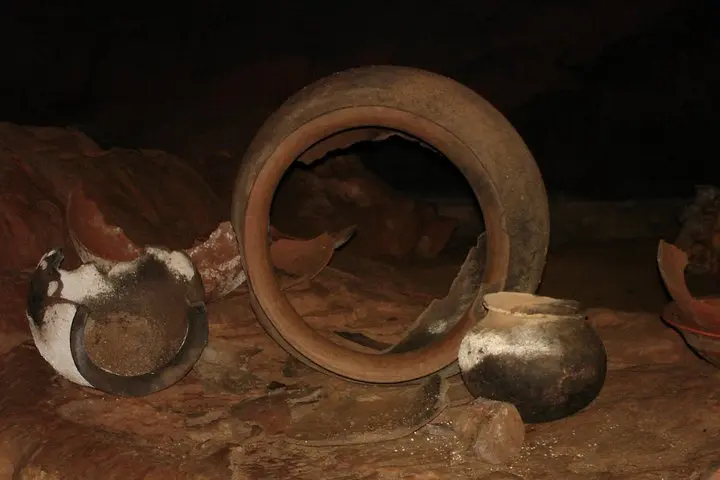
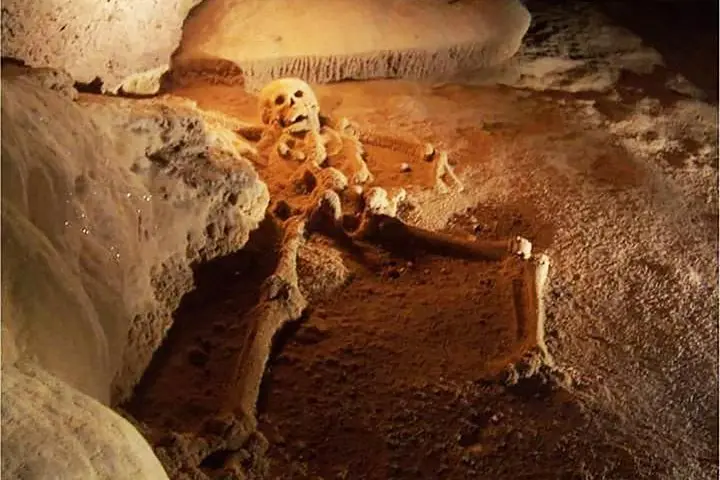
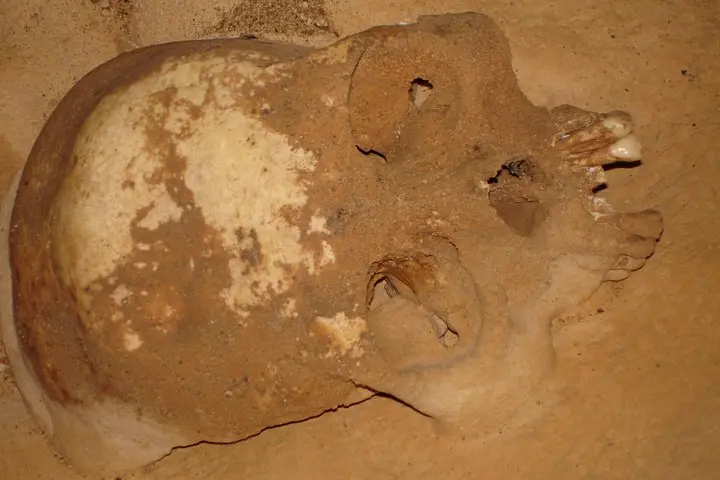
ATM is as much archaeology as adventure. Maya people long considered caves portals to Xibalba, the underworld, and this site contains over a thousand pottery fragments and human remains left in ritual contexts. Geologically, ATM is a solution cave carved through limestone by water percolating from the surface; inside, flowstones, curtains, and columns create rooms that glow in headlamp cones. The constant drip and slow deposition that formed stalactites and stalagmites gives the cave its palpable slow-time—rock growing one drop at a time.
Cultural memory is present in the guide’s voice as much as in the artifacts—stories of offerings, the structure of Maya cosmology, and how the cave landscape shaped ceremonial travel. Outside, the Roaring River dares visitors to splash and cool off after the spelunk; rainforest birds call overhead, and small farms around San Ignacio hint at the Cayo District’s agricultural rhythms.
Practically, the excursion is a full day. Expect a one-hour drive from San Ignacio, a 35-minute round-trip hike to the entrance, and several hours inside cave passages that require wading, swimming, and climbing. Shoes are removed in key chambers to protect fragile formations; guides enforce strict rules—no cameras, no touching formations, and no straying from the group. Bring a change of clothes, dry socks, and a reusable water bottle. The tour includes a local lunch—stew chicken with rice and beans or a vegetarian option—and bottled water.
For travelers, timing matters. Morning departures avoid late-afternoon heat and give the group better energy for the swim sections. Fitness-wise, moderate endurance and comfort with waist-deep water and uneven footing are required. Pregnant travelers and those with serious back or heart conditions should not join. Respect for the site’s archaeology is nonnegotiable: the cave is an active research area, and conservation protocols keep ATM intact for future study.
By afternoon, when the group returns to the sunlight, the river seems to push everyone toward dry clothes and a quiet appreciation—an experience that pairs physical challenge with a layered sense of place. For those prepared, ATM is a rare chance to move through a landscape that has held human meaning for centuries and to come out with a clearer sense of why underground spaces shaped Maya ritual life.
No—cameras and phones are banned to protect the site and its fragile archaeological remains; you can photograph outside the cave.
Expect moderate physical effort: a short hike, three river crossings, sections requiring waist-deep water or swimming, and some climbing and crawling.
Children may join if they meet the minimum height requirement (40 inches) and can safely navigate water and uneven terrain; guardians should evaluate swimming ability.
Closed-toe water shoes, quick-dry shorts or pants, and a T-shirt or long-sleeve that can get wet; socks are required because parts of cave shoes are removed.
Yes—complimentary pickup is provided within San Ignacio town limits; hotels outside town may incur a surcharge.
Basic facilities are available at the trailhead/parking area before the hike; none inside the cave—plan accordingly.
Belize Family Adventure operates guided outdoor trips and adventures with an emphasis on safety, stewardship, and memorable experiences.
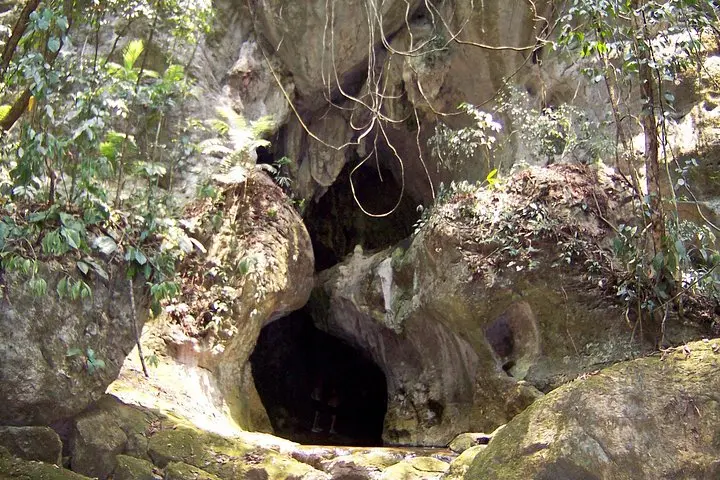
The morning air on the Roaring River is humid and sharp; a guide adjusts the straps on a group’s wet shoes while the current hisses like a distant animal. A kilometer inland, the jungle hush closes in and the trail slopes toward a stone mouth cut into shadow—the entrance to Actun Tunichil Muknal (ATM). From the roadside drive to the final crawl, the day has the measured tension of a rite: move carefully, listen closely, and let the cave tell its history.
The morning air on the Roaring River is humid and sharp; a guide adjusts the straps on a group’s wet shoes while the current hisses like a distant animal. A kilometer inland, the jungle hush closes in and the trail slopes toward a stone mouth cut into shadow—the entrance to Actun Tunichil Muknal (ATM). From the roadside drive to the final crawl, the day has the measured tension of a rite: move carefully, listen closely, and let the cave tell its history.
ATM is as much archaeology as adventure. Maya people long considered caves portals to Xibalba, the underworld, and this site contains over a thousand pottery fragments and human remains left in ritual contexts. Geologically, ATM is a solution cave carved through limestone by water percolating from the surface; inside, flowstones, curtains, and columns create rooms that glow in headlamp cones. The constant drip and slow deposition that formed stalactites and stalagmites gives the cave its palpable slow-time—rock growing one drop at a time.
Cultural memory is present in the guide’s voice as much as in the artifacts—stories of offerings, the structure of Maya cosmology, and how the cave landscape shaped ceremonial travel. Outside, the Roaring River dares visitors to splash and cool off after the spelunk; rainforest birds call overhead, and small farms around San Ignacio hint at the Cayo District’s agricultural rhythms.
Practically, the excursion is a full day. Expect a one-hour drive from San Ignacio, a 35-minute round-trip hike to the entrance, and several hours inside cave passages that require wading, swimming, and climbing. Shoes are removed in key chambers to protect fragile formations; guides enforce strict rules—no cameras, no touching formations, and no straying from the group. Bring a change of clothes, dry socks, and a reusable water bottle. The tour includes a local lunch—stew chicken with rice and beans or a vegetarian option—and bottled water.
For travelers, timing matters. Morning departures avoid late-afternoon heat and give the group better energy for the swim sections. Fitness-wise, moderate endurance and comfort with waist-deep water and uneven footing are required. Pregnant travelers and those with serious back or heart conditions should not join. Respect for the site’s archaeology is nonnegotiable: the cave is an active research area, and conservation protocols keep ATM intact for future study.
By afternoon, when the group returns to the sunlight, the river seems to push everyone toward dry clothes and a quiet appreciation—an experience that pairs physical challenge with a layered sense of place. For those prepared, ATM is a rare chance to move through a landscape that has held human meaning for centuries and to come out with a clearer sense of why underground spaces shaped Maya ritual life.