THE ADVENTURE COLLECTIVE® · Independent discovery and booking for outdoor travel

Spend a long day chasing water-sculpted habitat and shy wildlife in Wilpattu National Park. This remote, low-traffic reserve rewards patience with quiet leopard encounters, waterbird flocks, and open, raw landscapes.
Spend a long day chasing water-sculpted habitat and shy wildlife in Wilpattu National Park. This remote, low-traffic reserve rewards patience with quiet leopard encounters, waterbird flocks, and open, raw landscapes.
A drowsy seaside van peels away from Bentota before dawn and the road unspools north, heat and humidity already pressing against the windows. By mid-morning the land changes: scrub and low forest tighten, and the park’s namesake tanks—shallow, seasonal lakes called "wil"—glint like mirrors among the trees. The jeep slows; the jungle seems to hold its breath.
Verified experiences and guided adventures in the surrounding area.
Operated by Apple Vacations Pvt Ltd · Anuradhapura, North Central Province
A drowsy seaside van peels away from Bentota before dawn and the road unspools north, heat and humidity already pressing against the windows. By mid-morning the land changes: scrub and low forest tighten, and the park’s namesake tanks—shallow, seasonal lakes called "wil"—glint like mirrors among the trees. The jeep slows; the jungle seems to hold its breath.
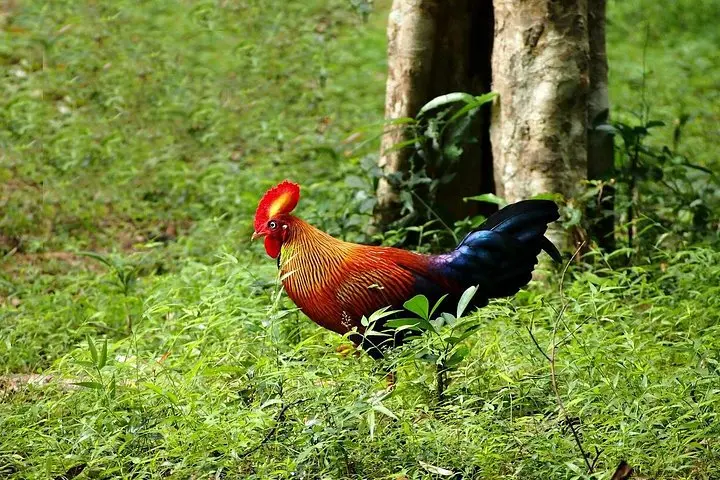
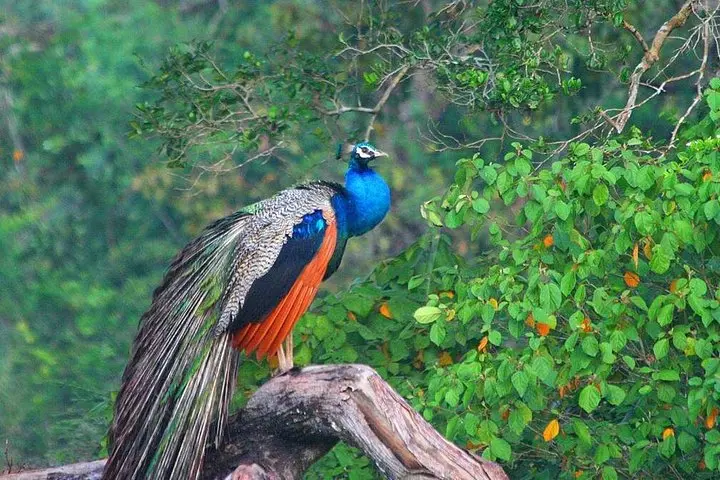
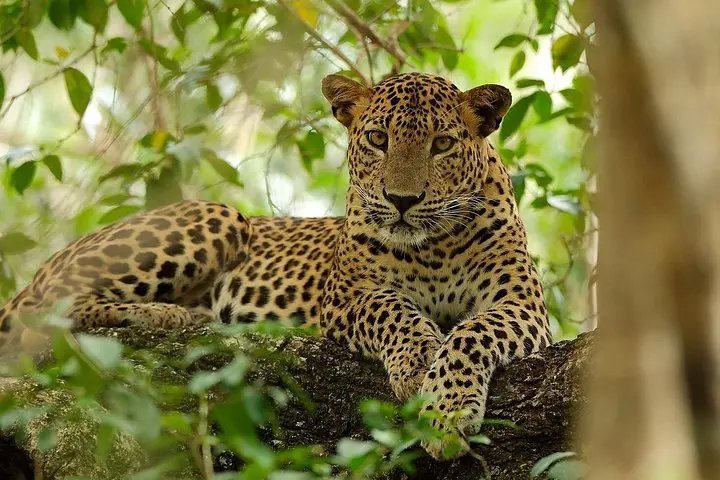
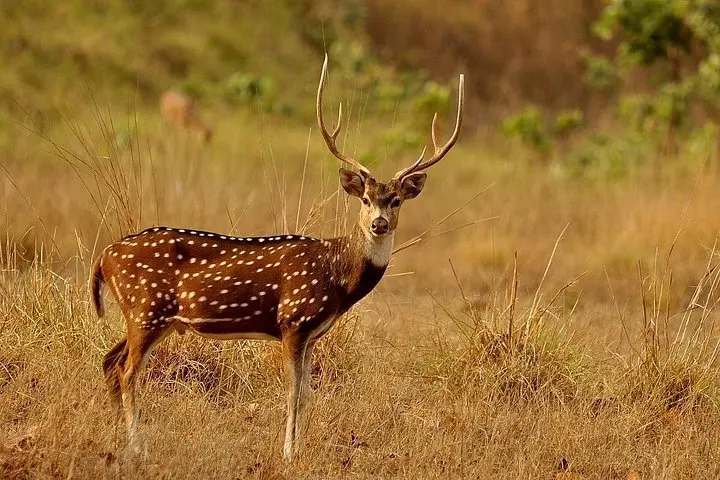
Wilpattu National Park is one of Sri Lanka’s largest protected areas, shaped by coastal plains and scattered limestone outcrops. Its "villus"—depressions that fill seasonally—drive the park’s ecology, creating islands of water that attract deer, elephants, and waterbirds. Human history in the region runs deep: ancient irrigation works and nearby Anuradhapura-era settlements reflect a long relationship between people and managed water. The park’s reputation centers on leopards, but success on a safari here is earned—animals are less habituated to vehicles than in busier parks, so sightings are quieter, sudden, and more alive.
Practically, a Wilpattu day is long: expect a 14–16 hour outing with early pickup and late return. Bring water, sun protection, and patience; glassy tanks can tease out herons and crocodiles as readily as big cats. Jeeps travel rutted tracks and skirt marshy ground—motion is part of the experience. Guides read the land like a script: where grass meets water, life gathers.
For visitors, the reward is a real sense of wilderness—open skies, bold birds, and the chance that the forest will, for a moment, reveal something wild and intentional.
Tours typically run 14–16 hours door-to-door depending on traffic and exact pickup points.
No—Wilpattu’s wildlife is less habituated, so sightings are possible but never guaranteed; patience and a good guide improve chances.
Infants may sit in laps; the tour isn’t recommended for pregnant travelers or those with serious back issues due to long transfer times and bumpy rides.
Tours commonly include English-speaking chauffeurs or guides; confirm language needs when booking.
Apple Vacations Pvt Ltd operates guided outdoor trips and adventures with an emphasis on safety, stewardship, and memorable experiences.
A drowsy seaside van peels away from Bentota before dawn and the road unspools north, heat and humidity already pressing against the windows. By mid-morning the land changes: scrub and low forest tighten, and the park’s namesake tanks—shallow, seasonal lakes called "wil"—glint like mirrors among the trees. The jeep slows; the jungle seems to hold its breath.
A drowsy seaside van peels away from Bentota before dawn and the road unspools north, heat and humidity already pressing against the windows. By mid-morning the land changes: scrub and low forest tighten, and the park’s namesake tanks—shallow, seasonal lakes called "wil"—glint like mirrors among the trees. The jeep slows; the jungle seems to hold its breath.
Wilpattu National Park is one of Sri Lanka’s largest protected areas, shaped by coastal plains and scattered limestone outcrops. Its "villus"—depressions that fill seasonally—drive the park’s ecology, creating islands of water that attract deer, elephants, and waterbirds. Human history in the region runs deep: ancient irrigation works and nearby Anuradhapura-era settlements reflect a long relationship between people and managed water. The park’s reputation centers on leopards, but success on a safari here is earned—animals are less habituated to vehicles than in busier parks, so sightings are quieter, sudden, and more alive.
Practically, a Wilpattu day is long: expect a 14–16 hour outing with early pickup and late return. Bring water, sun protection, and patience; glassy tanks can tease out herons and crocodiles as readily as big cats. Jeeps travel rutted tracks and skirt marshy ground—motion is part of the experience. Guides read the land like a script: where grass meets water, life gathers.
For visitors, the reward is a real sense of wilderness—open skies, bold birds, and the chance that the forest will, for a moment, reveal something wild and intentional.