THE ADVENTURE COLLECTIVE® · Independent discovery and booking for outdoor travel

This compact three-hour tour threads Tondo’s bustling market life, Binondo’s centuries-old Chinatown, and Intramuros’ colonial ramparts into a single, walkable route. Expect street food, ornate churches, and a local guide who ties the neighborhoods’ histories together.
This compact three-hour tour threads Tondo’s bustling market life, Binondo’s centuries-old Chinatown, and Intramuros’ colonial ramparts into a single, walkable route. Expect street food, ornate churches, and a local guide who ties the neighborhoods’ histories together.
Morning light slices between low Spanish-era walls as a guide leads a small group through narrow lanes and market stalls, the city’s layered history audible in vendors’ calls and church bells. The tour moves from the raw energy of Tondo’s market alleys to the peppered aromas of Binondo’s Ongpin Street and finally into Intramuros’ quiet, stone-lined courtyards.
Verified experiences and guided adventures in the surrounding area.
Operated by Manila Experience (V.S Tour Services) · Manila, Metro Manila
Morning light slices between low Spanish-era walls as a guide leads a small group through narrow lanes and market stalls, the city’s layered history audible in vendors’ calls and church bells. The tour moves from the raw energy of Tondo’s market alleys to the peppered aromas of Binondo’s Ongpin Street and finally into Intramuros’ quiet, stone-lined courtyards.
Tondo’s roots predate colonization and still show in its dense street life; Binondo, founded in 1594, is the world’s oldest Chinatown and a living record of Filipino-Chinese exchange. Intramuros, the Spanish walled city rebuilt after wartime damage, showcases masonry, forts, and the Manila Cathedral—places that map colonial trade, resistance, and urban growth.
Geology is subtle here: reclaimed riverbanks and alluvial plains shape Manila’s flat grid and frequent flooding; the landscape is urban, not alpine, so the experience is defined by architecture and people rather than elevation. Cultural highlights include street food stalls, ancestral shopfronts, and Fort Santiago’s plaza, where history is tangible in plaques and ramparts.
Practical guidance: wear sturdy walking shoes and sun protection, bring a filled water bottle, and leave bulky bags at your hotel—the tour covers crowded alleys and cobblestones. Plan for three hours; local guides move at a steady pace with frequent stops for photos and tasting. Morning departures avoid the worst heat and the late-afternoon traffic. Respect religious sites, ask before photographing people, and carry small change for market purchases.
The tour runs about three hours at a steady walking pace with frequent stops for commentary, photos, and short visits to sites like Fort Santiago.
Admission to Intramuros sites such as Fort Santiago is included as noted in the itinerary; market visits and food purchases are pay-as-you-go.
Yes—this is rated easy and suitable for most fitness levels, but people with spinal or cardiovascular conditions should consult the provider; there is walking on uneven surfaces.
Meeting points vary by operator; central Manila hotels are convenient, and using a ride-hailing app or short taxi ride is recommended to avoid traffic and parking hassles.
Manila Experience (V.S Tour Services) operates guided outdoor trips and adventures with an emphasis on safety, stewardship, and memorable experiences.
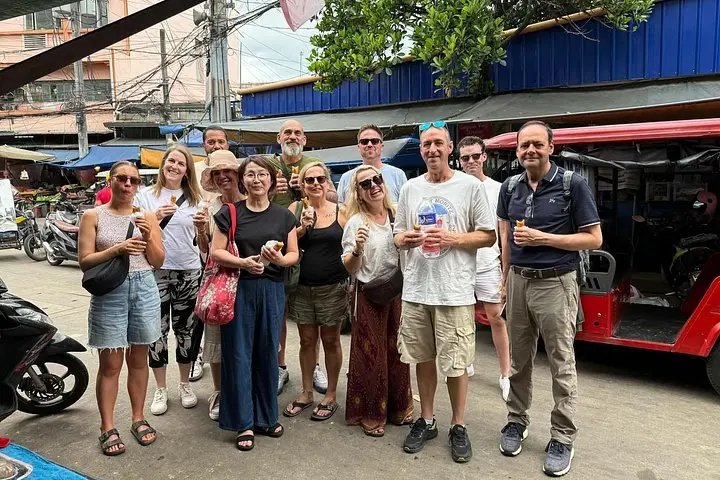

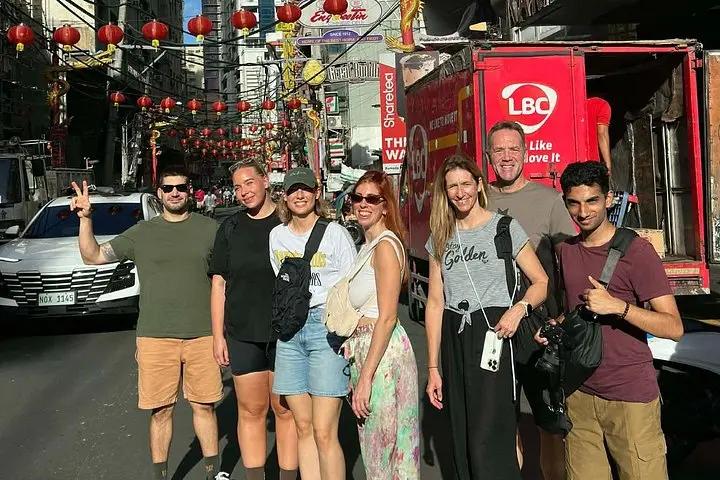
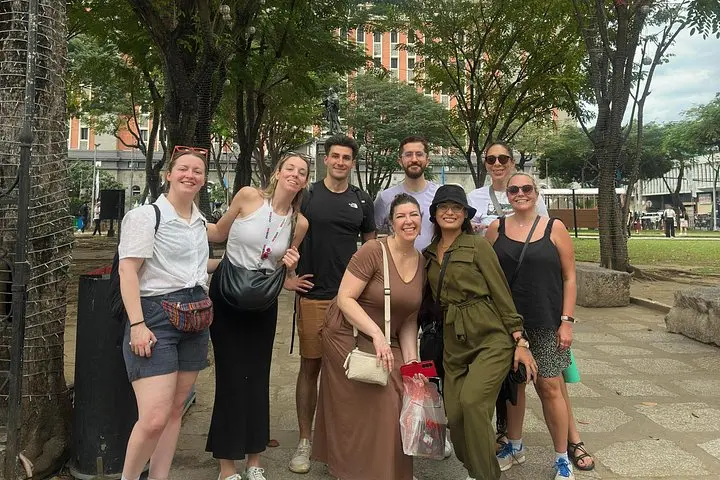
Morning light slices between low Spanish-era walls as a guide leads a small group through narrow lanes and market stalls, the city’s layered history audible in vendors’ calls and church bells. The tour moves from the raw energy of Tondo’s market alleys to the peppered aromas of Binondo’s Ongpin Street and finally into Intramuros’ quiet, stone-lined courtyards.
Morning light slices between low Spanish-era walls as a guide leads a small group through narrow lanes and market stalls, the city’s layered history audible in vendors’ calls and church bells. The tour moves from the raw energy of Tondo’s market alleys to the peppered aromas of Binondo’s Ongpin Street and finally into Intramuros’ quiet, stone-lined courtyards.
Tondo’s roots predate colonization and still show in its dense street life; Binondo, founded in 1594, is the world’s oldest Chinatown and a living record of Filipino-Chinese exchange. Intramuros, the Spanish walled city rebuilt after wartime damage, showcases masonry, forts, and the Manila Cathedral—places that map colonial trade, resistance, and urban growth.
Geology is subtle here: reclaimed riverbanks and alluvial plains shape Manila’s flat grid and frequent flooding; the landscape is urban, not alpine, so the experience is defined by architecture and people rather than elevation. Cultural highlights include street food stalls, ancestral shopfronts, and Fort Santiago’s plaza, where history is tangible in plaques and ramparts.
Practical guidance: wear sturdy walking shoes and sun protection, bring a filled water bottle, and leave bulky bags at your hotel—the tour covers crowded alleys and cobblestones. Plan for three hours; local guides move at a steady pace with frequent stops for photos and tasting. Morning departures avoid the worst heat and the late-afternoon traffic. Respect religious sites, ask before photographing people, and carry small change for market purchases.