THE ADVENTURE COLLECTIVE® · Independent discovery and booking for outdoor travel

Take a two-hour horse-drawn carriage tour through Intramuros and move through Manila’s Spanish-era core at a gentle pace. Visit Fort Santiago, Manila Cathedral, San Agustin Church, and Casa Manila while learning local history and practical tips for a comfortable ride.
Take a two-hour horse-drawn carriage tour through Intramuros and move through Manila’s Spanish-era core at a gentle pace. Visit Fort Santiago, Manila Cathedral, San Agustin Church, and Casa Manila while learning local history and practical tips for a comfortable ride.
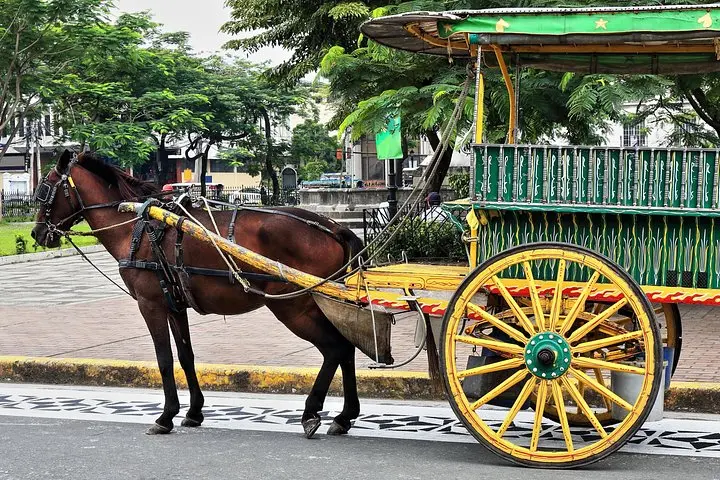
The clip-clop of hooves slows the city’s rush as you enter Intramuros — a compact walled district where thick stone walls push back modern traffic and the carriage becomes a time machine.
Verified experiences and guided adventures in the surrounding area.
Operated by ATR TRAVEL AND RENT A CAR · Manila, Metro Manila
The clip-clop of hooves slows the city’s rush as you enter Intramuros — a compact walled district where thick stone walls push back modern traffic and the carriage becomes a time machine.
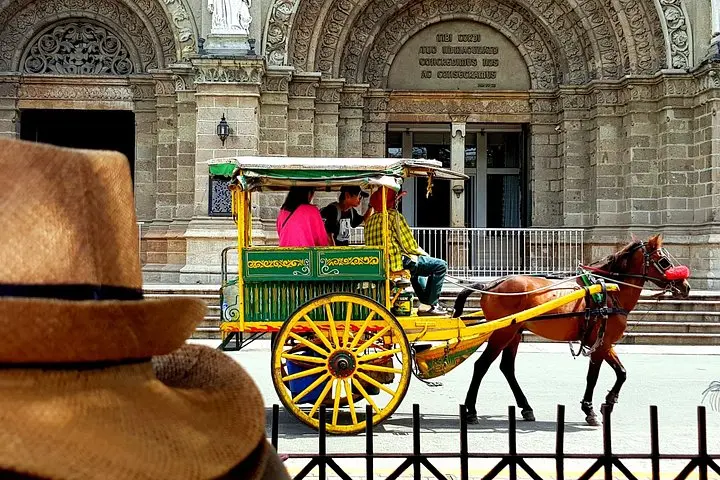
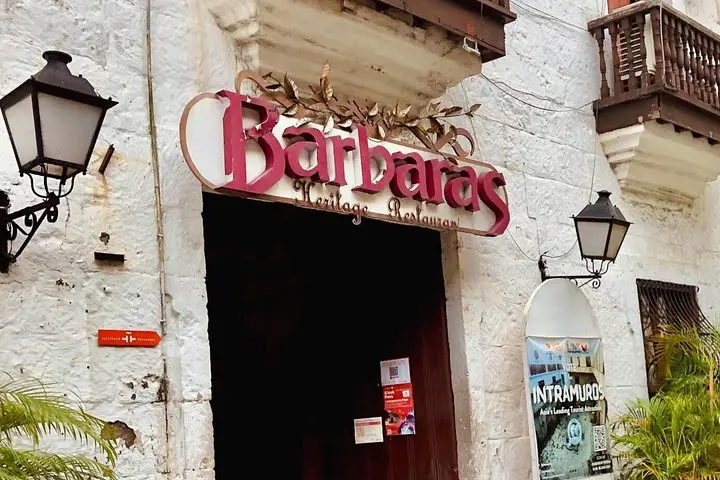
Your two-hour kalesa ride sketches a loop past Fort Santiago’s moss-streaked ramparts, the broad plaza where the Manila Cathedral raises its repaired façade, and the baroque silhouette of San Agustin Church. The carriage follows cobblestone lanes; guides point out carved wooden balconies, courtyards and the reconstructed Casa Manila, tying visible architecture to colonial governance, World War II destruction, and postwar restoration.
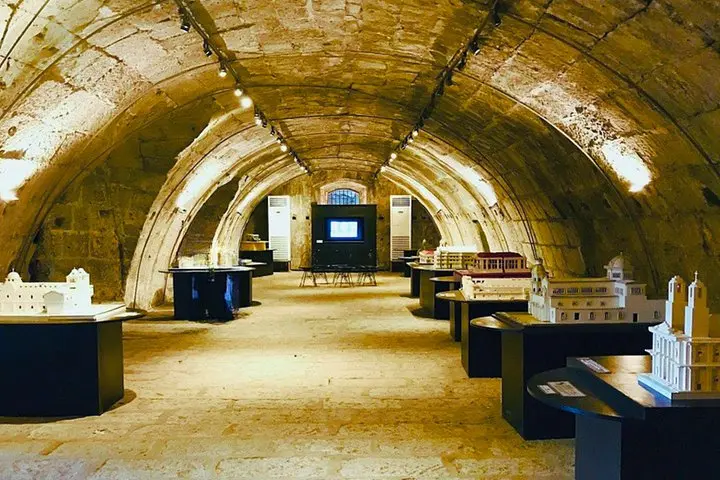
Intramuros dates to the late 16th century as the Spanish colonial center; its fortifications were repeatedly rebuilt after earthquakes and wartime damage. Geology matters here — you’ll notice adobe and coral-stone blocks quarried and laid into defensive bastions, and the Pasig River’s tidal rhythm which shaped trade routes for centuries. Local culture remains tactile: vendors selling snacks, brass bell towers sounding prayers, and small museums preserving archives of the nation’s past.
For practical planning: pick a morning slot to avoid midday heat and busy streets, carry cash for entrance fees and tips, and wear flat shoes for short walks at stops. The kalesa offers a relaxed pace, but be ready for uneven cobbles and brief climbs through gates. Respect the horses — avoid sudden noises, and follow your guide’s seating instructions. This ride is as much a living-history lesson as a photo loop; bring curiosity and basic sun protection to make the most of Old Manila’s slow, storied heartbeat.
The tour runs about two hours and includes vehicle time plus short walking stops at key sites like Fort Santiago and Casa Manila.
Entrance to Fort Santiago and Casa Manila is included as noted; have cash ready for any additional museums or purchases.
Yes — the activity is low-impact and suitable for most ages, though those with spinal issues or pregnancy are advised not to join.
Yes — photos are welcome, but be mindful of other guests and follow your guide’s instructions when the carriage is stopped.
ATR TRAVEL AND RENT A CAR operates guided outdoor trips and adventures with an emphasis on safety, stewardship, and memorable experiences.
The clip-clop of hooves slows the city’s rush as you enter Intramuros — a compact walled district where thick stone walls push back modern traffic and the carriage becomes a time machine.
The clip-clop of hooves slows the city’s rush as you enter Intramuros — a compact walled district where thick stone walls push back modern traffic and the carriage becomes a time machine.
Your two-hour kalesa ride sketches a loop past Fort Santiago’s moss-streaked ramparts, the broad plaza where the Manila Cathedral raises its repaired façade, and the baroque silhouette of San Agustin Church. The carriage follows cobblestone lanes; guides point out carved wooden balconies, courtyards and the reconstructed Casa Manila, tying visible architecture to colonial governance, World War II destruction, and postwar restoration.
Intramuros dates to the late 16th century as the Spanish colonial center; its fortifications were repeatedly rebuilt after earthquakes and wartime damage. Geology matters here — you’ll notice adobe and coral-stone blocks quarried and laid into defensive bastions, and the Pasig River’s tidal rhythm which shaped trade routes for centuries. Local culture remains tactile: vendors selling snacks, brass bell towers sounding prayers, and small museums preserving archives of the nation’s past.
For practical planning: pick a morning slot to avoid midday heat and busy streets, carry cash for entrance fees and tips, and wear flat shoes for short walks at stops. The kalesa offers a relaxed pace, but be ready for uneven cobbles and brief climbs through gates. Respect the horses — avoid sudden noises, and follow your guide’s seating instructions. This ride is as much a living-history lesson as a photo loop; bring curiosity and basic sun protection to make the most of Old Manila’s slow, storied heartbeat.