THE ADVENTURE COLLECTIVE® · Independent discovery and booking for outdoor travel

Experience your first breath underwater off the coast of the Montgrí Natural Park. This guided beginner dive delivers a safe, short immersion among rocky reefs and rich Mediterranean life—perfect for curious first-timers.
Experience your first breath underwater off the coast of the Montgrí Natural Park. This guided beginner dive delivers a safe, short immersion among rocky reefs and rich Mediterranean life—perfect for curious first-timers.
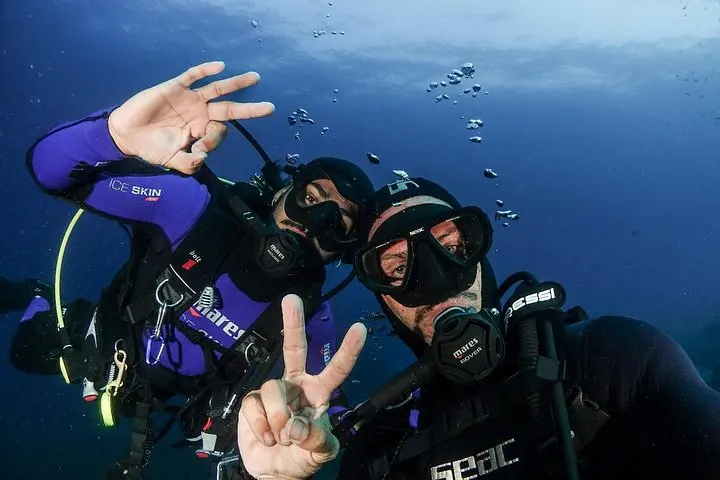
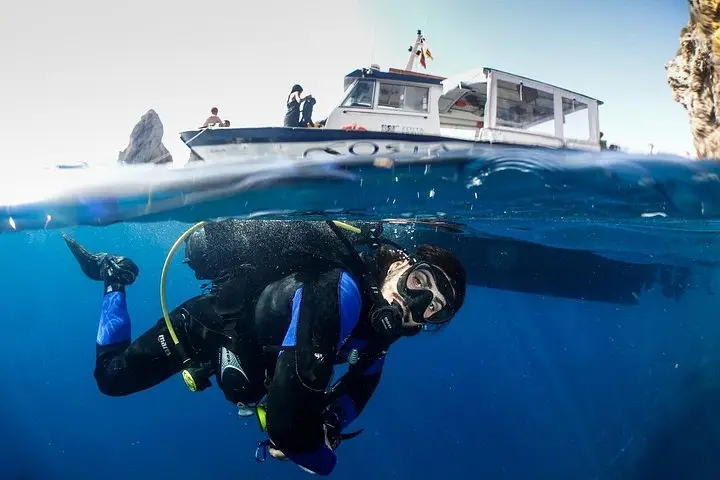
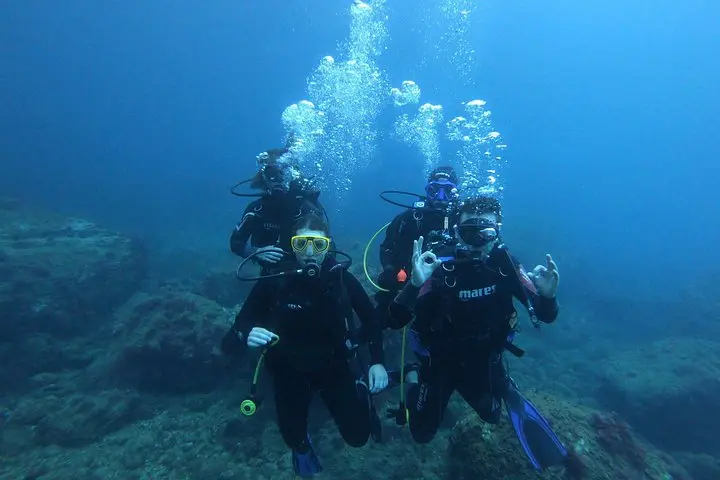
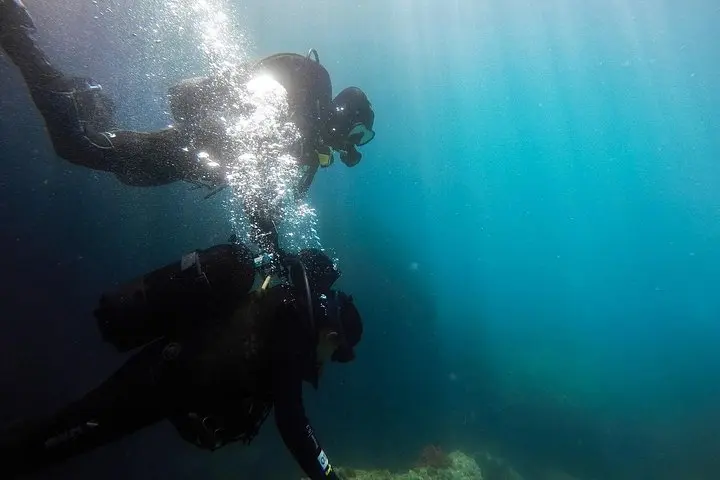
You stand on a sun-warmed dock at L'Estartit, wind combing the cape, the sea folding and unfolding like a living map. A local instructor runs through gear with quiet efficiency: regulator, buoyancy, hand signals. When you slip beneath the surface the Med resists then accepts you, water pressing a new rhythm into your chest as the seabed comes into focus.
Verified experiences and guided adventures in the surrounding area.
Operated by Medaqua · L'Estartit, Girona
You stand on a sun-warmed dock at L'Estartit, wind combing the cape, the sea folding and unfolding like a living map. A local instructor runs through gear with quiet efficiency: regulator, buoyancy, hand signals. When you slip beneath the surface the Med resists then accepts you, water pressing a new rhythm into your chest as the seabed comes into focus.
The Montgrí massif and nearby Medes Islands form a coastline shaped by limestone ridges and Pliocene cliffs; currents have carved caves and rocky reefs that host gorgonians, groupers and carpets of Posidonia. The area has a fishing and seafaring culture going back centuries; conservation measures in recent decades protect marine life and limit destructive extraction around the islands.
Expect a short classroom briefing followed by a shallow guided dive to about 7–10 meters, typically with one instructor per participant. Visibility varies seasonally—often clearest in summer—and immersion time is usually around 20 minutes, enough to meet the heavy, curious wrasses that patrol the rocks.
Practical guidance: bring a towel, a thermal layer for post-dive wind, and a waterproof ID. If you have respiratory, cardiac, or ear conditions you must carry a medical certificate; pregnant people and those with a history of pneumothorax cannot dive. Arrive early to sort paperwork and ask about sea conditions; calmer mornings deliver the best visibility. If you enjoy the baptism, the next step is an Open Water Diver course—operators here commonly discount training for baptism participants.
This experience balances calm introduction and real marine encounter—ideal for first-time divers who want a safe, intimate swim with the Mediterranean’s coastal life.
Participants are typically accepted from 10 years old, though operators may require parental consent for minors.
No—this is an introductory baptism dive guided one-to-one by an instructor; it’s designed for people without previous scuba certification.
The guided immersion is usually 7–10 meters deep and about 20 minutes underwater, with total activity time around 2–2.5 hours including briefing and surface intervals.
People with asthma, epilepsy, lung or heart disease, diabetes, vascular conditions, or perforated eardrums must present a medical certificate; pregnant people and those with past pneumothorax cannot dive.
Medaqua operates guided outdoor trips and adventures with an emphasis on safety, stewardship, and memorable experiences.
You stand on a sun-warmed dock at L'Estartit, wind combing the cape, the sea folding and unfolding like a living map. A local instructor runs through gear with quiet efficiency: regulator, buoyancy, hand signals. When you slip beneath the surface the Med resists then accepts you, water pressing a new rhythm into your chest as the seabed comes into focus.
You stand on a sun-warmed dock at L'Estartit, wind combing the cape, the sea folding and unfolding like a living map. A local instructor runs through gear with quiet efficiency: regulator, buoyancy, hand signals. When you slip beneath the surface the Med resists then accepts you, water pressing a new rhythm into your chest as the seabed comes into focus.
The Montgrí massif and nearby Medes Islands form a coastline shaped by limestone ridges and Pliocene cliffs; currents have carved caves and rocky reefs that host gorgonians, groupers and carpets of Posidonia. The area has a fishing and seafaring culture going back centuries; conservation measures in recent decades protect marine life and limit destructive extraction around the islands.
Expect a short classroom briefing followed by a shallow guided dive to about 7–10 meters, typically with one instructor per participant. Visibility varies seasonally—often clearest in summer—and immersion time is usually around 20 minutes, enough to meet the heavy, curious wrasses that patrol the rocks.
Practical guidance: bring a towel, a thermal layer for post-dive wind, and a waterproof ID. If you have respiratory, cardiac, or ear conditions you must carry a medical certificate; pregnant people and those with a history of pneumothorax cannot dive. Arrive early to sort paperwork and ask about sea conditions; calmer mornings deliver the best visibility. If you enjoy the baptism, the next step is an Open Water Diver course—operators here commonly discount training for baptism participants.
This experience balances calm introduction and real marine encounter—ideal for first-time divers who want a safe, intimate swim with the Mediterranean’s coastal life.