THE ADVENTURE COLLECTIVE® · Independent discovery and booking for outdoor travel

Spend a full day learning outdoor rock-climbing fundamentals on the sandstone and conglomerate faces of the Delaware Water Gap. This guided beginner course covers knots, belaying, movement and safety with all essential gear provided.
Spend a full day learning outdoor rock-climbing fundamentals on the sandstone and conglomerate faces of the Delaware Water Gap. This guided beginner course covers knots, belaying, movement and safety with all essential gear provided.
The day begins with granite-rough hands and the river’s voice below the cliff, a bluff that draws beginner climbers to the Delaware Water Gap. Participants gather at a roadside pullout where guides unpack ropes and the slope leans out over the Delaware River; the rock smells faintly of earth and sun. Coaches walk students through knots while the gap’s wind seems to test each practiced hitch.
Verified experiences and guided adventures in the surrounding area.
Operated by Stay Rad Climbing Guides · Delaware Water Gap, Pennsylvania
The day begins with granite-rough hands and the river’s voice below the cliff, a bluff that draws beginner climbers to the Delaware Water Gap. Participants gather at a roadside pullout where guides unpack ropes and the slope leans out over the Delaware River; the rock smells faintly of earth and sun. Coaches walk students through knots while the gap’s wind seems to test each practiced hitch.
The cliffs here are part of the long Appalachian chain—folded and exposed by ancient tectonic forces—where sandstone, shale and conglomerate create cracks, ledges and positive holds ideal for learning. The area has long been travel and trade corridor: Lenape peoples knew these bends and later canal and rail routes followed the river. Today the Gap is a recreational hinge, offering climbing routes that are accessible yet rooted in regional geology and outdoor culture.
Expect a full-day, hands-on primer: belaying, basic movement, anchor building, rope management and route-reading. Guides supply harnesses, helmets and climbing shoes; participants practice on moderate sport and trad-friendly faces under close supervision. Plan for uneven approach terrain, intermittent sun exposure and cool river breezes. Hydrate, layer, and arrive with shoes that can handle muddy approaches. The course is designed for people with moderate fitness and no prior outdoor-climbing experience; it’s practical, confidence-building and safety-focused. Finish the day with a short debrief and a checklist of next steps for progressing outdoors—more time on lead work, multi-pitch basics, or joining a climbing wall-to-crag transition clinic.
No—this introductory course is designed for new outdoor climbers and gym climbers transitioning to rock; instructors teach knots, belaying and basic movement.
Yes—the trip supplies a harness, helmet and climbing shoes; bring your own approach shoes and layers for the hike in.
Participants should have moderate fitness and be able to hike short steep approaches; check with the operator for specific age limits or youth policies.
The operator may cancel for heavy rain, lightning, or unsafe conditions; cancel at least 24 hours prior for a full refund per the booking policy.
Stay Rad Climbing Guides operates guided outdoor trips and adventures with an emphasis on safety, stewardship, and memorable experiences.
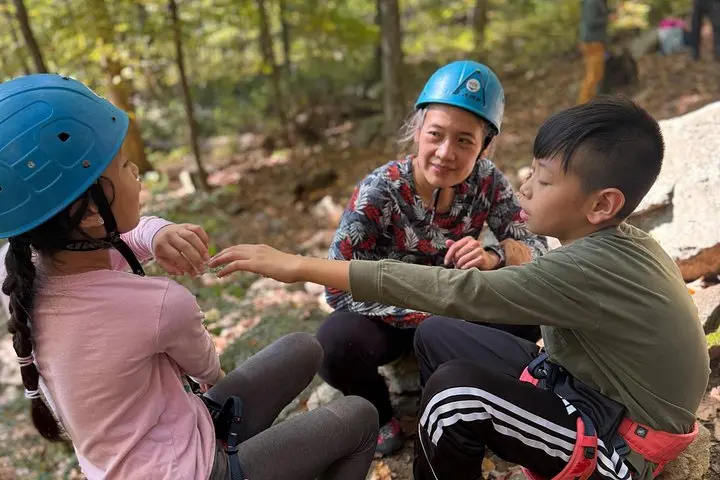
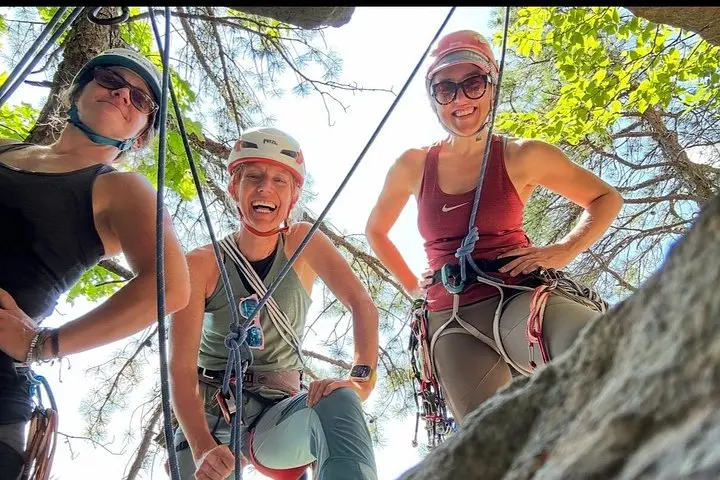
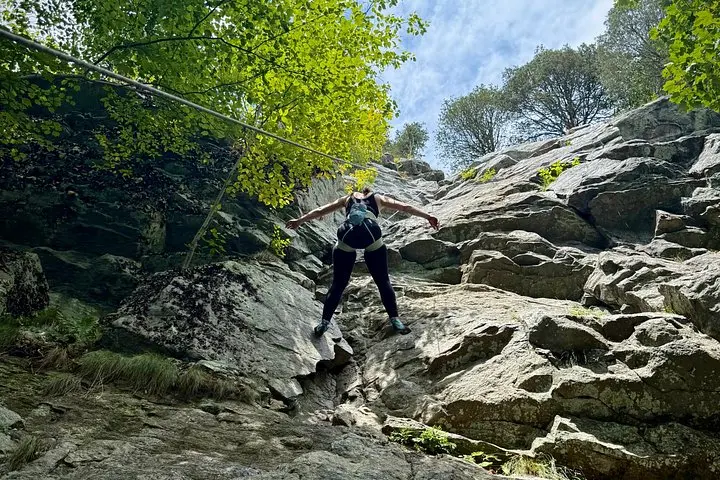
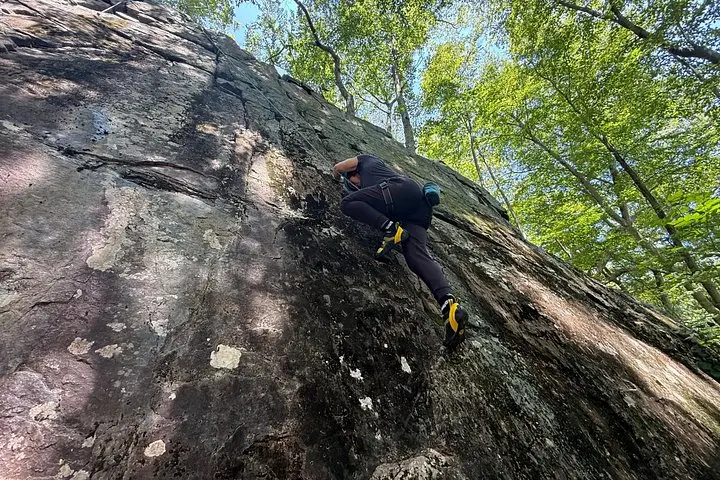
The day begins with granite-rough hands and the river’s voice below the cliff, a bluff that draws beginner climbers to the Delaware Water Gap. Participants gather at a roadside pullout where guides unpack ropes and the slope leans out over the Delaware River; the rock smells faintly of earth and sun. Coaches walk students through knots while the gap’s wind seems to test each practiced hitch.
The day begins with granite-rough hands and the river’s voice below the cliff, a bluff that draws beginner climbers to the Delaware Water Gap. Participants gather at a roadside pullout where guides unpack ropes and the slope leans out over the Delaware River; the rock smells faintly of earth and sun. Coaches walk students through knots while the gap’s wind seems to test each practiced hitch.
The cliffs here are part of the long Appalachian chain—folded and exposed by ancient tectonic forces—where sandstone, shale and conglomerate create cracks, ledges and positive holds ideal for learning. The area has long been travel and trade corridor: Lenape peoples knew these bends and later canal and rail routes followed the river. Today the Gap is a recreational hinge, offering climbing routes that are accessible yet rooted in regional geology and outdoor culture.
Expect a full-day, hands-on primer: belaying, basic movement, anchor building, rope management and route-reading. Guides supply harnesses, helmets and climbing shoes; participants practice on moderate sport and trad-friendly faces under close supervision. Plan for uneven approach terrain, intermittent sun exposure and cool river breezes. Hydrate, layer, and arrive with shoes that can handle muddy approaches. The course is designed for people with moderate fitness and no prior outdoor-climbing experience; it’s practical, confidence-building and safety-focused. Finish the day with a short debrief and a checklist of next steps for progressing outdoors—more time on lead work, multi-pitch basics, or joining a climbing wall-to-crag transition clinic.