THE ADVENTURE COLLECTIVE® · Independent discovery and booking for outdoor travel

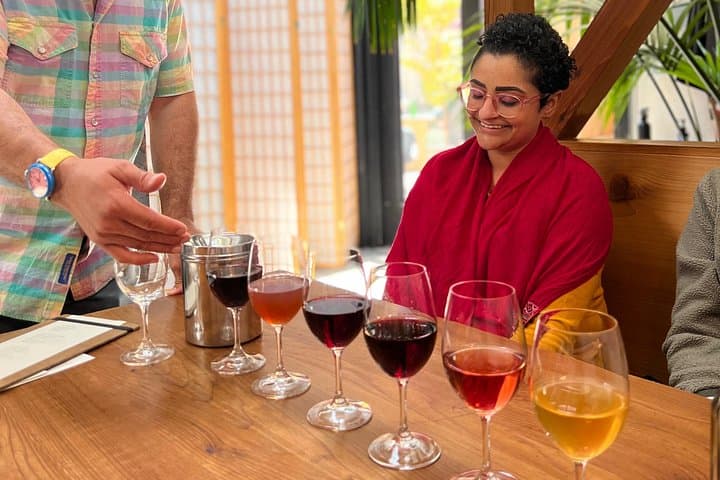
Learn professional tasting technique and discover boutique Napa producers on a three-hour tasting tour in St. Helena. Visit two tasting rooms, compare full flights, and come away able to discuss wine like a sommelier.
Learn professional tasting technique and discover boutique Napa producers on a three-hour tasting tour in St. Helena. Visit two tasting rooms, compare full flights, and come away able to discuss wine like a sommelier.
Stand under the large oak by the squirrel statue on 1st Street and the valley settles into place: vine rows step down the hills, oak-studded ridgelines frame the light, and the scent of crushed grape skins lingers in the air.
Verified experiences and guided adventures in the surrounding area.
Operated by Bacchus Loves the Hills · St. Helena, California
Stand under the large oak by the squirrel statue on 1st Street and the valley settles into place: vine rows step down the hills, oak-studded ridgelines frame the light, and the scent of crushed grape skins lingers in the air.
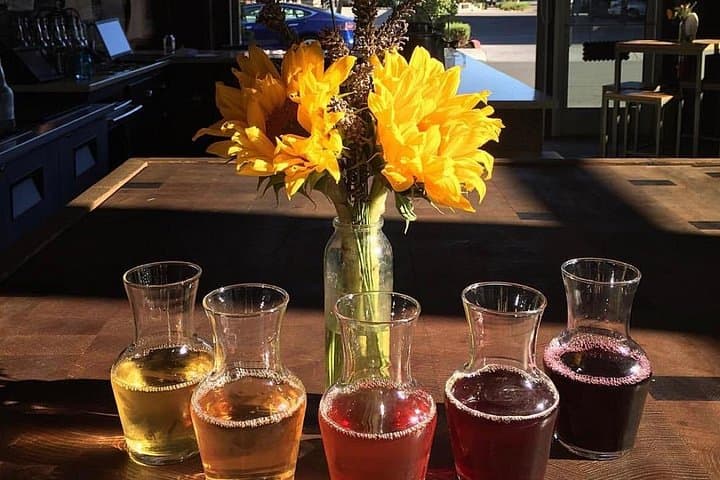
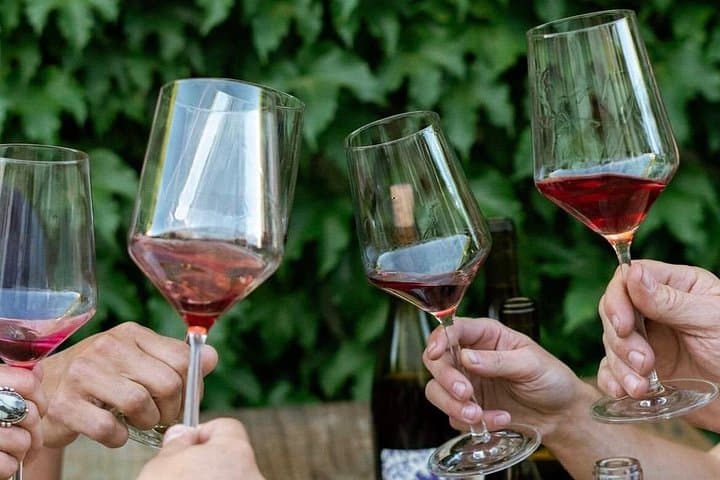
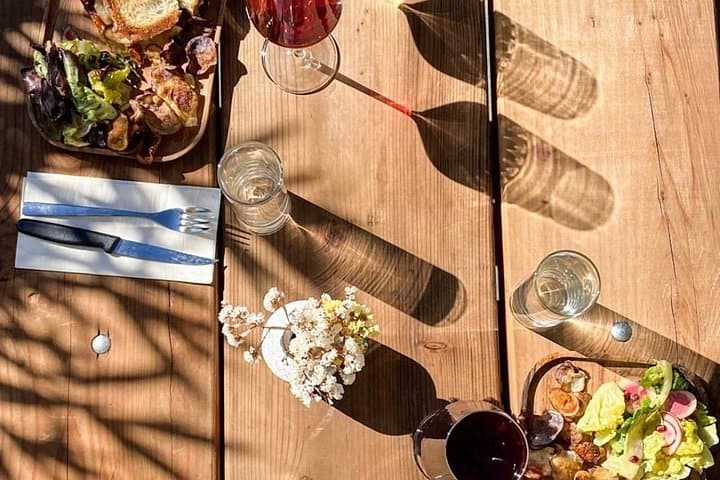
This three-hour introduction with a Napa sommelière moves beyond buzzwords. Guests visit two tasting rooms or restaurants to compare full flights—often featuring small, artisan producers alongside international bottles—while learning professional tasting methodology, food pairing basics, and the differences between organic and biodynamic farming. Napa Valley’s modern identity grew from 19th-century plantings, rebounded after Prohibition, and was reshaped by the 1976 Judgment of Paris; today the region balances legacy estates with micro-producers who prioritize place over scale.
Geology matters here: soils shift from alluvial valley loam to volcanic and sedimentary pockets on the hillsides, giving nearby vineyards distinct profiles. The culture is a pragmatic blend of family wineries, tasting-room hospitality, and restaurant-driven service.
Practical guidance: arrive with government ID and a light jacket—tasting rooms can be cool. Pace yourself; expect guided spitting and small pours to keep you fresh through two full flights. One tasting fee may be covered by guests to reduce booking service charges, so bring payment and ask before arrival. Tours are capped at six people for an intimate setting and require a minimum of two. Ask the host about production practices and vintages; sommeliers here are happy to explain vinification choices and cellar history.
Leave with notes, a clearer tasting vocabulary, and a sense of which small producers deserve a repeat visit.
The itinerary includes a full flight at each stop, but one tasting-room fee is commonly the guest’s responsibility—confirm when you book.
Tours are limited to six guests with a minimum of two participants for confirmation.
Yes—meeting and tasting areas are described as wheelchair accessible; contact the operator with specific accessibility needs.
All sales are final. The operator may cancel for weather or insufficient travelers, but bookings are nonrefundable.
Bacchus Loves the Hills operates guided outdoor trips and adventures with an emphasis on safety, stewardship, and memorable experiences.
Stand under the large oak by the squirrel statue on 1st Street and the valley settles into place: vine rows step down the hills, oak-studded ridgelines frame the light, and the scent of crushed grape skins lingers in the air.
Stand under the large oak by the squirrel statue on 1st Street and the valley settles into place: vine rows step down the hills, oak-studded ridgelines frame the light, and the scent of crushed grape skins lingers in the air.
This three-hour introduction with a Napa sommelière moves beyond buzzwords. Guests visit two tasting rooms or restaurants to compare full flights—often featuring small, artisan producers alongside international bottles—while learning professional tasting methodology, food pairing basics, and the differences between organic and biodynamic farming. Napa Valley’s modern identity grew from 19th-century plantings, rebounded after Prohibition, and was reshaped by the 1976 Judgment of Paris; today the region balances legacy estates with micro-producers who prioritize place over scale.
Geology matters here: soils shift from alluvial valley loam to volcanic and sedimentary pockets on the hillsides, giving nearby vineyards distinct profiles. The culture is a pragmatic blend of family wineries, tasting-room hospitality, and restaurant-driven service.
Practical guidance: arrive with government ID and a light jacket—tasting rooms can be cool. Pace yourself; expect guided spitting and small pours to keep you fresh through two full flights. One tasting fee may be covered by guests to reduce booking service charges, so bring payment and ask before arrival. Tours are capped at six people for an intimate setting and require a minimum of two. Ask the host about production practices and vintages; sommeliers here are happy to explain vinification choices and cellar history.
Leave with notes, a clearer tasting vocabulary, and a sense of which small producers deserve a repeat visit.