THE ADVENTURE COLLECTIVE® · Independent discovery and booking for outdoor travel

Walk the River Ness and learn how Inverness grew from a riverside outpost to the Highland capital. This 90‑minute guided stroll mixes history, architecture and local stories with accessible, flat paths.
Walk the River Ness and learn how Inverness grew from a riverside outpost to the Highland capital. This 90‑minute guided stroll mixes history, architecture and local stories with accessible, flat paths.
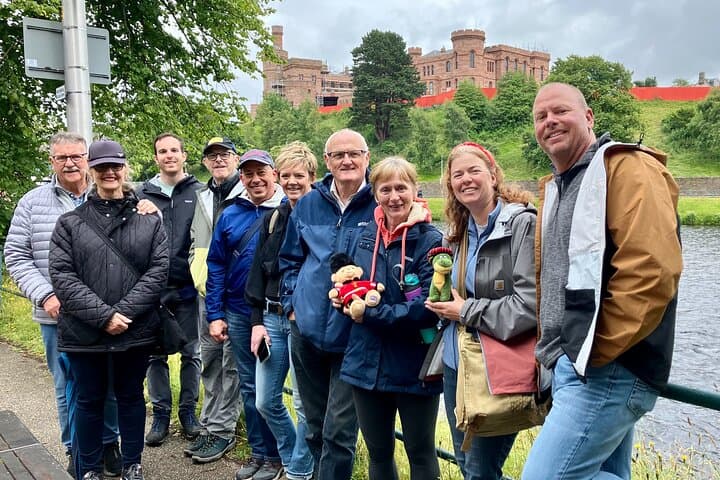
You step off the pavement and the River Ness meets you first — a cold, fast ribbon of water that seems to tug the city inward, pushing its bridges, churches and civic buildings into neat alignment along the banks.
Verified experiences and guided adventures in the surrounding area.
Operated by Walking Tours in Inverness · Inverness, Highland
You step off the pavement and the River Ness meets you first — a cold, fast ribbon of water that seems to tug the city inward, pushing its bridges, churches and civic buildings into neat alignment along the banks.
This 90‑minute city stroll traces Inverness's evolution from a Norse-influenced riverside settlement into the capital of the Highlands. The guide points out the red sandstone of Inverness Castle’s exterior and explains how the town sits on the Great Glen fault line, carved by glacial melt that fed the river and Loch Ness. Eden Court and the Old High Church speak to the city’s 19th‑century civic ambition; the cathedral’s spire marks a quieter, ecclesiastical counterpoint.
Culturally, Inverness balances tourism with local life — fishers, commuters and students all share the banks — and the River Ness pulls local lore along with it: salmon runs in season and, of course, the jokes about the monster on the way to Loch Ness.
Practically, expect an easy, mostly flat route on paved quays and cobbles with frequent stops for stories and photos. Groups are small and family‑friendly; cathedral entry depends on event schedules. Wear comfortable shoes and a windproof layer: Highland weather shifts quickly, and the river amplifies the breeze. Best times are late morning or early evening light for reflections on the Ness and quieter streets.
This tour is a compact, hands‑on primer on Inverness — short enough to fit between train times, but rich in context that helps you read the city rather than just see it.
The tour lasts about 90 minutes and covers roughly 1.5–2 kilometres on mostly flat, paved paths and cobbles.
Visits are primarily exterior; the cathedral may be entered depending on local events, while the castle is viewed from outside.
Yes — the route is family-friendly, stroller and wheelchair accessible on paved bank-side areas, but check access to specific interiors in advance.
Bookings typically allow a full refund if cancelled at least 24 hours before the start time; confirm the operator’s policy when you book.
Walking Tours in Inverness operates guided outdoor trips and adventures with an emphasis on safety, stewardship, and memorable experiences.

You step off the pavement and the River Ness meets you first — a cold, fast ribbon of water that seems to tug the city inward, pushing its bridges, churches and civic buildings into neat alignment along the banks.
You step off the pavement and the River Ness meets you first — a cold, fast ribbon of water that seems to tug the city inward, pushing its bridges, churches and civic buildings into neat alignment along the banks.
This 90‑minute city stroll traces Inverness's evolution from a Norse-influenced riverside settlement into the capital of the Highlands. The guide points out the red sandstone of Inverness Castle’s exterior and explains how the town sits on the Great Glen fault line, carved by glacial melt that fed the river and Loch Ness. Eden Court and the Old High Church speak to the city’s 19th‑century civic ambition; the cathedral’s spire marks a quieter, ecclesiastical counterpoint.
Culturally, Inverness balances tourism with local life — fishers, commuters and students all share the banks — and the River Ness pulls local lore along with it: salmon runs in season and, of course, the jokes about the monster on the way to Loch Ness.
Practically, expect an easy, mostly flat route on paved quays and cobbles with frequent stops for stories and photos. Groups are small and family‑friendly; cathedral entry depends on event schedules. Wear comfortable shoes and a windproof layer: Highland weather shifts quickly, and the river amplifies the breeze. Best times are late morning or early evening light for reflections on the Ness and quieter streets.
This tour is a compact, hands‑on primer on Inverness — short enough to fit between train times, but rich in context that helps you read the city rather than just see it.