THE ADVENTURE COLLECTIVE® · Independent discovery and booking for outdoor travel

Walk Inwangsan’s sacred slopes with a guide and witness living Korean shamanic practices—hidden shrines, ritual objects, and a personal fortune session. This 2.5-hour small-group experience blends short urban hiking with deep cultural insight.
Walk Inwangsan’s sacred slopes with a guide and witness living Korean shamanic practices—hidden shrines, ritual objects, and a personal fortune session. This 2.5-hour small-group experience blends short urban hiking with deep cultural insight.
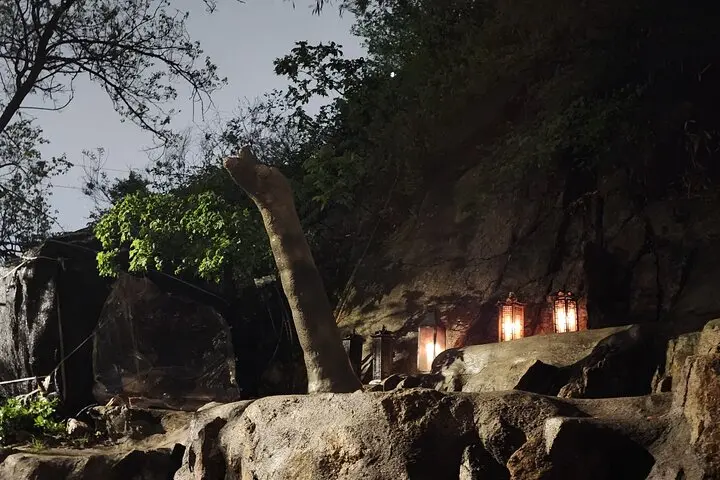
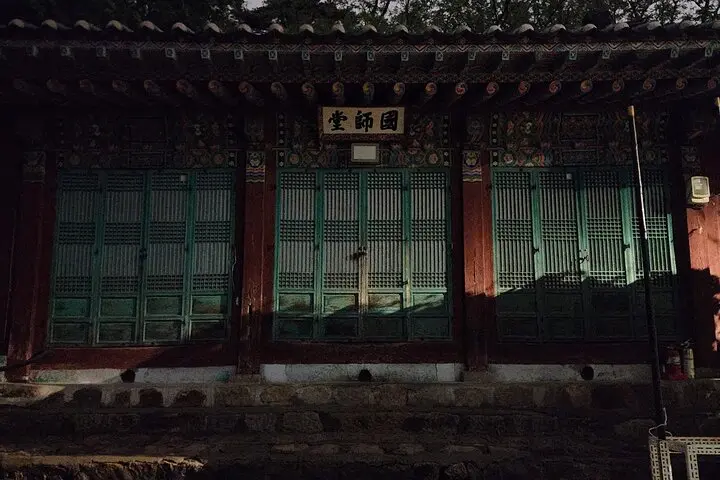
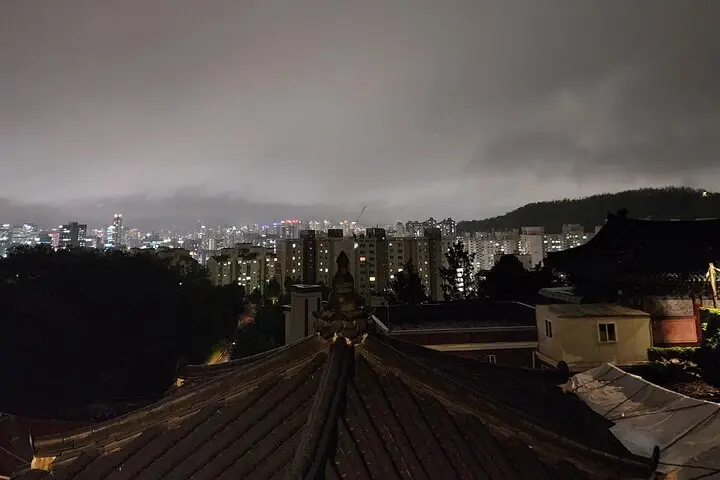
A cool wind pushes up the stone steps and the city below loosens into a grid of roofs and traffic lights. On Inwangsan’s lower flanks you move between rock outcrops and low pines, the mountain’s granite faces daring you to look closer. The guide pauses at a carved shrine and the hush shifts—candles, salt, and the low words of ritual frame a living practice rather than a museum exhibit.
Verified experiences and guided adventures in the surrounding area.
Operated by Mystical seoul tour · Seoul, Seoul
A cool wind pushes up the stone steps and the city below loosens into a grid of roofs and traffic lights. On Inwangsan’s lower flanks you move between rock outcrops and low pines, the mountain’s granite faces daring you to look closer. The guide pauses at a carved shrine and the hush shifts—candles, salt, and the low words of ritual frame a living practice rather than a museum exhibit.
Inwangsan sits on Seoul’s historic western ridge, its outcrops formed from Cretaceous granite that was later shaped by human hands into portions of the old fortress wall. The hill has hosted household deities, state shrines like Guksadang, and informal altars for centuries; Korean shamanism itself predates many modern institutions and survives alongside Confucian and Buddhist traditions.
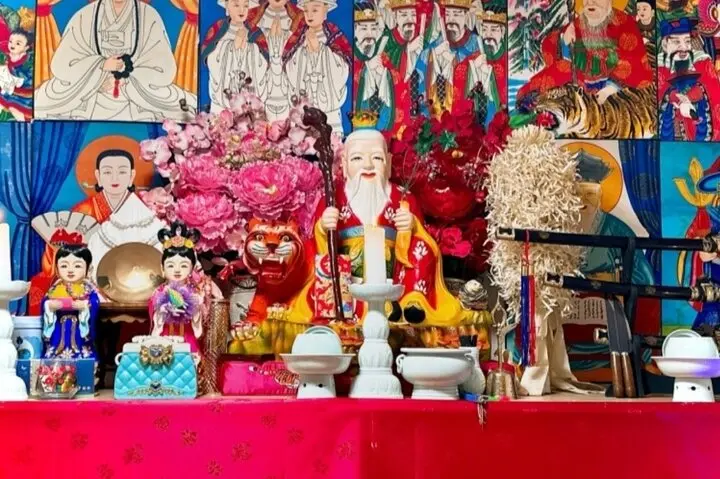
Expect a small-group walking tour of roughly 2.5 hours that blends folklore, ritual objects, and direct observation. You’ll visit hidden shrines, learn the meanings behind talismans, and meet a practicing shaman for an optional fortune reading. Photography is allowed in many spots but observe requests around active ceremonies.
Practical guide: wear sturdy walking shoes for uneven stone and short steep sections, carry water for the climb, and bring a light layer—wind can bite on exposed ridgelines. Respect offerings and avoid touching sacred implements unless invited. Tours often start near public transit; combine this visit with nearby Buam-dong cafes or the Seoul City Wall for a fuller half-day in northern Jongno. This is an urban hike that asks for curiosity and quiet attention—arrive prepared and you’ll leave with a clearer sense of Seoul’s unseen spiritual terrain.
The tour is about 2.5 hours with short uphill sections and uneven stone steps; it’s moderate but suitable for most walkers with basic fitness.
Yes—guides facilitate observation of living practices; some ceremonies include direct participation, but expect cultural protocols and occasional restrictions on photography.
Yes—the personal fortune reading is offered as cultural insight; you can decline or keep it brief if you prefer privacy.
The route includes stone steps and uneven terrain and is not recommended for those with serious spinal or cardiovascular conditions; public transit access is nearby.
Mystical seoul tour operates guided outdoor trips and adventures with an emphasis on safety, stewardship, and memorable experiences.
A cool wind pushes up the stone steps and the city below loosens into a grid of roofs and traffic lights. On Inwangsan’s lower flanks you move between rock outcrops and low pines, the mountain’s granite faces daring you to look closer. The guide pauses at a carved shrine and the hush shifts—candles, salt, and the low words of ritual frame a living practice rather than a museum exhibit.
A cool wind pushes up the stone steps and the city below loosens into a grid of roofs and traffic lights. On Inwangsan’s lower flanks you move between rock outcrops and low pines, the mountain’s granite faces daring you to look closer. The guide pauses at a carved shrine and the hush shifts—candles, salt, and the low words of ritual frame a living practice rather than a museum exhibit.
Inwangsan sits on Seoul’s historic western ridge, its outcrops formed from Cretaceous granite that was later shaped by human hands into portions of the old fortress wall. The hill has hosted household deities, state shrines like Guksadang, and informal altars for centuries; Korean shamanism itself predates many modern institutions and survives alongside Confucian and Buddhist traditions.
Expect a small-group walking tour of roughly 2.5 hours that blends folklore, ritual objects, and direct observation. You’ll visit hidden shrines, learn the meanings behind talismans, and meet a practicing shaman for an optional fortune reading. Photography is allowed in many spots but observe requests around active ceremonies.
Practical guide: wear sturdy walking shoes for uneven stone and short steep sections, carry water for the climb, and bring a light layer—wind can bite on exposed ridgelines. Respect offerings and avoid touching sacred implements unless invited. Tours often start near public transit; combine this visit with nearby Buam-dong cafes or the Seoul City Wall for a fuller half-day in northern Jongno. This is an urban hike that asks for curiosity and quiet attention—arrive prepared and you’ll leave with a clearer sense of Seoul’s unseen spiritual terrain.