THE ADVENTURE COLLECTIVE® · Independent discovery and booking for outdoor travel

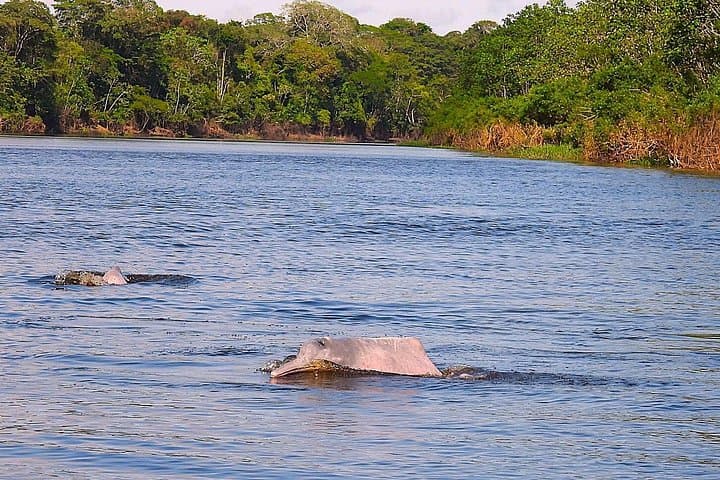
Three days of guided boat travel, jungle walks, and nocturnal wildlife viewing from a private Amazon lodge near Iquitos. Expect pink river dolphins, Hoatzin sightings, blackwater lagoons, and comfortable bungalows with expert naturalist guides.
Three days of guided boat travel, jungle walks, and nocturnal wildlife viewing from a private Amazon lodge near Iquitos. Expect pink river dolphins, Hoatzin sightings, blackwater lagoons, and comfortable bungalows with expert naturalist guides.
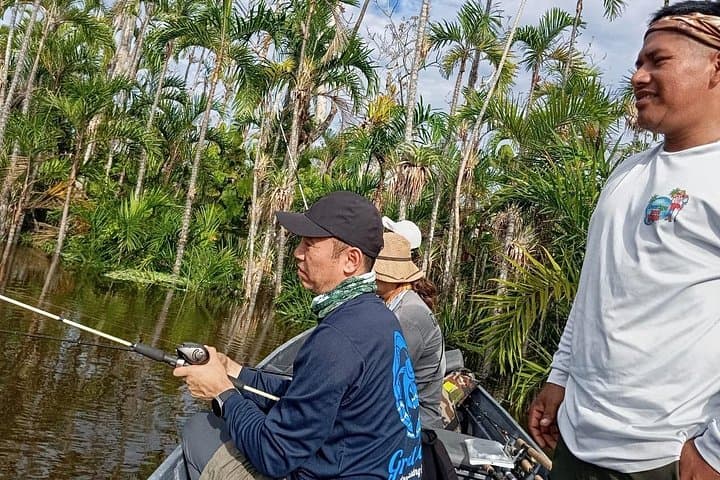
A humid dawn breaks over the Amazon as a slow boat slips away from Iquitos and the mangled skyline of river boats fades into green. The water pushes forward like a current of time; birds call overhead and the lodge’s private bungalows appear as simple islands of comfort in a wide, breathing jungle.
Verified experiences and guided adventures in the surrounding area.
Operated by Amazon Jungle Expeditions · Iquitos, Loreto
A humid dawn breaks over the Amazon as a slow boat slips away from Iquitos and the mangled skyline of river boats fades into green. The water pushes forward like a current of time; birds call overhead and the lodge’s private bungalows appear as simple islands of comfort in a wide, breathing jungle.
This compact, three-day expedition centers on the Yanayacu and Amazon rivers, blackwater lagoons, and primary lowland rainforest—land shaped by river sediment and seasonal floods rather than by sharp peaks. The Loreto region’s human history is river history: indigenous communities, rubber-era settlements, and modern Iquitos have long depended on these waterways for transport and trade. Naturalists here point out evolutionary oddities—like the Hoatzin, a bird whose digestive adaptations hint at ancient lineages—and geological processes that keep channels and oxbow lakes shifting over generations.
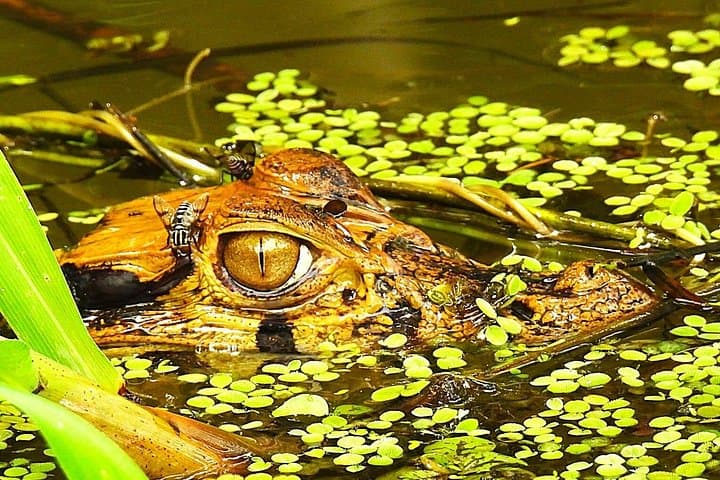
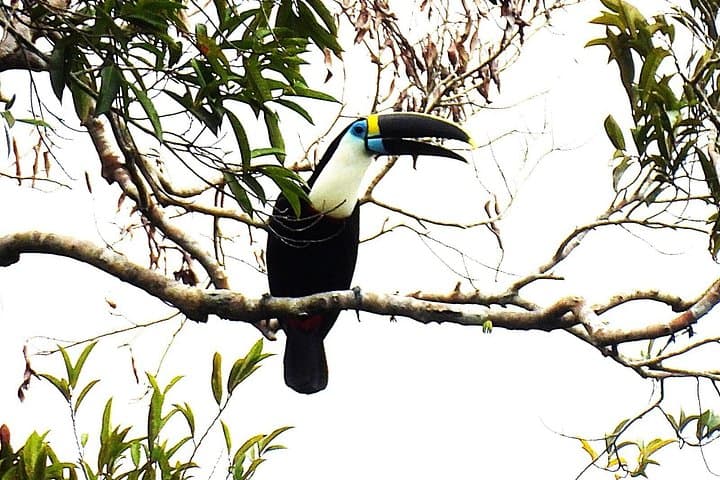
Guests should expect daily boat travel, guided jungle walks to spot monkeys and toucans, dawn and dusk birding, and night excursions to find caimans and frogs. The lodge provides meals and private bungalows, but the fieldwork remains real: uneven trails, humid heat, and mosquitoes are part of the rhythm.
Practical guidance: carry a lightweight rain shell and quick-dry clothing, a good pair of waterproof trekking shoes, high-SPF sunscreen, and EPA-approved insect repellent. Pace activities around cooler morning and late-afternoon windows for best wildlife viewing. Bring a small dry bag for electronics and a sense of patience—this is an environment that rewards quiet observation more than speed.
The lodge is accessed by a private boat from Iquitos after a short road transfer; operators provide airport or hotel pickup and coordinate boat times with your flight schedule.
Some itineraries offer supervised river swims near dolphin areas; follow your guide’s safety brief—currents and visibility vary by season.
No specific vaccinations are legally required for entry, but travelers commonly get yellow fever and updated routine vaccines; consult a travel clinic for malaria prophylaxis advice.
Accommodations are comfortable private bungalows with meals provided, but expect simple facilities appropriate to a riverside jungle lodge rather than luxury resort services.
Amazon Jungle Expeditions operates guided outdoor trips and adventures with an emphasis on safety, stewardship, and memorable experiences.
A humid dawn breaks over the Amazon as a slow boat slips away from Iquitos and the mangled skyline of river boats fades into green. The water pushes forward like a current of time; birds call overhead and the lodge’s private bungalows appear as simple islands of comfort in a wide, breathing jungle.
A humid dawn breaks over the Amazon as a slow boat slips away from Iquitos and the mangled skyline of river boats fades into green. The water pushes forward like a current of time; birds call overhead and the lodge’s private bungalows appear as simple islands of comfort in a wide, breathing jungle.
This compact, three-day expedition centers on the Yanayacu and Amazon rivers, blackwater lagoons, and primary lowland rainforest—land shaped by river sediment and seasonal floods rather than by sharp peaks. The Loreto region’s human history is river history: indigenous communities, rubber-era settlements, and modern Iquitos have long depended on these waterways for transport and trade. Naturalists here point out evolutionary oddities—like the Hoatzin, a bird whose digestive adaptations hint at ancient lineages—and geological processes that keep channels and oxbow lakes shifting over generations.
Guests should expect daily boat travel, guided jungle walks to spot monkeys and toucans, dawn and dusk birding, and night excursions to find caimans and frogs. The lodge provides meals and private bungalows, but the fieldwork remains real: uneven trails, humid heat, and mosquitoes are part of the rhythm.
Practical guidance: carry a lightweight rain shell and quick-dry clothing, a good pair of waterproof trekking shoes, high-SPF sunscreen, and EPA-approved insect repellent. Pace activities around cooler morning and late-afternoon windows for best wildlife viewing. Bring a small dry bag for electronics and a sense of patience—this is an environment that rewards quiet observation more than speed.