THE ADVENTURE COLLECTIVE® · Independent discovery and booking for outdoor travel

Spend three days from Iquitos exploring Amazon rivers, swimming with dolphins, trekking for monkeys and learning riverside life from a jungle lodge. Practical, guided excursions make this a compact introduction to lowland Amazon ecology and culture.
Spend three days from Iquitos exploring Amazon rivers, swimming with dolphins, trekking for monkeys and learning riverside life from a jungle lodge. Practical, guided excursions make this a compact introduction to lowland Amazon ecology and culture.
Dawn slices through a humid canopy as wooden skiffs cut silver across the Amazon; mist lifts off the river and the jungle throws its first calls your way. From a simple lodge tucked between the Nanay and Amazon, the river dares you into long mornings of birdwatching, late-afternoon dolphin chases and nights lit by lanterns and insects.
Verified experiences and guided adventures in the surrounding area.
Operated by Canopy Tours Iquitos · Iquitos, Loreto
Dawn slices through a humid canopy as wooden skiffs cut silver across the Amazon; mist lifts off the river and the jungle throws its first calls your way. From a simple lodge tucked between the Nanay and Amazon, the river dares you into long mornings of birdwatching, late-afternoon dolphin chases and nights lit by lanterns and insects.
This region bears visible marks of history: Iquitos grew on river trade and the rubber boom, its ports churning goods from tributaries that carve floodplain clay and form oxbow lakes (cochas) where wildlife concentrates. Geologically recent alluvial plains slope gently toward the main channel; culturally, riverside communities maintain subsistence fishing, traditional crafts and medicinal plant knowledge you’ll encounter at markets like Belén.
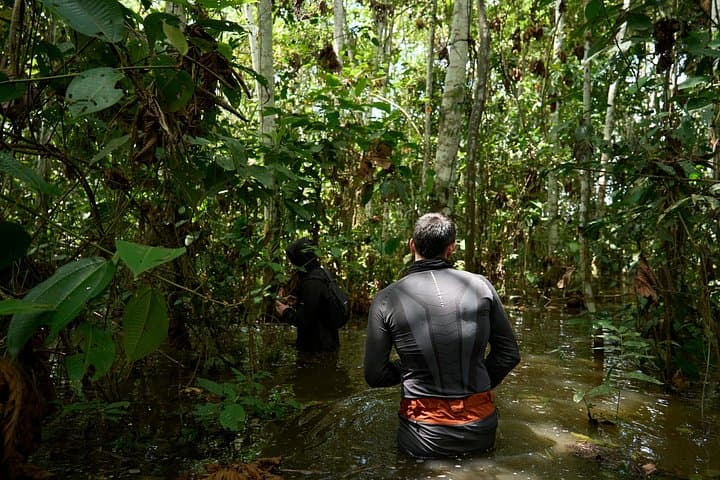
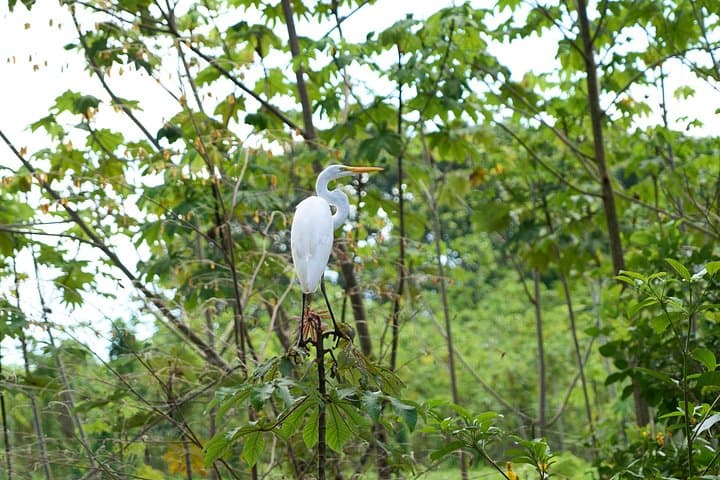
Expect guided botanical walks that point out useful plants, short jungle treks for monkeys and dawn birding, and river time focused on spotting gray and pink dolphins. Nights bring spotlighted wildlife excursions; mornings are for casting lines for piranhas or swimming where guides deem safe. Meals are Amazonian staples—rice, fish, plantain—and accommodations are basic but comfortable, designed for wet‑tropical rhythms.
Practical notes: pack quick-dry clothing, sturdy rubber boots (often provided), insect repellent, a rain shell and a reusable water bottle. Move deliberately on muddy trails, follow guide briefings on swimming and community visits, and schedule buffer time for river transport delays. The experience rewards easy curiosity: keep binoculars handy, learn a few words in Spanish or Quechua, and let the river’s current set your pace.
Yes—families with children can participate but infants should sit on laps and parents should follow guide safety rules during boat and river activities.
Sightings are common but not guaranteed—guides know local areas where dolphins frequent, especially near oxbow lakes and river confluences.
Consult a travel clinic—yellow fever vaccination is commonly recommended for Amazon travel; ensure routine immunizations and consider antimalarial advice based on current health guidance.
Hikes are generally short (30–90 minutes) over uneven, sometimes muddy terrain; participants should be steady on their feet but no technical hiking skills are required.
Canopy Tours Iquitos operates guided outdoor trips and adventures with an emphasis on safety, stewardship, and memorable experiences.


Dawn slices through a humid canopy as wooden skiffs cut silver across the Amazon; mist lifts off the river and the jungle throws its first calls your way. From a simple lodge tucked between the Nanay and Amazon, the river dares you into long mornings of birdwatching, late-afternoon dolphin chases and nights lit by lanterns and insects.
Dawn slices through a humid canopy as wooden skiffs cut silver across the Amazon; mist lifts off the river and the jungle throws its first calls your way. From a simple lodge tucked between the Nanay and Amazon, the river dares you into long mornings of birdwatching, late-afternoon dolphin chases and nights lit by lanterns and insects.
This region bears visible marks of history: Iquitos grew on river trade and the rubber boom, its ports churning goods from tributaries that carve floodplain clay and form oxbow lakes (cochas) where wildlife concentrates. Geologically recent alluvial plains slope gently toward the main channel; culturally, riverside communities maintain subsistence fishing, traditional crafts and medicinal plant knowledge you’ll encounter at markets like Belén.
Expect guided botanical walks that point out useful plants, short jungle treks for monkeys and dawn birding, and river time focused on spotting gray and pink dolphins. Nights bring spotlighted wildlife excursions; mornings are for casting lines for piranhas or swimming where guides deem safe. Meals are Amazonian staples—rice, fish, plantain—and accommodations are basic but comfortable, designed for wet‑tropical rhythms.
Practical notes: pack quick-dry clothing, sturdy rubber boots (often provided), insect repellent, a rain shell and a reusable water bottle. Move deliberately on muddy trails, follow guide briefings on swimming and community visits, and schedule buffer time for river transport delays. The experience rewards easy curiosity: keep binoculars handy, learn a few words in Spanish or Quechua, and let the river’s current set your pace.