THE ADVENTURE COLLECTIVE® · Independent discovery and booking for outdoor travel

Combine a walk through Iquitos’ lively Belén Market with a guided piranha fishing trip on the Amazon. Experience Rubber Boom history, traditional remedies, and a hands‑on river fishery in one half‑day tour.
Combine a walk through Iquitos’ lively Belén Market with a guided piranha fishing trip on the Amazon. Experience Rubber Boom history, traditional remedies, and a hands‑on river fishery in one half‑day tour.
You step off the tuk‑tuk onto the riverside boulevard and the Amazon announces itself: humid air, a chorus of distant calls, and the river pushing at the city’s edge like a living frontier. The guide leads you toward Belén Market where stalls spill over with bright fruits, jars of jungle medicines, and the steady commerce of a community that grew rich during the Rubber Boom and stayed resilient after the boom’s collapse.
Verified experiences and guided adventures in the surrounding area.
Operated by Ronsoco Guiding Iquitos · Iquitos, Loreto
You step off the tuk‑tuk onto the riverside boulevard and the Amazon announces itself: humid air, a chorus of distant calls, and the river pushing at the city’s edge like a living frontier. The guide leads you toward Belén Market where stalls spill over with bright fruits, jars of jungle medicines, and the steady commerce of a community that grew rich during the Rubber Boom and stayed resilient after the boom’s collapse.
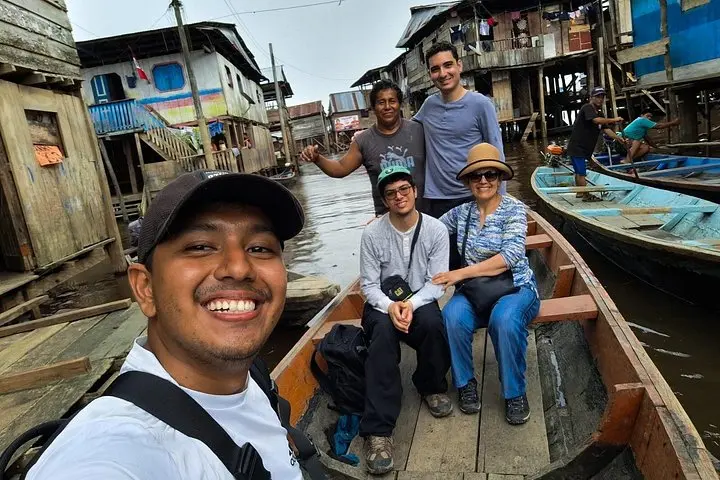
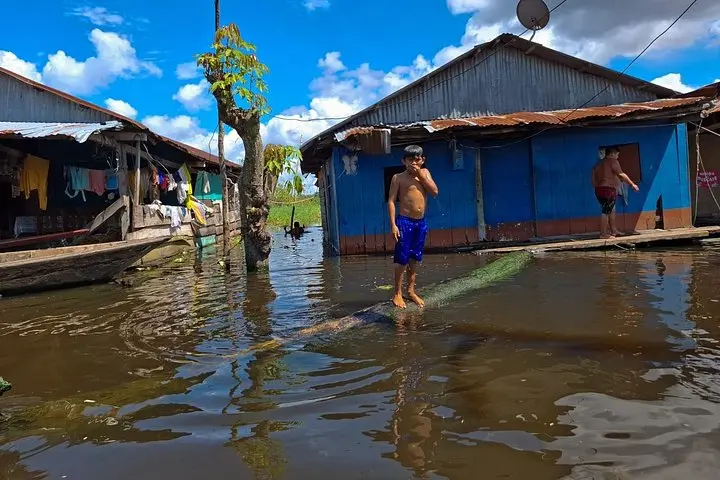
Iquitos sits on alluvial soil in the heart of the upper Amazon basin; the river’s slow tidal pulse shapes neighborhoods, including the floating houses of Belén. Architecture from the late‑19th to early‑20th centuries still lines the boulevard—wooden balconies and tiled roofs that hint at the city’s sudden wealth and global trade links of that era.
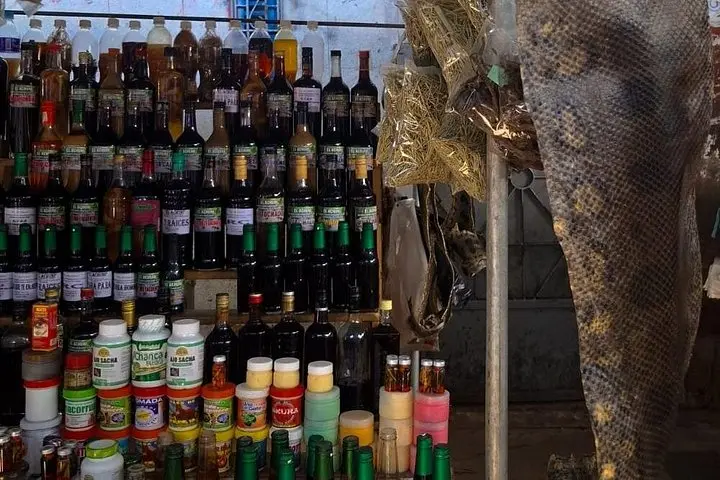
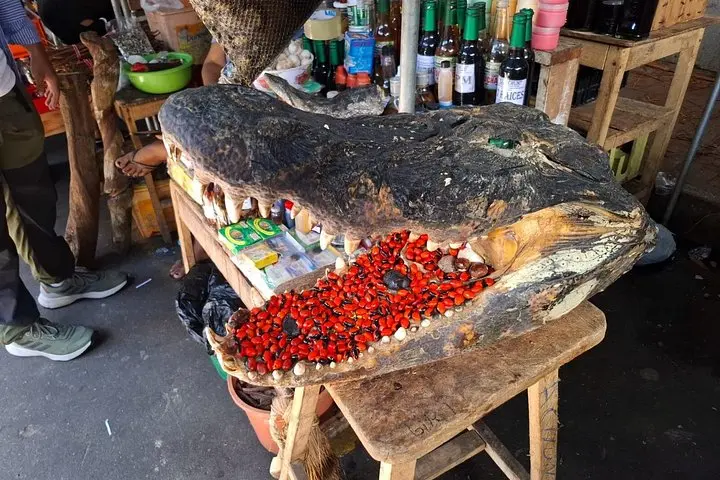
At Pasaje Paquito, vendors hold remedies rooted in indigenous knowledge; local guides explain uses and cultural context while you learn to read labels in a market that’s part pharmacy, part stage for daily life.
After the market, a short boat ride delivers you upriver to a sheltered bend where piranha fishing is done in a controlled spot. Fishing here is direct and tactile—traditional lines and hands‑on guidance from locals make it accessible even to first‑timers. The river can be playful or sudden; currents and weather dictate rhythm.
Practical notes: carry small soles of local cash for purchases and tips, wear quick‑dry shoes, and bring insect repellent and a light waterproof layer. Plan for late‑morning or mid‑afternoon windows to avoid the hottest sun and the briefest storms. Respect local customs, follow your guide’s safety rules on the water, and consider catch‑and‑release to help sustain the river’s life.
Yes—tours use controlled, shallow spots and local guides provide hands‑on instruction and safety gear when needed.
Bring small Peruvian soles; many market vendors and small boat operators accept cash only, though larger businesses may take cards.
The total tour runs about 3–3.5 hours: roughly 1.5–2 hours in the market area and about 45–60 minutes for the river and fishing section.
Yes, but choose cooked items or recommendations from your guide; tap water is unsafe—drink bottled water only.
Ronsoco Guiding Iquitos operates guided outdoor trips and adventures with an emphasis on safety, stewardship, and memorable experiences.
You step off the tuk‑tuk onto the riverside boulevard and the Amazon announces itself: humid air, a chorus of distant calls, and the river pushing at the city’s edge like a living frontier. The guide leads you toward Belén Market where stalls spill over with bright fruits, jars of jungle medicines, and the steady commerce of a community that grew rich during the Rubber Boom and stayed resilient after the boom’s collapse.
You step off the tuk‑tuk onto the riverside boulevard and the Amazon announces itself: humid air, a chorus of distant calls, and the river pushing at the city’s edge like a living frontier. The guide leads you toward Belén Market where stalls spill over with bright fruits, jars of jungle medicines, and the steady commerce of a community that grew rich during the Rubber Boom and stayed resilient after the boom’s collapse.
Iquitos sits on alluvial soil in the heart of the upper Amazon basin; the river’s slow tidal pulse shapes neighborhoods, including the floating houses of Belén. Architecture from the late‑19th to early‑20th centuries still lines the boulevard—wooden balconies and tiled roofs that hint at the city’s sudden wealth and global trade links of that era.
At Pasaje Paquito, vendors hold remedies rooted in indigenous knowledge; local guides explain uses and cultural context while you learn to read labels in a market that’s part pharmacy, part stage for daily life.
After the market, a short boat ride delivers you upriver to a sheltered bend where piranha fishing is done in a controlled spot. Fishing here is direct and tactile—traditional lines and hands‑on guidance from locals make it accessible even to first‑timers. The river can be playful or sudden; currents and weather dictate rhythm.
Practical notes: carry small soles of local cash for purchases and tips, wear quick‑dry shoes, and bring insect repellent and a light waterproof layer. Plan for late‑morning or mid‑afternoon windows to avoid the hottest sun and the briefest storms. Respect local customs, follow your guide’s safety rules on the water, and consider catch‑and‑release to help sustain the river’s life.