THE ADVENTURE COLLECTIVE® · Independent discovery and booking for outdoor travel

Drive up to Irazú’s crater rim for high-altitude views, then visit Cartago’s Basilica of the Angels on a compact half-day tour from San José—part geology, part culture, all accessible.
Drive up to Irazú’s crater rim for high-altitude views, then visit Cartago’s Basilica of the Angels on a compact half-day tour from San José—part geology, part culture, all accessible.
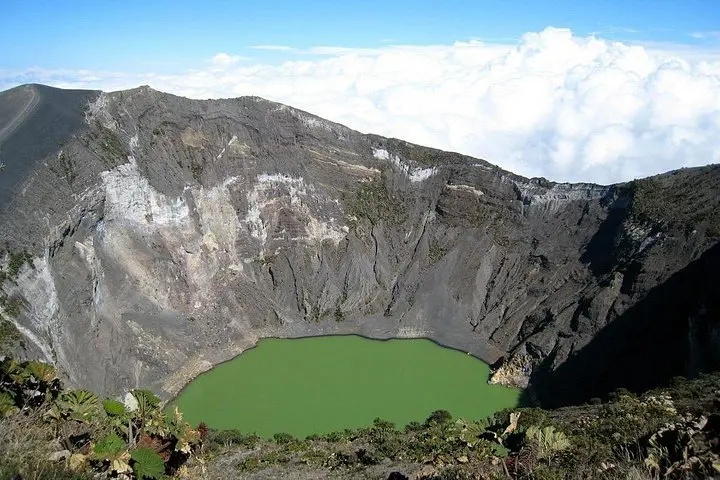
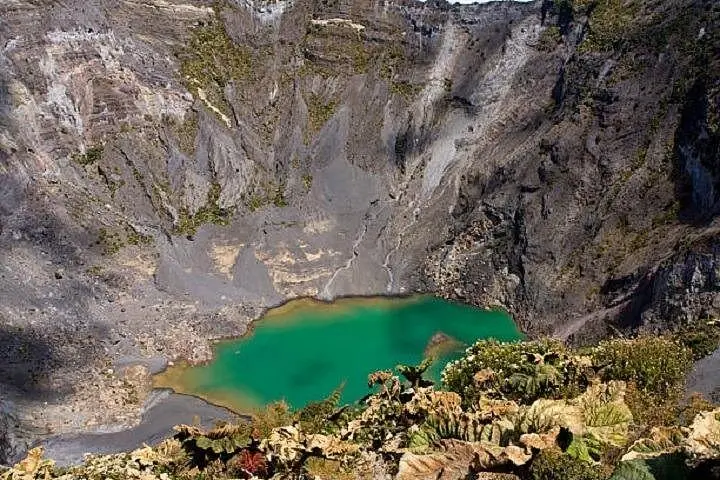
A wind that tastes of ash and cloud greets visitors as the road climbs toward Irazú’s crater rim. From the parking area the landscape opens into a lunar, stubbled expanse where fumaroles huff and the main crater holds a shifting palette of ochre and green. Eyes adjust to the thin air; the city of Cartago sits below like a painted model.
Verified experiences and guided adventures in the surrounding area.
Operated by VIAJES NANA COSTA RICA · Cartago, Cartago
A wind that tastes of ash and cloud greets visitors as the road climbs toward Irazú’s crater rim. From the parking area the landscape opens into a lunar, stubbled expanse where fumaroles huff and the main crater holds a shifting palette of ochre and green. Eyes adjust to the thin air; the city of Cartago sits below like a painted model.
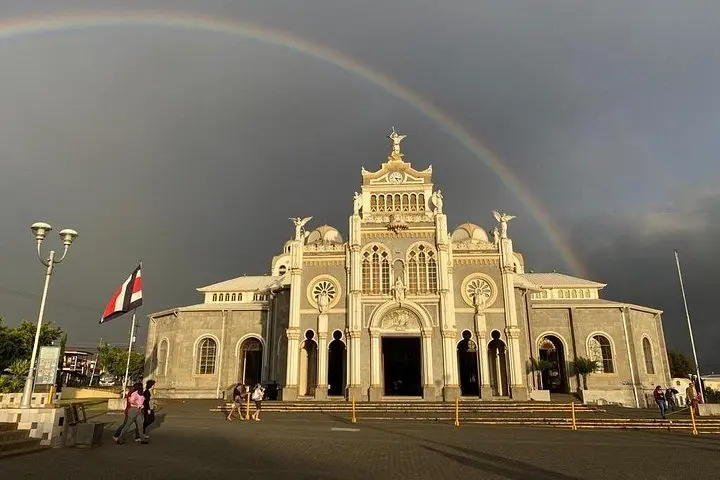
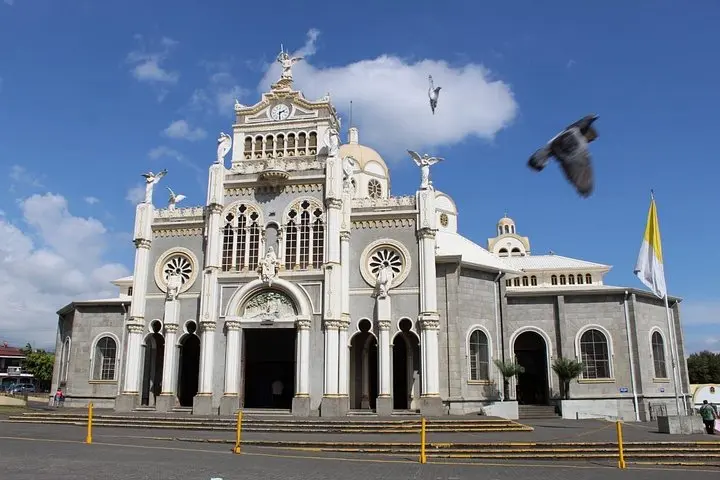
Irazú is Costa Rica’s highest active volcano, its volcanic activity shaping central Valle Central and delivering a dramatic ashfall over San José during the notable 1963 eruption. Geologically it’s a stratovolcano with multiple craters; the summit’s exposed rock and sparse páramo vegetation reflect intense frost and wind at altitude. Nearby Cartago holds a different draw: the Basilica of Our Lady of the Angels, a 17th-century pilgrimage site built around a revered image of the Virgin that draws worshippers and local artisans alike.
Expect a compact outing of driving and short, accessible walks rather than a full mountaineering push. The route pairs high-elevation geology with cultural stops—cathedral plazas, souvenir stalls, and a chance to observe local devotion. Weather flips fast here: sun can be bright one minute and foggy the next.
Practical guidance: start early for clearer crater views, layer clothing for wind and cold, and bring water and sun protection. Photography rewards those who linger at viewpoints; respect religious customs at the basilica (modest dress, quiet photography). The combined trip suits travelers wanting a tangible contrast between volcanic wilderness and everyday Costa Rican culture in one half-day loop.
Yes—vehicles do most of the travel and walks are short, but consider altitude effects for very young children or those with heart conditions.
Typical inclusions are transportation in an air-conditioned vehicle and guided visits; confirm specifics like entrance fees and meals with the operator.
Visibility varies—mornings in the dry season (Dec–Apr) offer the best chance, while afternoons and rainy season can be foggy.
Yes, but services are active; remain quiet, follow local directions, and avoid interrupting worship—photography may be restricted during ceremonies.
VIAJES NANA COSTA RICA operates guided outdoor trips and adventures with an emphasis on safety, stewardship, and memorable experiences.
A wind that tastes of ash and cloud greets visitors as the road climbs toward Irazú’s crater rim. From the parking area the landscape opens into a lunar, stubbled expanse where fumaroles huff and the main crater holds a shifting palette of ochre and green. Eyes adjust to the thin air; the city of Cartago sits below like a painted model.
A wind that tastes of ash and cloud greets visitors as the road climbs toward Irazú’s crater rim. From the parking area the landscape opens into a lunar, stubbled expanse where fumaroles huff and the main crater holds a shifting palette of ochre and green. Eyes adjust to the thin air; the city of Cartago sits below like a painted model.
Irazú is Costa Rica’s highest active volcano, its volcanic activity shaping central Valle Central and delivering a dramatic ashfall over San José during the notable 1963 eruption. Geologically it’s a stratovolcano with multiple craters; the summit’s exposed rock and sparse páramo vegetation reflect intense frost and wind at altitude. Nearby Cartago holds a different draw: the Basilica of Our Lady of the Angels, a 17th-century pilgrimage site built around a revered image of the Virgin that draws worshippers and local artisans alike.
Expect a compact outing of driving and short, accessible walks rather than a full mountaineering push. The route pairs high-elevation geology with cultural stops—cathedral plazas, souvenir stalls, and a chance to observe local devotion. Weather flips fast here: sun can be bright one minute and foggy the next.
Practical guidance: start early for clearer crater views, layer clothing for wind and cold, and bring water and sun protection. Photography rewards those who linger at viewpoints; respect religious customs at the basilica (modest dress, quiet photography). The combined trip suits travelers wanting a tangible contrast between volcanic wilderness and everyday Costa Rican culture in one half-day loop.