THE ADVENTURE COLLECTIVE® · Independent discovery and booking for outdoor travel

In a half day from San José you can stand on Irazú’s crater rim, feel the altitude in your lungs, and end at Cartago’s famed Basilica of the Angels. This compact tour pairs volcanic geology with a dose of Costa Rican culture—ideal for travelers short on time.
In a half day from San José you can stand on Irazú’s crater rim, feel the altitude in your lungs, and end at Cartago’s famed Basilica of the Angels. This compact tour pairs volcanic geology with a dose of Costa Rican culture—ideal for travelers short on time.
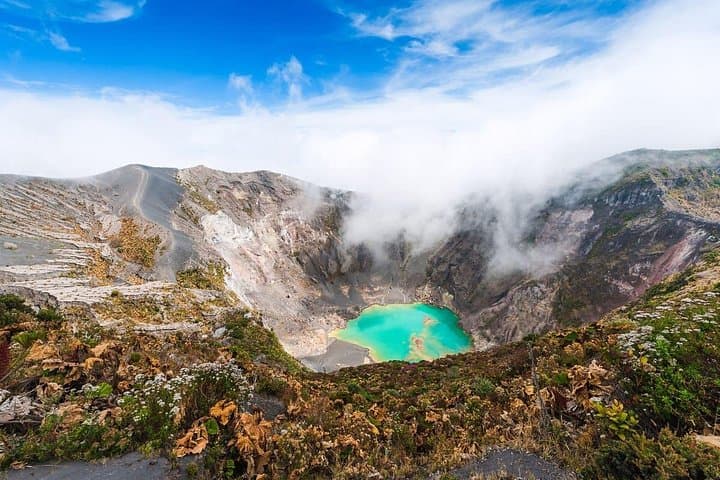
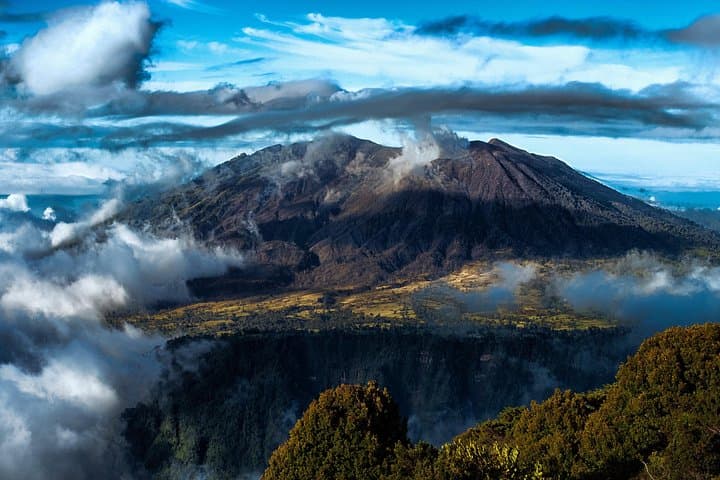
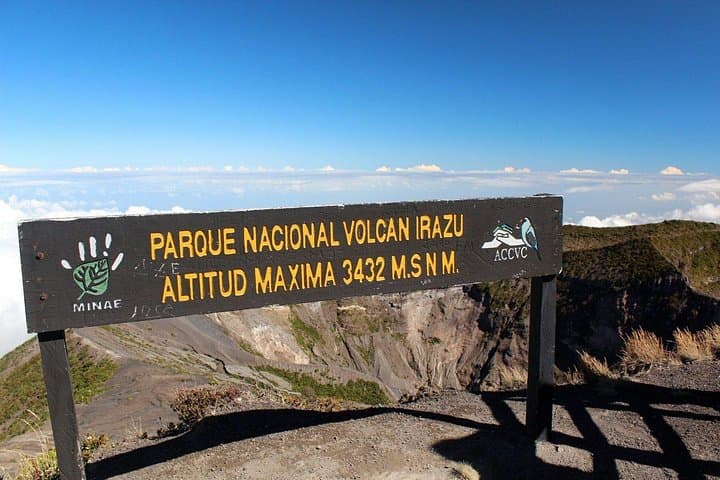
You step off the air-conditioned van into a cold wind that has been working at these heights for millennia. The crater rim at Irazú hangs above the Central Valley like a paused storm—rocky, stark, and deceptively calm. Low clouds roll through the volcanic amphitheater, then part to reveal a green patchwork of valleys and distant peaks. At 3,432 meters the air feels thinner; every inhalation is a reminder that this is a place shaped by fire and time.
Verified experiences and guided adventures in the surrounding area.
Operated by Summer Travel Costa Rica · Cartago, Cartago
You step off the air-conditioned van into a cold wind that has been working at these heights for millennia. The crater rim at Irazú hangs above the Central Valley like a paused storm—rocky, stark, and deceptively calm. Low clouds roll through the volcanic amphitheater, then part to reveal a green patchwork of valleys and distant peaks. At 3,432 meters the air feels thinner; every inhalation is a reminder that this is a place shaped by fire and time.
Irazú is one of Costa Rica's highest and most active volcanoes. Geologically, it belongs to the Central Volcanic Range and is a layered stratovolcano whose eruptions have alternated explosive ash events with quieter lava flows. The volcano's modern fame rests partly on the dramatic 1963–65 eruptions that blanketed surrounding towns in ash and altered agriculture across the Central Valley. Earlier eruptions shaped the jagged craters you now walk along, where rain pools into ephemeral lagoons and sulfurous steam occasionally perfumes the air.
Culturally, this half-day route stitches together natural and human history. After a guided walk along the main crater and a stop at the park’s highest viewpoint, the tour descends toward Cartago to visit the Basilica of Our Lady of the Angels, the national pilgrimage site and home of the country's patron saint. The basilica's Gothic-leaning architecture and small museum offer a pause from the volcanic rawness—a human-scale story of devotion and survival told beside a holy water fountain.
Practically, the itinerary favors travelers short on time. Pickup in San José begins early to maximize clear-morning views; travel time to the park is roughly an hour depending on traffic. The walking sections are manageable but occur at altitude, so guides move deliberately to let visitors acclimatize. Expect uneven, rocky terrain around the crater rim and potentially slick paths if clouds bring drizzle.
Prepare: dress in layers—temperatures swing from brisk on the rim to mild back in the valley. Bring water, sunscreen, and a camera with a mid-range zoom for both the crater lake and valley panoramas. If you have a tight schedule, confirm that your booking includes airport drop-off; many operators can deliver you to SJO later that day.
Why go on this short tour? Because in a half day you witness two sides of Costa Rica: the elemental landscape that shaped its highlands and a living tradition that ties communities to place. The volcano will test your lungs; the basilica will steady your steps. Both will give you a sharper sense of how nature and culture have coexisted here for generations.
This is a roughly 4-hour excursion starting early from San José; travel time to the park is about one hour each way depending on traffic.
Walks are short and on established paths, but altitude (3,432 m) can make them feel harder—go slowly and drink water.
Yes; many operators can drop you at Juan Santamaría International Airport (SJO) with advance notice at no extra cost.
Some areas and transportation options are accessible, but crater rim terrain is uneven and may limit access to certain viewpoints.
Layered clothing, windproof outer layer, and sturdy shoes; mornings are clearest for views so dress for cold at the summit.
This tour includes admissions as part of the itinerary and a guide-led visit to the basilica and its museum.
Summer Travel Costa Rica operates guided outdoor trips and adventures with an emphasis on safety, stewardship, and memorable experiences.

You step off the air-conditioned van into a cold wind that has been working at these heights for millennia. The crater rim at Irazú hangs above the Central Valley like a paused storm—rocky, stark, and deceptively calm. Low clouds roll through the volcanic amphitheater, then part to reveal a green patchwork of valleys and distant peaks. At 3,432 meters the air feels thinner; every inhalation is a reminder that this is a place shaped by fire and time.
You step off the air-conditioned van into a cold wind that has been working at these heights for millennia. The crater rim at Irazú hangs above the Central Valley like a paused storm—rocky, stark, and deceptively calm. Low clouds roll through the volcanic amphitheater, then part to reveal a green patchwork of valleys and distant peaks. At 3,432 meters the air feels thinner; every inhalation is a reminder that this is a place shaped by fire and time.
Irazú is one of Costa Rica's highest and most active volcanoes. Geologically, it belongs to the Central Volcanic Range and is a layered stratovolcano whose eruptions have alternated explosive ash events with quieter lava flows. The volcano's modern fame rests partly on the dramatic 1963–65 eruptions that blanketed surrounding towns in ash and altered agriculture across the Central Valley. Earlier eruptions shaped the jagged craters you now walk along, where rain pools into ephemeral lagoons and sulfurous steam occasionally perfumes the air.
Culturally, this half-day route stitches together natural and human history. After a guided walk along the main crater and a stop at the park’s highest viewpoint, the tour descends toward Cartago to visit the Basilica of Our Lady of the Angels, the national pilgrimage site and home of the country's patron saint. The basilica's Gothic-leaning architecture and small museum offer a pause from the volcanic rawness—a human-scale story of devotion and survival told beside a holy water fountain.
Practically, the itinerary favors travelers short on time. Pickup in San José begins early to maximize clear-morning views; travel time to the park is roughly an hour depending on traffic. The walking sections are manageable but occur at altitude, so guides move deliberately to let visitors acclimatize. Expect uneven, rocky terrain around the crater rim and potentially slick paths if clouds bring drizzle.
Prepare: dress in layers—temperatures swing from brisk on the rim to mild back in the valley. Bring water, sunscreen, and a camera with a mid-range zoom for both the crater lake and valley panoramas. If you have a tight schedule, confirm that your booking includes airport drop-off; many operators can deliver you to SJO later that day.
Why go on this short tour? Because in a half day you witness two sides of Costa Rica: the elemental landscape that shaped its highlands and a living tradition that ties communities to place. The volcano will test your lungs; the basilica will steady your steps. Both will give you a sharper sense of how nature and culture have coexisted here for generations.