THE ADVENTURE COLLECTIVE® · Independent discovery and booking for outdoor travel

Drive from San José to the summit of Irazú and walk a short trail across a moonlike crater rim. This half‑day tour pairs high‑altitude geology with colonial Cartago for a compact, panoramic introduction to Costa Rica’s highlands.
Drive from San José to the summit of Irazú and walk a short trail across a moonlike crater rim. This half‑day tour pairs high‑altitude geology with colonial Cartago for a compact, panoramic introduction to Costa Rica’s highlands.
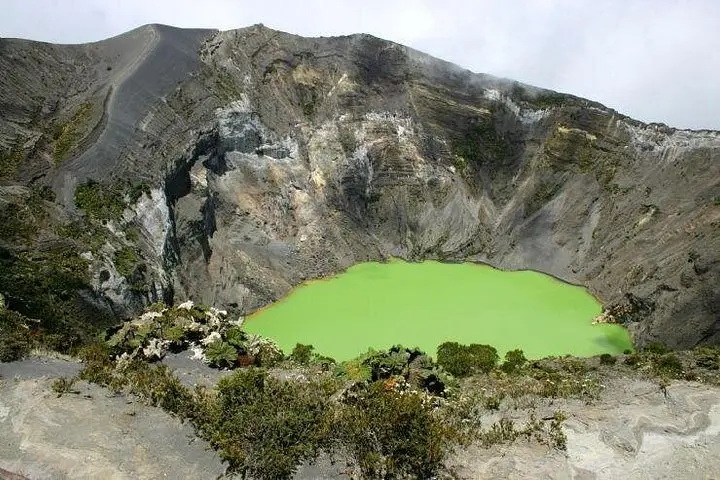
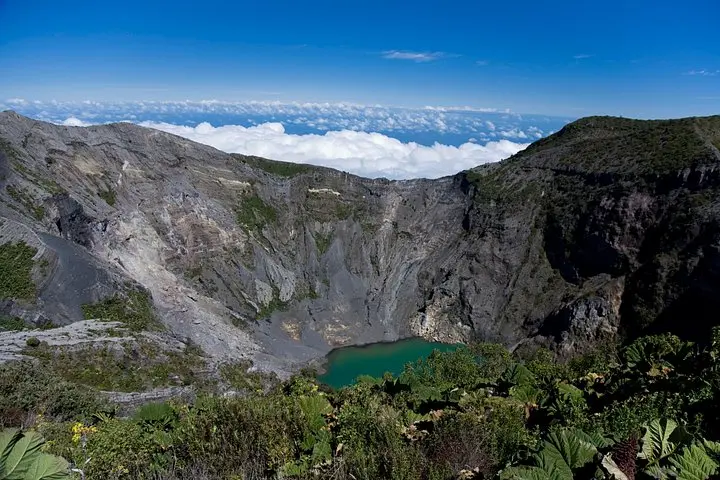
You round a switchback and the air suddenly feels thinner — cooler and clean enough to bite. The van stops near the park gate and a low, basaltic landscape opens like a raw wound in the earth: the crater of Irazú, Costa Rica’s highest active volcano, sitting at 3,432 meters (11,260 ft). The guide pulls a windbreaker from the back of the vehicle and points up. The crater rim is a five- to 20‑minute walk from the parking area depending on how much you stop to take pictures, and the path goes over a moonlike surface of volcanic sand and jagged rock that seems to dare you to approach its edge.
Verified experiences and guided adventures in the surrounding area.
Operated by Destination Services Costa Rica · Cartago, Cartago
You round a switchback and the air suddenly feels thinner — cooler and clean enough to bite. The van stops near the park gate and a low, basaltic landscape opens like a raw wound in the earth: the crater of Irazú, Costa Rica’s highest active volcano, sitting at 3,432 meters (11,260 ft). The guide pulls a windbreaker from the back of the vehicle and points up. The crater rim is a five- to 20‑minute walk from the parking area depending on how much you stop to take pictures, and the path goes over a moonlike surface of volcanic sand and jagged rock that seems to dare you to approach its edge.
Geology here is immediate. Irazú’s last major eruptive episode in the 1960s reshaped slopes and deposited layers of ash that today support coffee farms lower down. On clear days, the crater lagoon shows an almost metallic green and, if the skies cooperate, you can see the Pacific and Atlantic Oceans at once — a geographic quirk that makes Irazú unique.
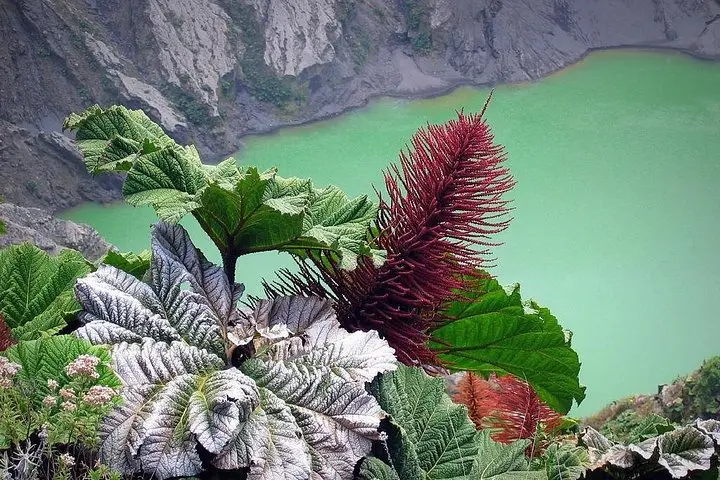
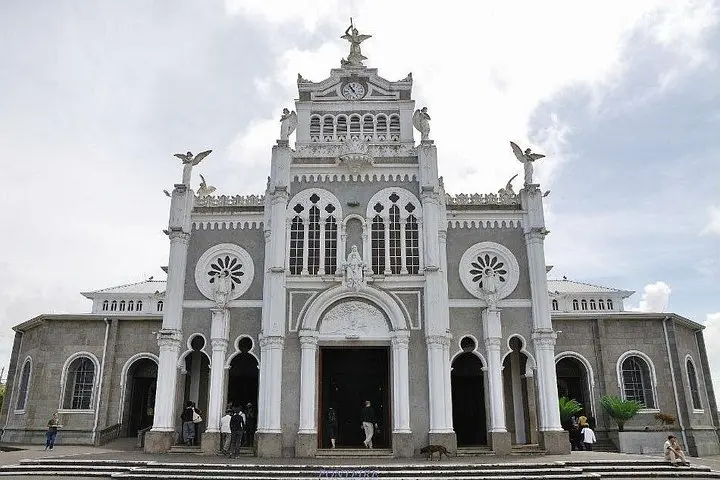
Cultural notes ride the same highway as the lava: the tour usually continues to Cartago, Costa Rica’s colonial-era city, where the basilica of Nuestra Señora de los Ángeles and the nearby ruins of the old parish reveal the region’s Spanish-era history and persistent religious traditions. The climb from San José offers changing vegetation — coffee terraces give way to ferns and dwarf shrubs as elevation increases — so the trip doubles as a quick, high‑altitude ecology lesson.
Practically, this is a half-day excursion optimized for travelers with limited time in the Central Valley. The tour includes round-trip transport and park entry; the walking portion is short but at high altitude, so expect brisk winds, intense sun, and possible headaches if you’re sensitive. Bring layers: a breathable base layer, a warm midlayer, and a windproof outer shell. Footwear should be sturdy — the volcanic surface can be loose and sharp. If clouds close in you’ll trade sweeping views for an eerie crater silence; either way, the volcanic landscape is dramatic and easy to access.
Timing matters: morning runs cooler and clearer, while mid-afternoon often brings low clouds. If you want Cartago’s basilica on the itinerary, plan for a full four-hour window to avoid rushing. The tour operator requests hotel pickup in San José and a minimum of two travelers to confirm; they also note the activity is not recommended for pregnant guests or those with serious heart or back issues.
On a good day this trip gives you two things: a short, high-elevation hike that feels remote despite being close to the capital, and a short cultural detour into Cartago that frames the volcano within Costa Rica’s layered history.
The walk from the parking area to the main crater rim is typically 5–20 minutes one-way, depending on stops; total walking on site is usually under 1 km.
Yes — on very clear days visitors can see the Pacific and Atlantic coasts from the summit, but visibility depends on weather and is not guaranteed.
The tour is generally suitable for most ages, but high altitude can affect children and seniors; check health restrictions and notify the operator of any concerns.
Basic restroom facilities are available at the park entrance and visitor area near the parking lot, but amenities are limited compared with city standards.
Confirm your hotel pickup time at least 24 hours before departure as required by the operator to ensure timely collection.
Yes — the operator reserves the right to cancel for bad weather or if the minimum participant number isn’t met; full refunds are offered if canceled 24 hours prior.
Destination Services Costa Rica operates guided outdoor trips and adventures with an emphasis on safety, stewardship, and memorable experiences.
You round a switchback and the air suddenly feels thinner — cooler and clean enough to bite. The van stops near the park gate and a low, basaltic landscape opens like a raw wound in the earth: the crater of Irazú, Costa Rica’s highest active volcano, sitting at 3,432 meters (11,260 ft). The guide pulls a windbreaker from the back of the vehicle and points up. The crater rim is a five- to 20‑minute walk from the parking area depending on how much you stop to take pictures, and the path goes over a moonlike surface of volcanic sand and jagged rock that seems to dare you to approach its edge.
You round a switchback and the air suddenly feels thinner — cooler and clean enough to bite. The van stops near the park gate and a low, basaltic landscape opens like a raw wound in the earth: the crater of Irazú, Costa Rica’s highest active volcano, sitting at 3,432 meters (11,260 ft). The guide pulls a windbreaker from the back of the vehicle and points up. The crater rim is a five- to 20‑minute walk from the parking area depending on how much you stop to take pictures, and the path goes over a moonlike surface of volcanic sand and jagged rock that seems to dare you to approach its edge.
Geology here is immediate. Irazú’s last major eruptive episode in the 1960s reshaped slopes and deposited layers of ash that today support coffee farms lower down. On clear days, the crater lagoon shows an almost metallic green and, if the skies cooperate, you can see the Pacific and Atlantic Oceans at once — a geographic quirk that makes Irazú unique.
Cultural notes ride the same highway as the lava: the tour usually continues to Cartago, Costa Rica’s colonial-era city, where the basilica of Nuestra Señora de los Ángeles and the nearby ruins of the old parish reveal the region’s Spanish-era history and persistent religious traditions. The climb from San José offers changing vegetation — coffee terraces give way to ferns and dwarf shrubs as elevation increases — so the trip doubles as a quick, high‑altitude ecology lesson.
Practically, this is a half-day excursion optimized for travelers with limited time in the Central Valley. The tour includes round-trip transport and park entry; the walking portion is short but at high altitude, so expect brisk winds, intense sun, and possible headaches if you’re sensitive. Bring layers: a breathable base layer, a warm midlayer, and a windproof outer shell. Footwear should be sturdy — the volcanic surface can be loose and sharp. If clouds close in you’ll trade sweeping views for an eerie crater silence; either way, the volcanic landscape is dramatic and easy to access.
Timing matters: morning runs cooler and clearer, while mid-afternoon often brings low clouds. If you want Cartago’s basilica on the itinerary, plan for a full four-hour window to avoid rushing. The tour operator requests hotel pickup in San José and a minimum of two travelers to confirm; they also note the activity is not recommended for pregnant guests or those with serious heart or back issues.
On a good day this trip gives you two things: a short, high-elevation hike that feels remote despite being close to the capital, and a short cultural detour into Cartago that frames the volcano within Costa Rica’s layered history.