THE ADVENTURE COLLECTIVE® · Independent discovery and booking for outdoor travel

Stand on the rim of Irazú at 3,432 m, then follow a cultural circuit through Cartago’s basilica and the colonial church of Orosi. This full-day trip mixes volcanic geology, coffee-country views and Costa Rican religious heritage.
Stand on the rim of Irazú at 3,432 m, then follow a cultural circuit through Cartago’s basilica and the colonial church of Orosi. This full-day trip mixes volcanic geology, coffee-country views and Costa Rican religious heritage.
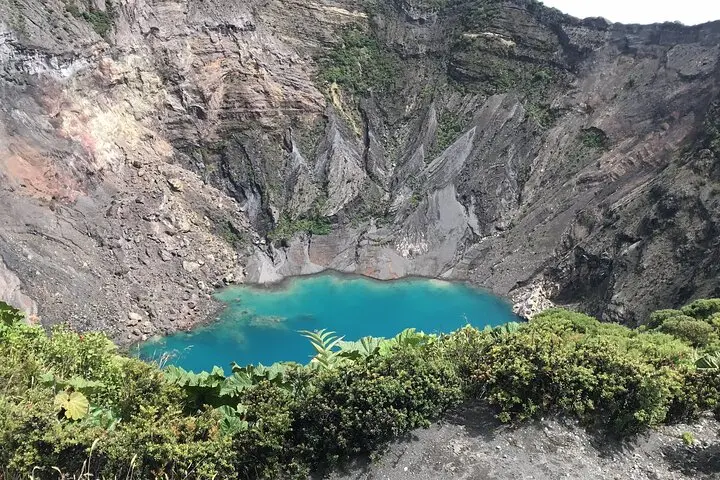
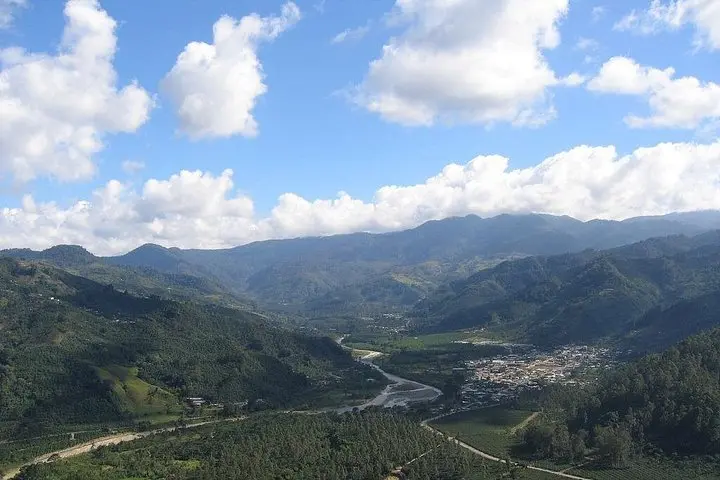
A cool wind meets visitors at the Irazú crater rim, where the air thins and the landscape opens to iron-stained rock and horned fumaroles. At 3,432 meters above sea level, the volcano pushes itself into view—its craters a raw counterpoint to the green folds of the Orosi Valley below.
Verified experiences and guided adventures in the surrounding area.
Operated by Marbella Tours · Cartago, Cartago Province
A cool wind meets visitors at the Irazú crater rim, where the air thins and the landscape opens to iron-stained rock and horned fumaroles. At 3,432 meters above sea level, the volcano pushes itself into view—its craters a raw counterpoint to the green folds of the Orosi Valley below.
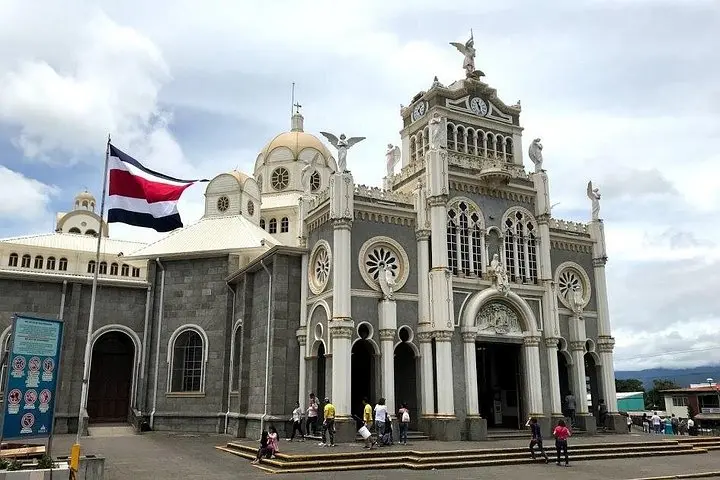
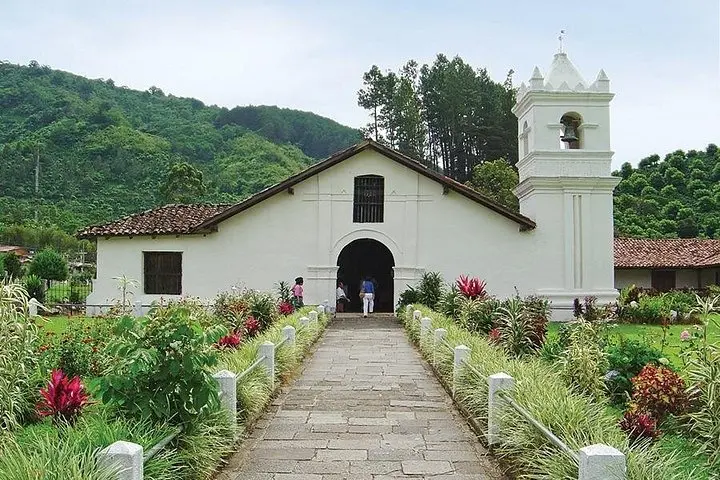
This day tour pairs high-altitude geology with deep cultural roots. Irazú is part of Costa Rica’s Central Volcanic Mountain Range; its eruptions and ash deposits shaped local soils and fed the coffee plantations that now stripe the valley. Cartago, the country’s first capital, centers the route: pilgrims gather at the Basilica of Our Lady of the Angels each August for a devotion that has defined regional identity since the 17th century. The Church of Orosi, built by Franciscan friars in 1767, represents colonial architecture and the long relationship between settlers and the land.
Practically, expect an all-day outing from San José or Cartago—roughly eight hours with guided transfers, entrance to Irazú, and lunch in Paraíso de Cartago. Weather shifts fast: sun at the valley and cloud at the crater are both likely. Footing at viewpoints is short and mostly paved, but higher altitude can make brief walks feel strenuous.
Bring layered clothing, sun protection, and water; allow extra time for photography at the crater rim and for a quiet walk through Orosi’s coffee farms and rivers. The route suits travelers who want a single-day mix of dramatic highland scenery and living cultural history.
Irazú’s summit reaches approximately 3,432 meters (11,260 feet), making it the highest volcano in Costa Rica’s central range.
The itinerary notes wheelchair and stroller accessibility for many areas, but altitude and short uphill walks may be challenging—check with the operator for specific needs.
On exceptionally clear days you can see both the Pacific and Atlantic coasts, but visibility depends on weather and cloud cover.
Dress in layers, bring a windproof jacket, comfortable shoes, sun protection, and a refillable water bottle.
Marbella Tours operates guided outdoor trips and adventures with an emphasis on safety, stewardship, and memorable experiences.
A cool wind meets visitors at the Irazú crater rim, where the air thins and the landscape opens to iron-stained rock and horned fumaroles. At 3,432 meters above sea level, the volcano pushes itself into view—its craters a raw counterpoint to the green folds of the Orosi Valley below.
A cool wind meets visitors at the Irazú crater rim, where the air thins and the landscape opens to iron-stained rock and horned fumaroles. At 3,432 meters above sea level, the volcano pushes itself into view—its craters a raw counterpoint to the green folds of the Orosi Valley below.
This day tour pairs high-altitude geology with deep cultural roots. Irazú is part of Costa Rica’s Central Volcanic Mountain Range; its eruptions and ash deposits shaped local soils and fed the coffee plantations that now stripe the valley. Cartago, the country’s first capital, centers the route: pilgrims gather at the Basilica of Our Lady of the Angels each August for a devotion that has defined regional identity since the 17th century. The Church of Orosi, built by Franciscan friars in 1767, represents colonial architecture and the long relationship between settlers and the land.
Practically, expect an all-day outing from San José or Cartago—roughly eight hours with guided transfers, entrance to Irazú, and lunch in Paraíso de Cartago. Weather shifts fast: sun at the valley and cloud at the crater are both likely. Footing at viewpoints is short and mostly paved, but higher altitude can make brief walks feel strenuous.
Bring layered clothing, sun protection, and water; allow extra time for photography at the crater rim and for a quiet walk through Orosi’s coffee farms and rivers. The route suits travelers who want a single-day mix of dramatic highland scenery and living cultural history.