THE ADVENTURE COLLECTIVE® · Independent discovery and booking for outdoor travel

A compact 4-hour voyage from Ísafjörður to Dynjandi that blends dramatic fjord driving with short, photogenic stops. Ideal for photographers and nature lovers who want a low-effort introduction to the Westfjords’ waterfalls, wildlife and villages.
A compact 4-hour voyage from Ísafjörður to Dynjandi that blends dramatic fjord driving with short, photogenic stops. Ideal for photographers and nature lovers who want a low-effort introduction to the Westfjords’ waterfalls, wildlife and villages.
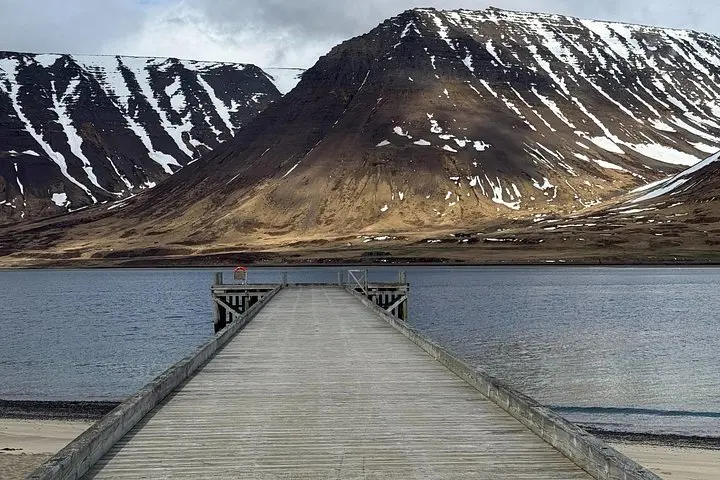
You roll away from Ísafjörður with salt on the air and steep mountains pressing the road into a narrow ribbon. The bus curves along fjord shoulders, stopping at headlands where wind and light argue with each other over the best angle to show the coast.
Verified experiences and guided adventures in the surrounding area.
Operated by ValkyrieTours · Ísafjörður, Westfjords
You roll away from Ísafjörður with salt on the air and steep mountains pressing the road into a narrow ribbon. The bus curves along fjord shoulders, stopping at headlands where wind and light argue with each other over the best angle to show the coast.
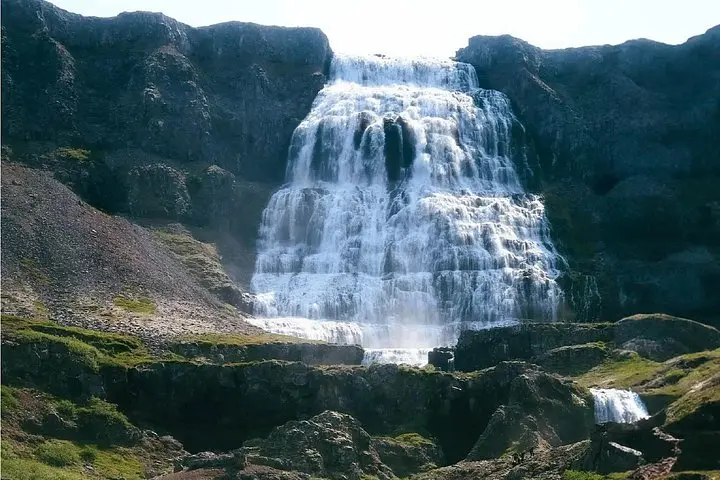
This stretch of the Westfjords carries a clear maritime past: Ísafjörður’s wooden houses and old harbors speak to a community built on fishing, trade, and survival. The route to Dynjandi follows glacially carved fjords; the waterfall itself is a stepped veil falling roughly 100 meters, each tier shaped by ancient ice and stubborn bedrock.
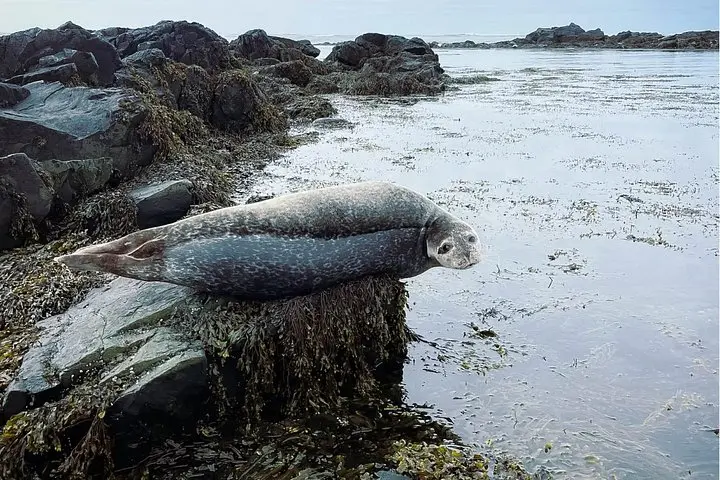
Villages like Þingeyri, Flateyri and Hrafnseyri still wear their fishing culture openly—small museums, working piers and simple cafés where locals trade the day’s catch and stories. Seabirds wheel above cliffs, seals loaf on sheltered shores, and on rare days humpback whales will breach in the distance, reminding you the sea keeps its own calendar.
Practical guidance: the tour is four hours including driving and 20–75 minute visits at highlights. A short, unpaved path leads from Dynjandi’s lot toward the base of the falls; expect mist, slippery stones and brief elevation gain. Dress in waterproof layers, wear sturdy shoes, and bring a telephoto or binoculars for wildlife. Departure times vary by port schedule—operators usually confirm the night before. Respect marked paths and bird-nesting seasons, and carry out all waste: the tundra is thin and recovers slowly.
This outing is ideal for photographers and low-effort explorers who want a concentrated dose of Westfjords geology, coastal wildlife and village character without demanding trekking.
The primary path from the parking area is short—typically 10–30 minutes depending on how far you climb toward the base. The surface is unpaved and can be slippery.
Yes—humpback whales have been reported in the region, though sightings are occasional. Seals and a variety of seabirds are much more commonly seen.
Yes—departure times change daily with port schedules; the operator typically messages guests the night before with the confirmed pickup time.
Generally yes—the tour is rated easy and stroller access is possible at many stops, but the trail to Dynjandi has uneven stretches that may be challenging with a stroller or very young children.
ValkyrieTours operates guided outdoor trips and adventures with an emphasis on safety, stewardship, and memorable experiences.

You roll away from Ísafjörður with salt on the air and steep mountains pressing the road into a narrow ribbon. The bus curves along fjord shoulders, stopping at headlands where wind and light argue with each other over the best angle to show the coast.
You roll away from Ísafjörður with salt on the air and steep mountains pressing the road into a narrow ribbon. The bus curves along fjord shoulders, stopping at headlands where wind and light argue with each other over the best angle to show the coast.
This stretch of the Westfjords carries a clear maritime past: Ísafjörður’s wooden houses and old harbors speak to a community built on fishing, trade, and survival. The route to Dynjandi follows glacially carved fjords; the waterfall itself is a stepped veil falling roughly 100 meters, each tier shaped by ancient ice and stubborn bedrock.
Villages like Þingeyri, Flateyri and Hrafnseyri still wear their fishing culture openly—small museums, working piers and simple cafés where locals trade the day’s catch and stories. Seabirds wheel above cliffs, seals loaf on sheltered shores, and on rare days humpback whales will breach in the distance, reminding you the sea keeps its own calendar.
Practical guidance: the tour is four hours including driving and 20–75 minute visits at highlights. A short, unpaved path leads from Dynjandi’s lot toward the base of the falls; expect mist, slippery stones and brief elevation gain. Dress in waterproof layers, wear sturdy shoes, and bring a telephoto or binoculars for wildlife. Departure times vary by port schedule—operators usually confirm the night before. Respect marked paths and bird-nesting seasons, and carry out all waste: the tundra is thin and recovers slowly.
This outing is ideal for photographers and low-effort explorers who want a concentrated dose of Westfjords geology, coastal wildlife and village character without demanding trekking.