THE ADVENTURE COLLECTIVE® · Independent discovery and booking for outdoor travel

Three hours on one of Germany's last wild rivers: a 12 km rafting run from Lenggries to Bad Tölz that mixes level 3 rapids with meadow-lined calm. Practical for newcomers, thrilling for paddlers who want to push the drops a few more times.
Three hours on one of Germany's last wild rivers: a 12 km rafting run from Lenggries to Bad Tölz that mixes level 3 rapids with meadow-lined calm. Practical for newcomers, thrilling for paddlers who want to push the drops a few more times.
A cold winded breath of the Prealps meets your face as you step into the camp on Isarstraße in Lenggries. Guides are already checking helmets and tightening life jackets while the river murmurs not far away, daring you to find out how wild it still is. The rubber of the raft is slick with river spray; a chorus of paddles and shouted commands folds into the landscape. In three hours you will have threaded a 12 km ribbon of limestone and meadow between Lenggries and Bad Tölz, trading the steady hum of the road for sections of calm glide and whitewater that kicks up at level 3.
Verified experiences and guided adventures in the surrounding area.
Operated by Sport-Piraten GmbH · Lenggries, Bavaria
A cold winded breath of the Prealps meets your face as you step into the camp on Isarstraße in Lenggries. Guides are already checking helmets and tightening life jackets while the river murmurs not far away, daring you to find out how wild it still is. The rubber of the raft is slick with river spray; a chorus of paddles and shouted commands folds into the landscape. In three hours you will have threaded a 12 km ribbon of limestone and meadow between Lenggries and Bad Tölz, trading the steady hum of the road for sections of calm glide and whitewater that kicks up at level 3.
This stretch of the Isar is one of Germany's last rivers with a partly natural course. Geologically, the river cuts through morainal deposits and softer Tertiary sediments below the looming crags of the Bavarian Prealps, creating riffles and boulder-strewn rapids where water accelerates and then finds placid pools to collect. Culturally the Isar has long shaped local life — from medieval mills and timber rafting to the beer gardens that now receive the river-smudged and cheerful at the end of the run.
Your guide will run a short safety talk and a practical paddling demo before launching. The route alternates gentle meanders that reveal wildflower meadows and farmed pastures with technical zones where the river funnels and spins. Guides are experienced and will let each paddler choose how active to be; you can ride as a passenger or take up the paddle, repeating tricky waves for a bigger adrenaline hit.
Practicalities matter. The operator outfits you with a wetsuit, helmet, and life jacket, and handles a taxi or coach return to camp. The full outing is about 180 minutes from meeting to finish, including briefing, shuttle, and on-water time. It is labeled suitable for most fitness levels, though anyone with serious back, heart, or pregnancy concerns should sit this one out. Come prepared to get wet, bring a small dry bag for essentials, and plan transport back if you linger in Bad Tölz beer gardens.
Timing and footwear are simple decisions: aim for late morning for steady temperatures and clearer water, or late afternoon for softer light and quieter banks. Hydrate before you launch, wear sturdy river shoes or old trainers with good grip, and secure valuables or leave them behind. For photographers, low sun and the quieter meanders offer the best chances for crisp mountain reflections and action shots of paddlers in foam. When the run ends, the river hands you off to a riverside beer garden — a casual reward and a good place to unpack the day with other rafters.
The Isar asks for attention rather than mastery. It gives back high-country scenery, honest whitewater, and a short but complete river experience that makes clear why southern Bavaria still values this water as part of its natural and cultural landscape.
No; guides teach basic paddling and river commands. You can choose to ride passively or paddle actively.
Booking asks for ages; check with the operator but family-friendly bookings are common—confirm minimums when reserving.
Wear quick-drying synthetics, closed-toe shoes, and the wetsuit and life jacket provided; avoid cotton.
Use a small waterproof camera or a secured action cam; phones should be in watertight cases or dry bags.
The operator does not refund for weather; trips may be canceled if minimum participants are not met or conditions are unsafe.
A taxi or coach transfer back to the camp is included; confirm drop-off times if you plan to stay in Bad Tölz afterwards.
Sport-Piraten GmbH operates guided outdoor trips and adventures with an emphasis on safety, stewardship, and memorable experiences.
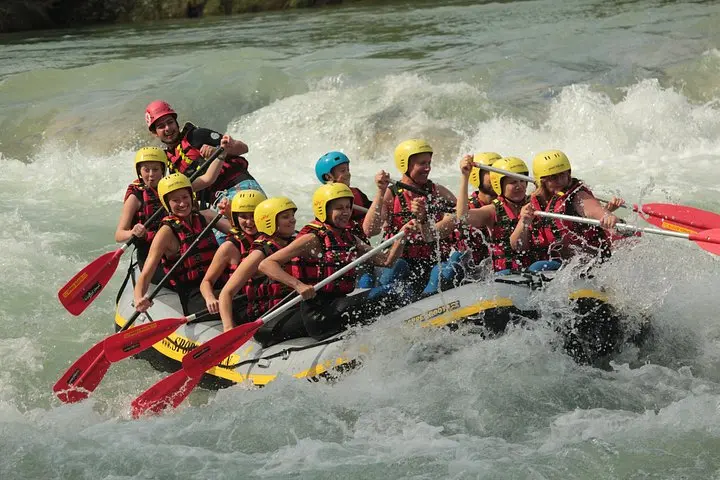
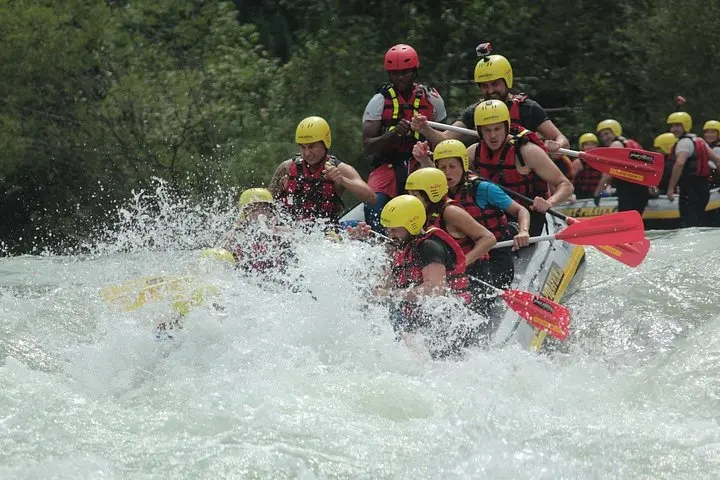
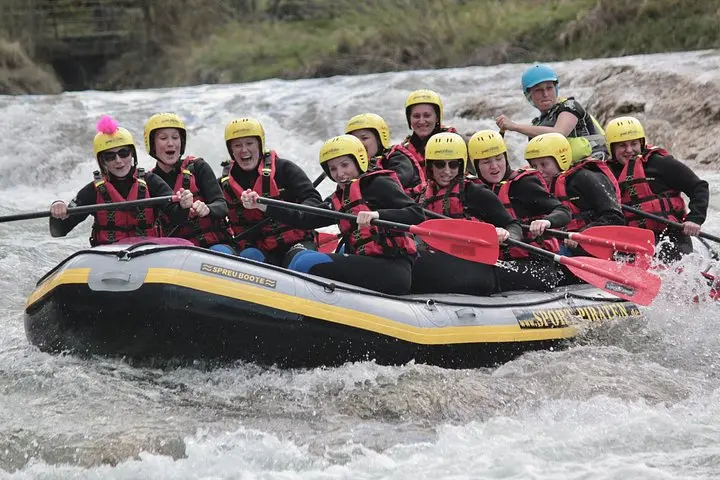
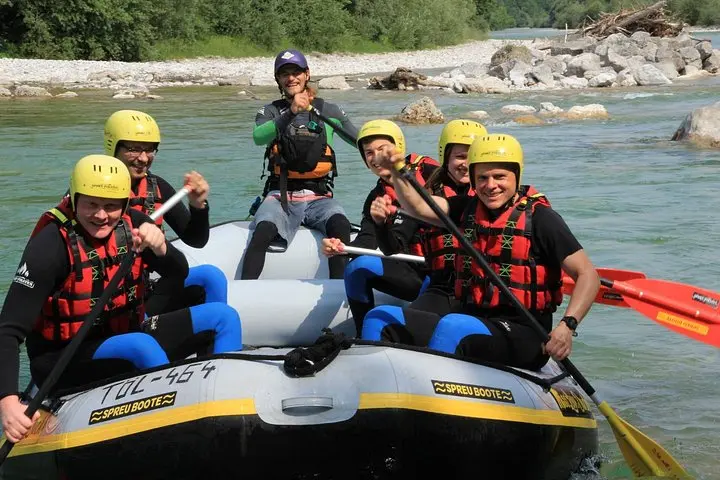
A cold winded breath of the Prealps meets your face as you step into the camp on Isarstraße in Lenggries. Guides are already checking helmets and tightening life jackets while the river murmurs not far away, daring you to find out how wild it still is. The rubber of the raft is slick with river spray; a chorus of paddles and shouted commands folds into the landscape. In three hours you will have threaded a 12 km ribbon of limestone and meadow between Lenggries and Bad Tölz, trading the steady hum of the road for sections of calm glide and whitewater that kicks up at level 3.
A cold winded breath of the Prealps meets your face as you step into the camp on Isarstraße in Lenggries. Guides are already checking helmets and tightening life jackets while the river murmurs not far away, daring you to find out how wild it still is. The rubber of the raft is slick with river spray; a chorus of paddles and shouted commands folds into the landscape. In three hours you will have threaded a 12 km ribbon of limestone and meadow between Lenggries and Bad Tölz, trading the steady hum of the road for sections of calm glide and whitewater that kicks up at level 3.
This stretch of the Isar is one of Germany's last rivers with a partly natural course. Geologically, the river cuts through morainal deposits and softer Tertiary sediments below the looming crags of the Bavarian Prealps, creating riffles and boulder-strewn rapids where water accelerates and then finds placid pools to collect. Culturally the Isar has long shaped local life — from medieval mills and timber rafting to the beer gardens that now receive the river-smudged and cheerful at the end of the run.
Your guide will run a short safety talk and a practical paddling demo before launching. The route alternates gentle meanders that reveal wildflower meadows and farmed pastures with technical zones where the river funnels and spins. Guides are experienced and will let each paddler choose how active to be; you can ride as a passenger or take up the paddle, repeating tricky waves for a bigger adrenaline hit.
Practicalities matter. The operator outfits you with a wetsuit, helmet, and life jacket, and handles a taxi or coach return to camp. The full outing is about 180 minutes from meeting to finish, including briefing, shuttle, and on-water time. It is labeled suitable for most fitness levels, though anyone with serious back, heart, or pregnancy concerns should sit this one out. Come prepared to get wet, bring a small dry bag for essentials, and plan transport back if you linger in Bad Tölz beer gardens.
Timing and footwear are simple decisions: aim for late morning for steady temperatures and clearer water, or late afternoon for softer light and quieter banks. Hydrate before you launch, wear sturdy river shoes or old trainers with good grip, and secure valuables or leave them behind. For photographers, low sun and the quieter meanders offer the best chances for crisp mountain reflections and action shots of paddlers in foam. When the run ends, the river hands you off to a riverside beer garden — a casual reward and a good place to unpack the day with other rafters.
The Isar asks for attention rather than mastery. It gives back high-country scenery, honest whitewater, and a short but complete river experience that makes clear why southern Bavaria still values this water as part of its natural and cultural landscape.