THE ADVENTURE COLLECTIVE® · Independent discovery and booking for outdoor travel

Trace ancient pilgrim routes and hands-on crafts from Ise Jingu to the sacred rivers and sea cliffs of Kumano. This six-day private tour combines geology, shrine culture and coastal adventures with practical itineraries and local expertise.
Trace ancient pilgrim routes and hands-on crafts from Ise Jingu to the sacred rivers and sea cliffs of Kumano. This six-day private tour combines geology, shrine culture and coastal adventures with practical itineraries and local expertise.
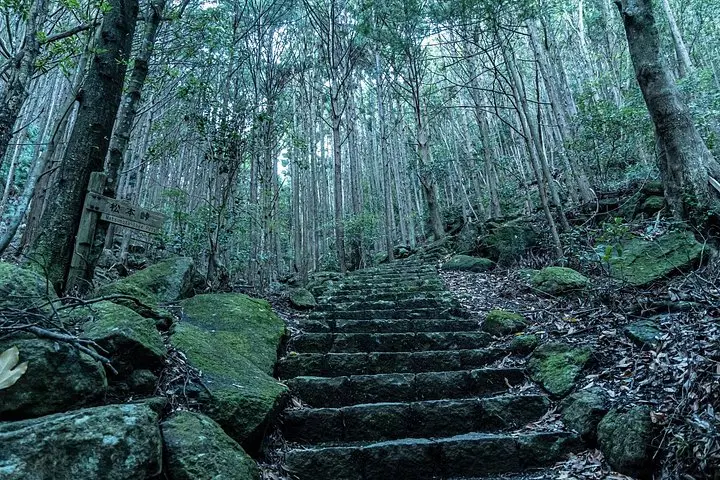
Morning mist clings to cedar trunks as you move from the shrine forecourts of Ise toward the mossed stone steps of Daimonzaka — the tour opens with a tactile sense of Japan’s older rhythms.
Verified experiences and guided adventures in the surrounding area.
Operated by Nankai Travel International · Ise, Mie Prefecture
Morning mist clings to cedar trunks as you move from the shrine forecourts of Ise toward the mossed stone steps of Daimonzaka — the tour opens with a tactile sense of Japan’s older rhythms.
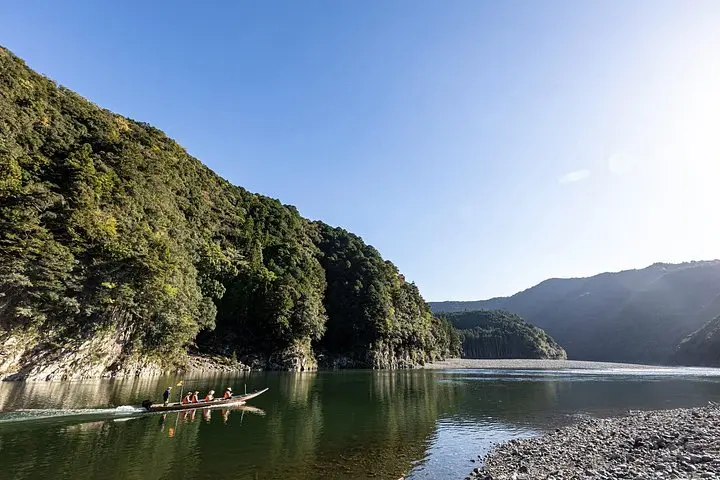
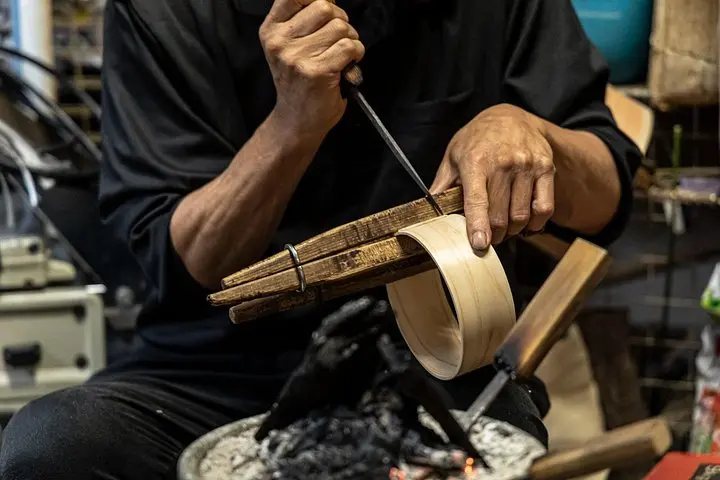
Across six days you'll trace coastal cliffs, terraced rice slopes and river-cut canyons shaped where the Philippine Sea and Eurasian plates meet. The itinerary stitches together Ise Jingu’s syncretic Shinto heart with the mountain shrines of Kumano, hands-on crafts from Owase wappa lunchboxes to kumano washi paper, and a boat glide through Dorokyo’s narrow gorge. Geology is visible: volcanic outcrops, sea-eroded stacks like Hashikui-iwa, and river canyons carved into ancient bedrock.
Culturally this region is the birthplace of Kumano pilgrimage — routes pilgrims walked for centuries to seek blessing and longevity — and crafts here reflect local timber, salt and iron traditions; you'll even visit a village smith demonstrating tatara ironmaking. Wildlife is quiet but present: sika deer browse village edges and seabirds wheel over the coast.
Practically, expect short to moderate walks (many 30–90 minute site visits, mostly on stone pavements, forest trails and coastal walkways) with modest elevation changes under a few hundred meters per outing. Transfers connect dispersed sites; accommodations are included each night. Pack layered rain protection for humid weather, sturdy shoes for cobbles and stairs, and a small daypack for water and camera gear. Timing your visits for morning light at shrines or golden-hour sea views will reward quieter crowds and stronger photos.
No — most site visits are short walks of 30–90 minutes; expect uneven stone paths and short stair sections rather than multi-hour mountain treks.
Yes: the itinerary includes breakfast most days and several lunches and dinners as noted in the tour inclusions.
The tour is private and can accommodate families, but it’s not recommended for travelers with serious spinal or cardiovascular issues due to stairs, uneven surfaces and some transfers.
Yes — the schedule includes visits to Nachi and a guided boat through Dorokyo, weather permitting and as described in the daily itinerary.
Nankai Travel International operates guided outdoor trips and adventures with an emphasis on safety, stewardship, and memorable experiences.

Morning mist clings to cedar trunks as you move from the shrine forecourts of Ise toward the mossed stone steps of Daimonzaka — the tour opens with a tactile sense of Japan’s older rhythms.
Morning mist clings to cedar trunks as you move from the shrine forecourts of Ise toward the mossed stone steps of Daimonzaka — the tour opens with a tactile sense of Japan’s older rhythms.
Across six days you'll trace coastal cliffs, terraced rice slopes and river-cut canyons shaped where the Philippine Sea and Eurasian plates meet. The itinerary stitches together Ise Jingu’s syncretic Shinto heart with the mountain shrines of Kumano, hands-on crafts from Owase wappa lunchboxes to kumano washi paper, and a boat glide through Dorokyo’s narrow gorge. Geology is visible: volcanic outcrops, sea-eroded stacks like Hashikui-iwa, and river canyons carved into ancient bedrock.
Culturally this region is the birthplace of Kumano pilgrimage — routes pilgrims walked for centuries to seek blessing and longevity — and crafts here reflect local timber, salt and iron traditions; you'll even visit a village smith demonstrating tatara ironmaking. Wildlife is quiet but present: sika deer browse village edges and seabirds wheel over the coast.
Practically, expect short to moderate walks (many 30–90 minute site visits, mostly on stone pavements, forest trails and coastal walkways) with modest elevation changes under a few hundred meters per outing. Transfers connect dispersed sites; accommodations are included each night. Pack layered rain protection for humid weather, sturdy shoes for cobbles and stairs, and a small daypack for water and camera gear. Timing your visits for morning light at shrines or golden-hour sea views will reward quieter crowds and stronger photos.