THE ADVENTURE COLLECTIVE® · Independent discovery and booking for outdoor travel

Glide the St Lucia Estuary and watch hippos surface within arm’s reach while crocodiles sun on the banks. This half-day cruise from Durban pairs close wildlife viewing with informed local commentary in a UNESCO-listed wetland.
Glide the St Lucia Estuary and watch hippos surface within arm’s reach while crocodiles sun on the banks. This half-day cruise from Durban pairs close wildlife viewing with informed local commentary in a UNESCO-listed wetland.
The boat eases away from the jetty and the estuary swallows the noise: water slips past the hull and bulks of hippo begin to surface like slow-moving islands. In the pale light the reeds and mangroves take on hard edges, and a crocodile basks on a bank, barely a roll away from the boat. That close proximity—hippos surfacing meters off the bow, crocs sunning themselves—defines the half-day Isimangaliso cruise.
Verified experiences and guided adventures in the surrounding area.
Operated by African Cape Safaris · St Lucia, KwaZulu-Natal
The boat eases away from the jetty and the estuary swallows the noise: water slips past the hull and bulks of hippo begin to surface like slow-moving islands. In the pale light the reeds and mangroves take on hard edges, and a crocodile basks on a bank, barely a roll away from the boat. That close proximity—hippos surfacing meters off the bow, crocs sunning themselves—defines the half-day Isimangaliso cruise.
Isimangaliso Wetland Park, designated a UNESCO World Heritage Site in 1999, is a layered place: coastal dune fields meet tidal estuary, and centuries of Zulu fishing tradition mix with colonial-era maps. The estuary’s shape is a product of coastal currents and sediment deposition, producing broad channels that funnel birds and fish through narrow mangrove corridors. Local guides often point out how communities around St Lucia have long read the water to know where fish and shrimp will run.
Practically, the tour departs Durban early and runs about seven hours including transfers and a short lunch. Expect calm, shallow waters on the estuary but bring sun protection and motion-sickness remedies if you’re prone—wildlife is most active in the cooler morning and late-afternoon windows. Boats are typically low-slung for close viewing; follow guide instructions for distance and noise control. Photography is rewarding but keep telephoto lenses ready to avoid crowding the animals. Accessibility is generally good—many operators provide hotel and port pick-ups and wheelchair-accessible options—yet boarding a small craft requires steady footing. The cruise is an efficient way to see hippos, crocodiles, mangroves and prolific birdlife in a protected, culturally significant landscape.
The full outing including transfers and a lunch break runs about seven hours round-trip from Durban.
Sightings are common but not guaranteed—guides maximize chances by choosing productive estuary channels and optimal times of day.
Yes—operators generally allow families and provide wheelchair-accessible transport, though boarding a small boat requires steady footing and parental supervision for young children.
Most bookings allow full refund if canceled at least 24 hours before departure; check your reservation for specific terms.
African Cape Safaris operates guided outdoor trips and adventures with an emphasis on safety, stewardship, and memorable experiences.
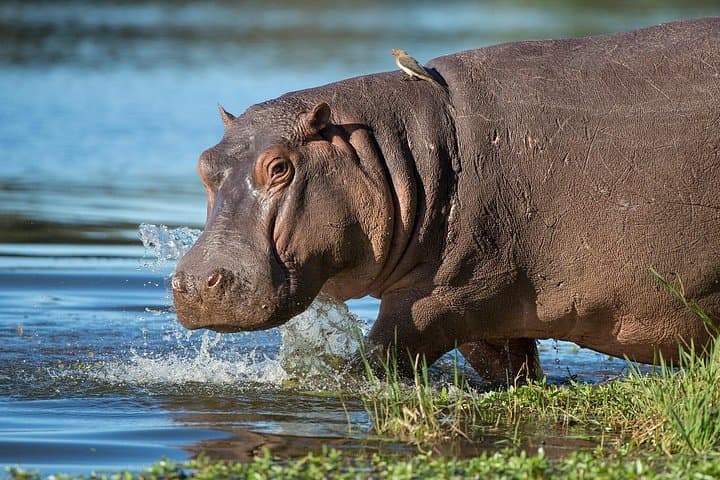

The boat eases away from the jetty and the estuary swallows the noise: water slips past the hull and bulks of hippo begin to surface like slow-moving islands. In the pale light the reeds and mangroves take on hard edges, and a crocodile basks on a bank, barely a roll away from the boat. That close proximity—hippos surfacing meters off the bow, crocs sunning themselves—defines the half-day Isimangaliso cruise.
The boat eases away from the jetty and the estuary swallows the noise: water slips past the hull and bulks of hippo begin to surface like slow-moving islands. In the pale light the reeds and mangroves take on hard edges, and a crocodile basks on a bank, barely a roll away from the boat. That close proximity—hippos surfacing meters off the bow, crocs sunning themselves—defines the half-day Isimangaliso cruise.
Isimangaliso Wetland Park, designated a UNESCO World Heritage Site in 1999, is a layered place: coastal dune fields meet tidal estuary, and centuries of Zulu fishing tradition mix with colonial-era maps. The estuary’s shape is a product of coastal currents and sediment deposition, producing broad channels that funnel birds and fish through narrow mangrove corridors. Local guides often point out how communities around St Lucia have long read the water to know where fish and shrimp will run.
Practically, the tour departs Durban early and runs about seven hours including transfers and a short lunch. Expect calm, shallow waters on the estuary but bring sun protection and motion-sickness remedies if you’re prone—wildlife is most active in the cooler morning and late-afternoon windows. Boats are typically low-slung for close viewing; follow guide instructions for distance and noise control. Photography is rewarding but keep telephoto lenses ready to avoid crowding the animals. Accessibility is generally good—many operators provide hotel and port pick-ups and wheelchair-accessible options—yet boarding a small craft requires steady footing. The cruise is an efficient way to see hippos, crocodiles, mangroves and prolific birdlife in a protected, culturally significant landscape.