THE ADVENTURE COLLECTIVE® · Independent discovery and booking for outdoor travel

Explore three distinct reef environments off Isla Mujeres—the Lighthouse reef, the underwater sculptures of MUSA, and the vast Manchones reef—on a focused 3-hour snorkeling tour. Expect short boat transfers, supplied snorkel gear, and a post-dive ceviche on deck.
Explore three distinct reef environments off Isla Mujeres—the Lighthouse reef, the underwater sculptures of MUSA, and the vast Manchones reef—on a focused 3-hour snorkeling tour. Expect short boat transfers, supplied snorkel gear, and a post-dive ceviche on deck.
The boat slips away from Isla Mujeres’ small harbor and the Caribbean opens wide: a gradient of turquoise that dares you to jump in.
Verified experiences and guided adventures in the surrounding area.
Operated by Island Adventures Mexico · Isla Mujeres, Quintana Roo
The boat slips away from Isla Mujeres’ small harbor and the Caribbean opens wide: a gradient of turquoise that dares you to jump in.
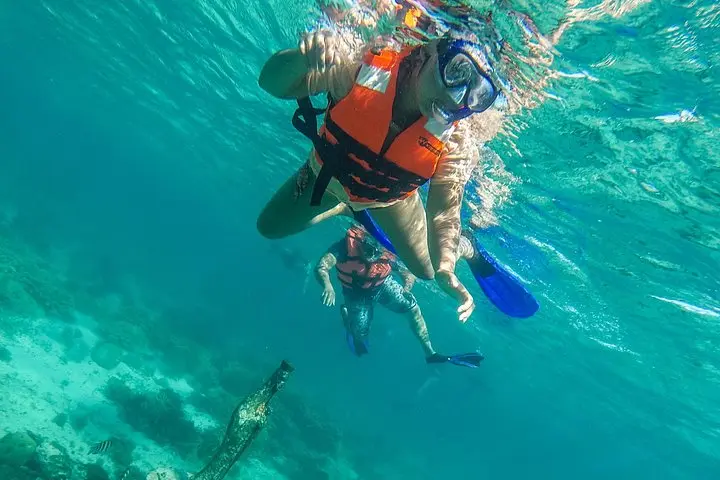
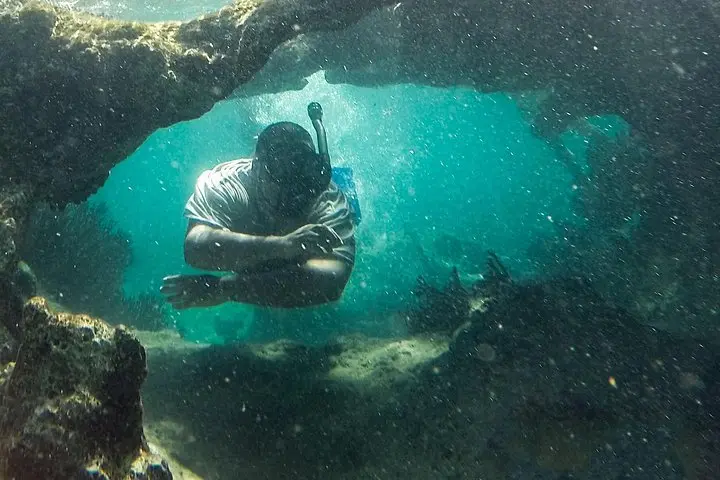
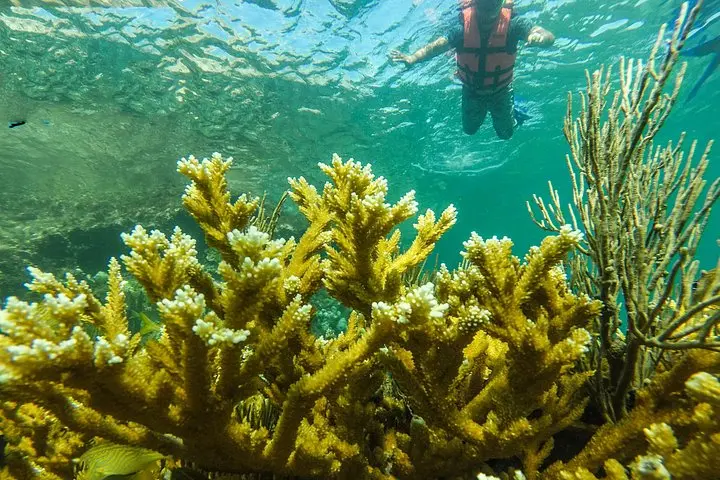
You’ll touch down at three distinct marine stages—an airy shallow patch near the island’s historic lighthouse, the famous Museo Subacuático de Arte (MUSA) with its submerged sculptures, and Manchones, the island’s largest living reef—each one a different page in the sea’s story. The underwater terrain here is classic Caribbean: low-relief limestone substrate punctuated by coral heads, seagrass beds, and channels where currents sweep plankton through feeding lines of parrotfish and snapper.
Isla Mujeres has long been a fishing village whose economy shifted toward conservation-led tourism; MUSA was installed to both showcase contemporary art and give new structure for coral recruitment. Local culture meets marine science on board—the crew serves ceviche and cold margaritas while briefing on reef etiquette.
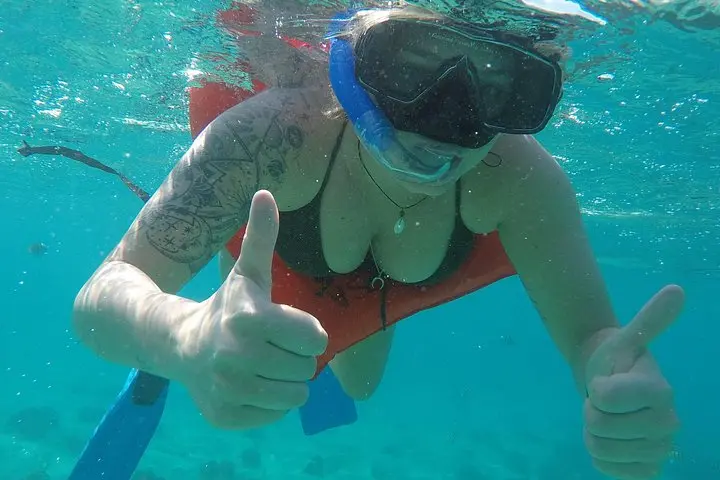
Practically, expect a three-hour shared-boat outing with short hops between sites (usually under 20 minutes each), calm-to-moderate seas, and visibility often 10–25 meters depending on wind. Operators supply snorkel tubes and basic gear; bring a well-fitting mask, reef-safe sunscreen, and a light rashguard for sun and chafing protection. Mornings generally offer the calmest water and best light for photos; late-afternoon tours can have more chop.
Plan for basic swimming ability, keep hands off corals, and pack motion-sickness remedies if you’re prone. Small logistical details—boarding from Hidalgo Ave, short wet entries, and a post-snorkel snack on deck—make this an accessible, high-reward marine outing for most active travelers.
You should be comfortable in the water and able to swim; guides offer quick briefings and basic assistance but are not personal instructors.
Yes—the tour visits the MUSA site at the island’s south point; sculptures are viewable from the surface with good visibility.
There is some open-water transit; people prone to seasickness should medicate beforehand; the tour notes stroller accessibility at the meeting point but water entries are wet and may not suit people with significant mobility issues.
Operators supply snorkel tubes and bottled water; the tour also includes ceviche and sandwiches plus a complimentary margarita on board.
Island Adventures Mexico operates guided outdoor trips and adventures with an emphasis on safety, stewardship, and memorable experiences.
The boat slips away from Isla Mujeres’ small harbor and the Caribbean opens wide: a gradient of turquoise that dares you to jump in.
The boat slips away from Isla Mujeres’ small harbor and the Caribbean opens wide: a gradient of turquoise that dares you to jump in.
You’ll touch down at three distinct marine stages—an airy shallow patch near the island’s historic lighthouse, the famous Museo Subacuático de Arte (MUSA) with its submerged sculptures, and Manchones, the island’s largest living reef—each one a different page in the sea’s story. The underwater terrain here is classic Caribbean: low-relief limestone substrate punctuated by coral heads, seagrass beds, and channels where currents sweep plankton through feeding lines of parrotfish and snapper.
Isla Mujeres has long been a fishing village whose economy shifted toward conservation-led tourism; MUSA was installed to both showcase contemporary art and give new structure for coral recruitment. Local culture meets marine science on board—the crew serves ceviche and cold margaritas while briefing on reef etiquette.
Practically, expect a three-hour shared-boat outing with short hops between sites (usually under 20 minutes each), calm-to-moderate seas, and visibility often 10–25 meters depending on wind. Operators supply snorkel tubes and basic gear; bring a well-fitting mask, reef-safe sunscreen, and a light rashguard for sun and chafing protection. Mornings generally offer the calmest water and best light for photos; late-afternoon tours can have more chop.
Plan for basic swimming ability, keep hands off corals, and pack motion-sickness remedies if you’re prone. Small logistical details—boarding from Hidalgo Ave, short wet entries, and a post-snorkel snack on deck—make this an accessible, high-reward marine outing for most active travelers.