THE ADVENTURE COLLECTIVE® · Independent discovery and booking for outdoor travel

Spend a half day moving between the lagoon’s quiet gardens, candy-colored streets and living glass factories. This guided island-hop combines cultural history, artisan demonstrations and easy walks across three very different Venetian islands.
Spend a half day moving between the lagoon’s quiet gardens, candy-colored streets and living glass factories. This guided island-hop combines cultural history, artisan demonstrations and easy walks across three very different Venetian islands.
A light breeze from the Venetian Lagoon lifts a silver of spray as the boat pulls away from Fondamenta Nove. You glide past low reed banks, the islands appearing like stages—Mazzorbo quiet and green, Burano a riot of painted facades, Murano hissing with the heat of glass furnaces. The tour moves at human speed: walking, watching, and listening to the water lap at boat hulls.
Verified experiences and guided adventures in the surrounding area.
Operated by deTourist Venice Valerio Coppo · Venice, Veneto
A light breeze from the Venetian Lagoon lifts a silver of spray as the boat pulls away from Fondamenta Nove. You glide past low reed banks, the islands appearing like stages—Mazzorbo quiet and green, Burano a riot of painted facades, Murano hissing with the heat of glass furnaces. The tour moves at human speed: walking, watching, and listening to the water lap at boat hulls.
These islands trace a history of trade and craft. Mazzorbo’s gardens and ancient vineyards recall a pastoral side of lagoon life; Burano’s bright houses and lace ateliers reflect centuries of fishing, salt trade and artisanal skill; Murano’s glassworks mark the island’s central role in European glassmaking since the 13th century. Geologically the lagoon is shallow and dynamic—silt and tidal flows shape the channels and the narrow causeways that link small communities.
Culturally this is a people-powered landscape: fishermen, lace makers and glass artisans still shape daily rhythms, and Byzantine mosaics and Renaissance altarpieces appear where craftsmen once funded churches. Wildlife is subtle—waders pick at mudflats, gulls ride the thermals above canals.
Practical guidance: wear closed-toe walking shoes for cobbled alleys and docks, bring a light waterproof layer for sudden spray or rain, and carry water—shops are available but limited on the smaller islands. Aim for morning departures to avoid peak crowds and to catch the glassblowing demos while artisans are at work. The tour is low-impact and walkable; keep a respectful distance at active workshops, and consider public transport back to Venice to extend your evening in the city.
The meeting point is at the well in the internal yard of the COMBO premises near Fondamenta Nove in Venice; the tour ends in Murano where you can return to Venice by vaporetto.
Yes—visits include an artisan workshop where you can watch lampworking and glassblowing demonstrations, though some factories may restrict photography.
Yes—infants and small children can use a pram or stroller, but expect steps and uneven surfaces on some islands.
Some travelers staying outside Venice may be required to pay a €5 access fee on certain dates—check local regulations and exemptions before travel.
deTourist Venice Valerio Coppo operates guided outdoor trips and adventures with an emphasis on safety, stewardship, and memorable experiences.
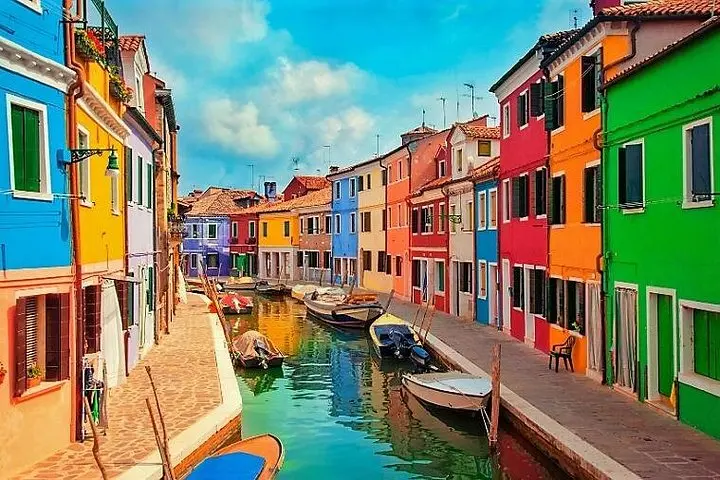
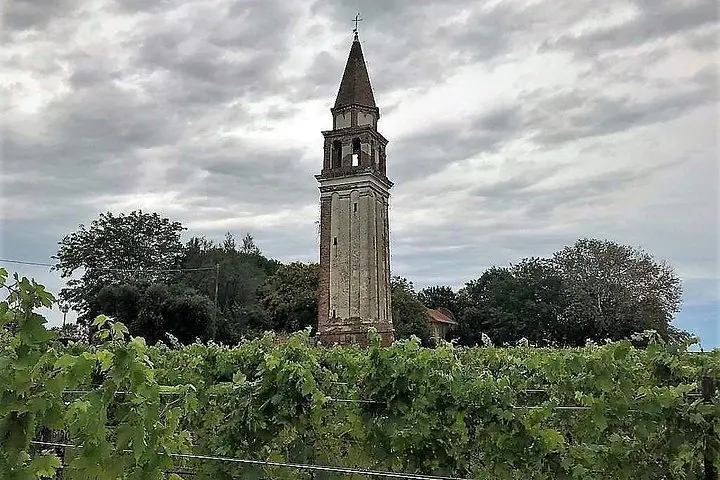
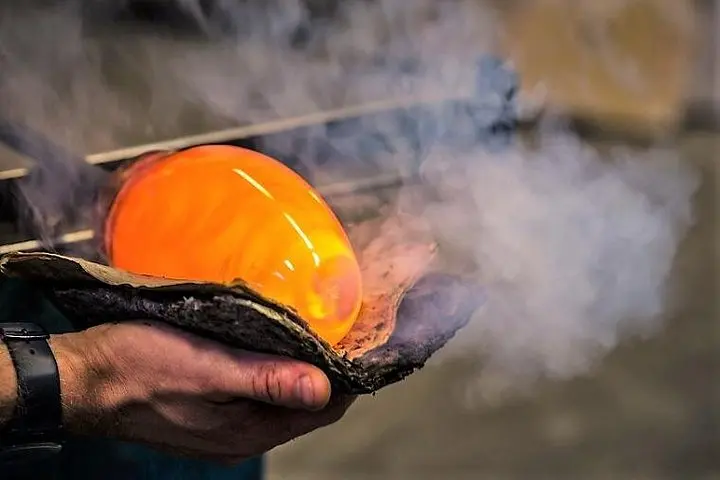
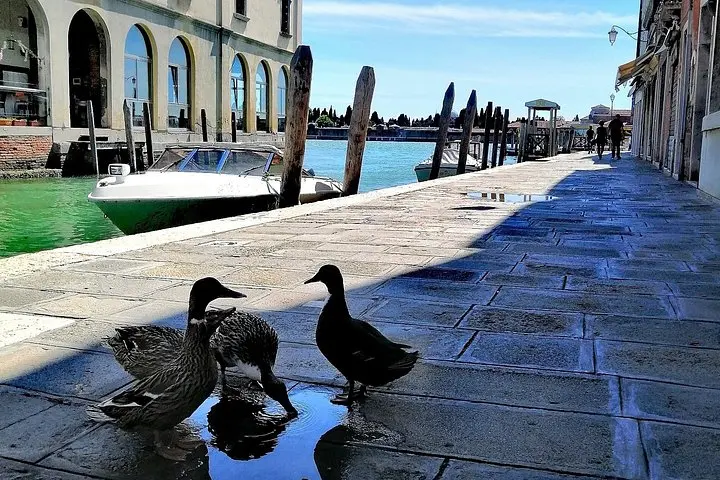
A light breeze from the Venetian Lagoon lifts a silver of spray as the boat pulls away from Fondamenta Nove. You glide past low reed banks, the islands appearing like stages—Mazzorbo quiet and green, Burano a riot of painted facades, Murano hissing with the heat of glass furnaces. The tour moves at human speed: walking, watching, and listening to the water lap at boat hulls.
A light breeze from the Venetian Lagoon lifts a silver of spray as the boat pulls away from Fondamenta Nove. You glide past low reed banks, the islands appearing like stages—Mazzorbo quiet and green, Burano a riot of painted facades, Murano hissing with the heat of glass furnaces. The tour moves at human speed: walking, watching, and listening to the water lap at boat hulls.
These islands trace a history of trade and craft. Mazzorbo’s gardens and ancient vineyards recall a pastoral side of lagoon life; Burano’s bright houses and lace ateliers reflect centuries of fishing, salt trade and artisanal skill; Murano’s glassworks mark the island’s central role in European glassmaking since the 13th century. Geologically the lagoon is shallow and dynamic—silt and tidal flows shape the channels and the narrow causeways that link small communities.
Culturally this is a people-powered landscape: fishermen, lace makers and glass artisans still shape daily rhythms, and Byzantine mosaics and Renaissance altarpieces appear where craftsmen once funded churches. Wildlife is subtle—waders pick at mudflats, gulls ride the thermals above canals.
Practical guidance: wear closed-toe walking shoes for cobbled alleys and docks, bring a light waterproof layer for sudden spray or rain, and carry water—shops are available but limited on the smaller islands. Aim for morning departures to avoid peak crowds and to catch the glassblowing demos while artisans are at work. The tour is low-impact and walkable; keep a respectful distance at active workshops, and consider public transport back to Venice to extend your evening in the city.