THE ADVENTURE COLLECTIVE® · Independent discovery and booking for outdoor travel

Hop a boat from Maputo to three low islands where clear water, shallow reefs and village markets define the pace. This full-day island-hopping trip pairs guided snorkeling with local culture and easy coastal walks.
Hop a boat from Maputo to three low islands where clear water, shallow reefs and village markets define the pace. This full-day island-hopping trip pairs guided snorkeling with local culture and easy coastal walks.
You push off from Maputo Bay before the heat peaks and the water immediately takes charge, a cool, salty push under a sky the color of tin. Within an hour the city drops behind you and low islands—sliced beaches, rocky outcrops, coconut palms—slide into view. On Inhaca, the shore smells of salt and smoked fish; on Portuguese Island the water is so clear you can read the reef profile from the dinghy.
Verified experiences and guided adventures in the surrounding area.
Operated by Trip to Mozambique · Maputo, Maputo Province
You push off from Maputo Bay before the heat peaks and the water immediately takes charge, a cool, salty push under a sky the color of tin. Within an hour the city drops behind you and low islands—sliced beaches, rocky outcrops, coconut palms—slide into view. On Inhaca, the shore smells of salt and smoked fish; on Portuguese Island the water is so clear you can read the reef profile from the dinghy.
These islands occupy the southern edge of the East African coast where Pleistocene sands meet younger coral growth. Portuguese mariners and Portuguese colonial outposts once used these channels; today small fishing villages and a protected marine reserve shape local life. Guides point out tidal channels, ancient rock ledges, and the way the Mozambique Current scours the reefs, bringing nutrient-rich water that feeds corals and the fish that follow.
Expect a day paced around swims, a guided snorkel on shallow reefs, a village market stroll, and a seafood lunch prepared by island cooks. Trails are short and sandy; tidal flats can open walkable connections between rocks when the tide allows. Snorkeling visits highlight branching and boulder corals and resident reef fish; turtle and dolphin sightings are possible but not guaranteed.
Practical notes: pack reef-safe sunscreen, water shoes for walking on rock and shell, a dry bag for electronics, and a wind layer for the return boat ride. Bring cash for simple crafts at village markets and be ready for basic facilities—this trip is about sea, sand, and hands-on local culture rather than comfort. Timing your day with the tides and mid-morning light will give you the best snorkeling and photos.
Basic snorkeling equipment (mask, snorkel, vest) is usually included; confirm with the operator if you prefer a personal mask or fins.
Transfers are typically on small motorboats; they can be smooth in calm weather but expect spray and some motion—bring a jacket if prone to seasickness.
A traditional seafood lunch is included; small markets on Inhaca sell crafts and snacks but facilities are basic—carry cash for purchases.
Parts of the area are within marine protected zones with restrictions on collecting and anchoring; guides follow local conservation rules to minimize impact.
Trip to Mozambique operates guided outdoor trips and adventures with an emphasis on safety, stewardship, and memorable experiences.
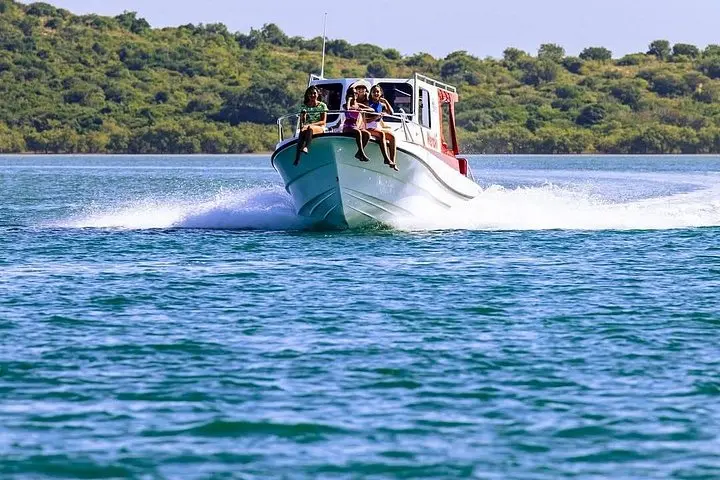
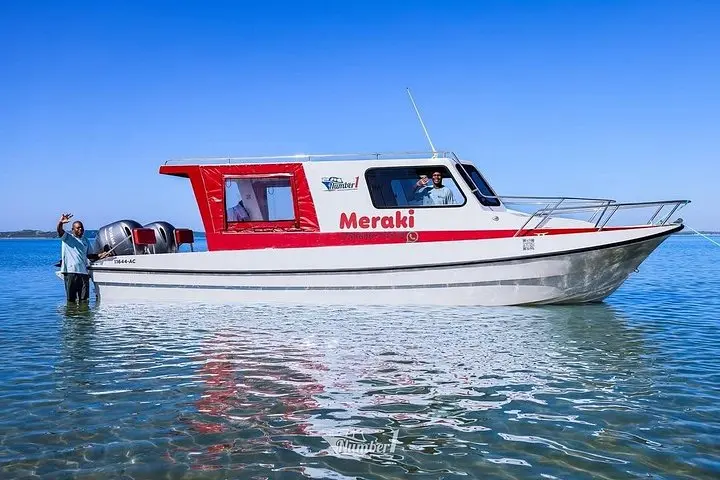
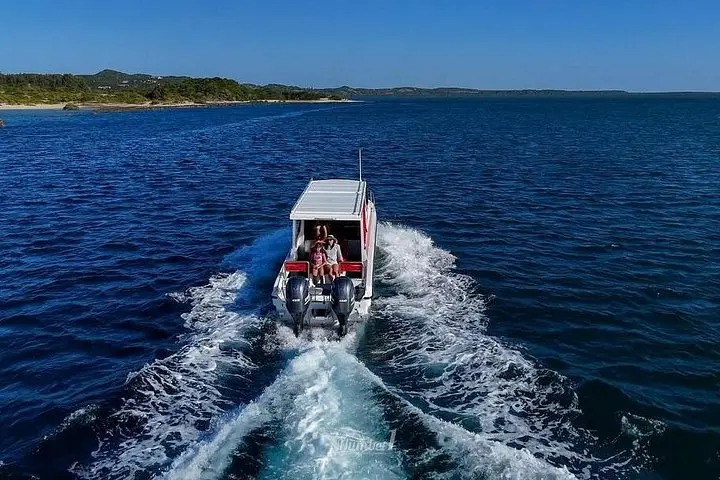
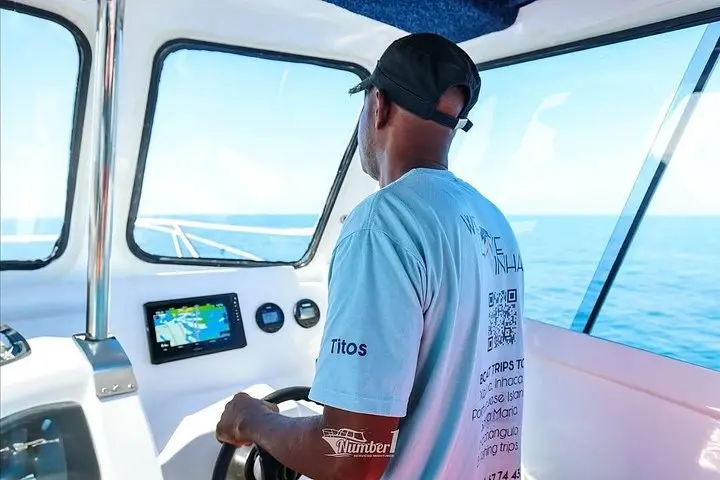
You push off from Maputo Bay before the heat peaks and the water immediately takes charge, a cool, salty push under a sky the color of tin. Within an hour the city drops behind you and low islands—sliced beaches, rocky outcrops, coconut palms—slide into view. On Inhaca, the shore smells of salt and smoked fish; on Portuguese Island the water is so clear you can read the reef profile from the dinghy.
You push off from Maputo Bay before the heat peaks and the water immediately takes charge, a cool, salty push under a sky the color of tin. Within an hour the city drops behind you and low islands—sliced beaches, rocky outcrops, coconut palms—slide into view. On Inhaca, the shore smells of salt and smoked fish; on Portuguese Island the water is so clear you can read the reef profile from the dinghy.
These islands occupy the southern edge of the East African coast where Pleistocene sands meet younger coral growth. Portuguese mariners and Portuguese colonial outposts once used these channels; today small fishing villages and a protected marine reserve shape local life. Guides point out tidal channels, ancient rock ledges, and the way the Mozambique Current scours the reefs, bringing nutrient-rich water that feeds corals and the fish that follow.
Expect a day paced around swims, a guided snorkel on shallow reefs, a village market stroll, and a seafood lunch prepared by island cooks. Trails are short and sandy; tidal flats can open walkable connections between rocks when the tide allows. Snorkeling visits highlight branching and boulder corals and resident reef fish; turtle and dolphin sightings are possible but not guaranteed.
Practical notes: pack reef-safe sunscreen, water shoes for walking on rock and shell, a dry bag for electronics, and a wind layer for the return boat ride. Bring cash for simple crafts at village markets and be ready for basic facilities—this trip is about sea, sand, and hands-on local culture rather than comfort. Timing your day with the tides and mid-morning light will give you the best snorkeling and photos.