THE ADVENTURE COLLECTIVE® · Independent discovery and booking for outdoor travel

This 20‑day expedition pairs the classic Everest Base Camp trek with a technical ascent of Island Peak (Imja Tse). Expect high‑altitude trekking, glacier travel, Sherpa culture, and a demanding summit day above 6,000 m.
This 20‑day expedition pairs the classic Everest Base Camp trek with a technical ascent of Island Peak (Imja Tse). Expect high‑altitude trekking, glacier travel, Sherpa culture, and a demanding summit day above 6,000 m.
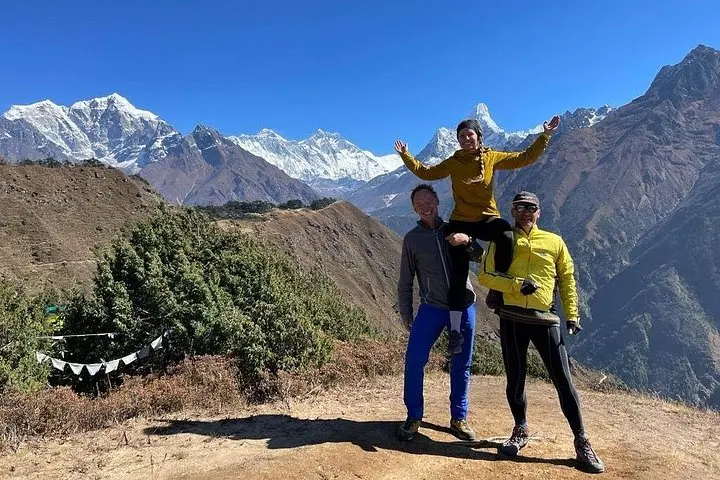
At first light above Kathmandu you feel the city loosen its grip as the plane threads a corridor of peaks toward Lukla; by the second day you are walking beside the Dudh Kosi, bridges clacking beneath boots and the valley sky pulling you upward. Over tea in Namche and prayer flags at Tengboche the trip shifts from highland hospitality to thin-air arithmetic — every step gains altitude and perspective.
Verified experiences and guided adventures in the surrounding area.
Operated by Trekking Planner Nepal · Chhukung, Solukhumbu
At first light above Kathmandu you feel the city loosen its grip as the plane threads a corridor of peaks toward Lukla; by the second day you are walking beside the Dudh Kosi, bridges clacking beneath boots and the valley sky pulling you upward. Over tea in Namche and prayer flags at Tengboche the trip shifts from highland hospitality to thin-air arithmetic — every step gains altitude and perspective.
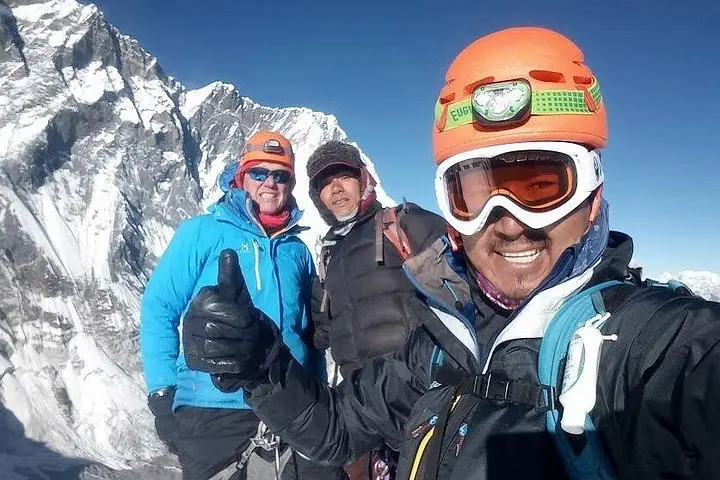
This itinerary combines classic Everest‑region trekking (Kathmandu → Lukla → Namche Bazaar → Gorakshep / EBC → Kala Patthar) with a technical ascent of Imja Tse (commonly called Island Peak), a 6,100–6,200 m alpine summit requiring crampons, fixed rope sections and glacier travel. The route threads glacial moraines, rhododendron and pine forests, and the exposed Khumbu Glacier morass below the icefall. Sherpa communities and Buddhist monasteries like Tengboche punctuate the route; the landscape sits on young Himalayan geology—uplifted sedimentary and metamorphic rock folded against soaring granitic massifs.
Practical edge: altitude, not distance, is the challenge. The program built-in acclimatization days at Namche and Pheriche are essential. Expect long walking days (4–7 hours typical, summit day 12+ hours round trip), basic lodges until the Island Peak basecamp where tented camping is used, and a very early alpine start on summit day. Hydrate, keep calories up, and be competent with crampons and basic rope work or rely on the provided climbing Sherpa. Weather can flip fast; pack for high UV, strong wind, and subzero nights. With steady pacing and the right kit, the payoff is a summit view that looks into Everest’s neighborhood — immediate, vast and uncompromising.
Basic alpine skills are highly recommended—comfortable use of crampons, ice axe and fixed‑line travel—though many climbers do the trip with professional Sherpa guidance and pre‑trip training.
The summit push uses a high camp above ~5,400 m and the summit is ~6,180–6,190 m; expect a long summit day of 10–14 hours round trip from high camp, with steep snow/ice sections and ~700–900 m vertical gain from high camp.
Kathmandu hotels are 3‑star level; lodges (guesthouses) along the trek provide basic twin rooms and communal meals; Island Peak base/high camps use tents with meals prepared by the crew (full board on trek/climb included in this program).
Very weather‑dependent—Lukla flights are frequently delayed or canceled for low visibility and strong winds; the itinerary includes a contingency day in Kathmandu for this reason.
Trekking Planner Nepal operates guided outdoor trips and adventures with an emphasis on safety, stewardship, and memorable experiences.
At first light above Kathmandu you feel the city loosen its grip as the plane threads a corridor of peaks toward Lukla; by the second day you are walking beside the Dudh Kosi, bridges clacking beneath boots and the valley sky pulling you upward. Over tea in Namche and prayer flags at Tengboche the trip shifts from highland hospitality to thin-air arithmetic — every step gains altitude and perspective.
At first light above Kathmandu you feel the city loosen its grip as the plane threads a corridor of peaks toward Lukla; by the second day you are walking beside the Dudh Kosi, bridges clacking beneath boots and the valley sky pulling you upward. Over tea in Namche and prayer flags at Tengboche the trip shifts from highland hospitality to thin-air arithmetic — every step gains altitude and perspective.
This itinerary combines classic Everest‑region trekking (Kathmandu → Lukla → Namche Bazaar → Gorakshep / EBC → Kala Patthar) with a technical ascent of Imja Tse (commonly called Island Peak), a 6,100–6,200 m alpine summit requiring crampons, fixed rope sections and glacier travel. The route threads glacial moraines, rhododendron and pine forests, and the exposed Khumbu Glacier morass below the icefall. Sherpa communities and Buddhist monasteries like Tengboche punctuate the route; the landscape sits on young Himalayan geology—uplifted sedimentary and metamorphic rock folded against soaring granitic massifs.
Practical edge: altitude, not distance, is the challenge. The program built-in acclimatization days at Namche and Pheriche are essential. Expect long walking days (4–7 hours typical, summit day 12+ hours round trip), basic lodges until the Island Peak basecamp where tented camping is used, and a very early alpine start on summit day. Hydrate, keep calories up, and be competent with crampons and basic rope work or rely on the provided climbing Sherpa. Weather can flip fast; pack for high UV, strong wind, and subzero nights. With steady pacing and the right kit, the payoff is a summit view that looks into Everest’s neighborhood — immediate, vast and uncompromising.