THE ADVENTURE COLLECTIVE® · Independent discovery and booking for outdoor travel

Escape Glasgow for a full‑day loop around the Isle of Bute: a short ferry crossing, admission to Mount Stuart, seaside promenades in Rothesay and guided coastal stops. This small‑group tour blends architecture, light hiking and quiet beaches into a single day of Scottish island scenery.
Escape Glasgow for a full‑day loop around the Isle of Bute: a short ferry crossing, admission to Mount Stuart, seaside promenades in Rothesay and guided coastal stops. This small‑group tour blends architecture, light hiking and quiet beaches into a single day of Scottish island scenery.
A salt-laced wind meets the coach as you leave Glasgow, and by late morning the Firth of Clyde opens like a moving map — the ferry nudges you toward Rothesay while the island waits with low hills and beaches. The day unfurls on a gentle pace: a scenic coach ride to Wemyss Bay, a thirty-minute crossing, then a circuit of Bute's seaside town, gardens and headlands.
Verified experiences and guided adventures in the surrounding area.
Operated by Rabbies Trail Burners · Rothesay, Argyll and Bute
A salt-laced wind meets the coach as you leave Glasgow, and by late morning the Firth of Clyde opens like a moving map — the ferry nudges you toward Rothesay while the island waits with low hills and beaches. The day unfurls on a gentle pace: a scenic coach ride to Wemyss Bay, a thirty-minute crossing, then a circuit of Bute's seaside town, gardens and headlands.
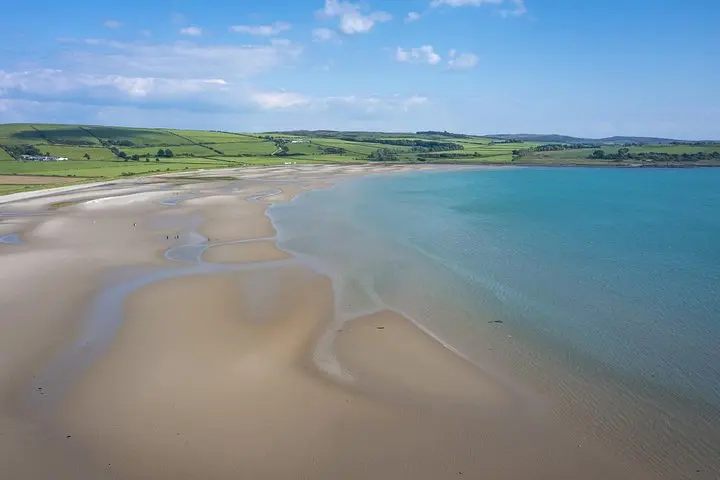
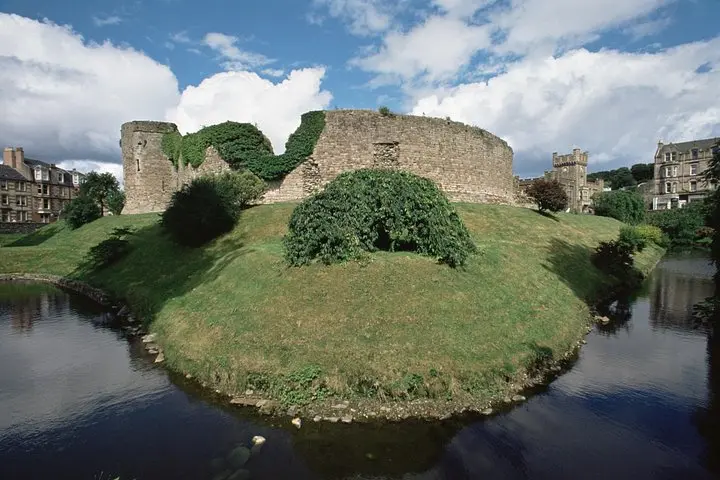
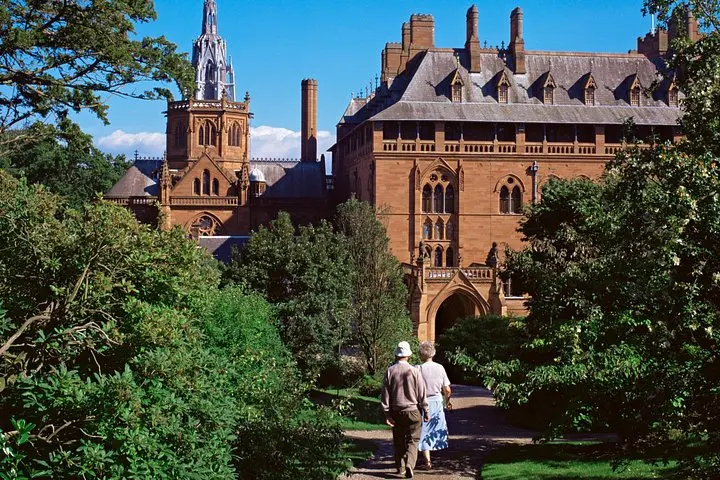
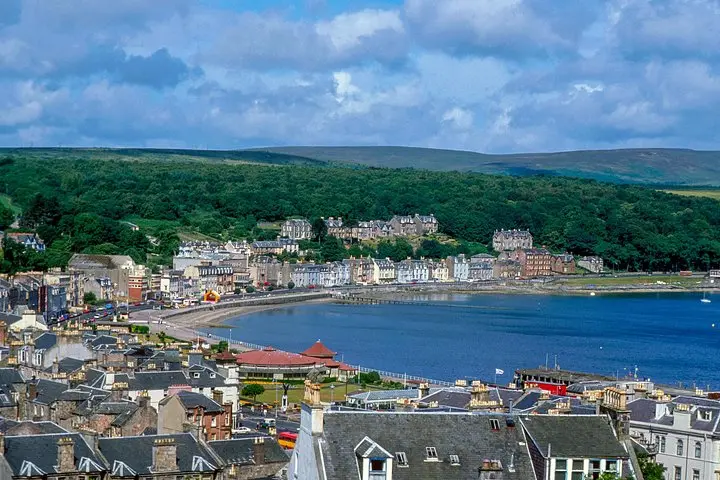
Mount Stuart is the headline: a 19th-century neo‑Gothic house rebuilt in 1877, once cutting‑edge with house electricity and an indoor heated pool. The estate sits on volcanic and sedimentary rock, with manicured lawns giving way to moorland rills and rocky shorelines; geology here shapes small headlands and sandy bays. Rothesay’s promenade and castle ruins speak to a Victorian holiday culture that grew around Clyde steamers, while local crofters and fishermen long harvested kelp and shellfish along the coast.
Practicalities are straightforward. The full tour runs about 10–11 hours and includes admission to Mount Stuart and transport by Mercedes mini‑coach with max 16 people. Expect 2–4 miles of walking on gravel paths, garden terraces and uneven beach stone with modest elevation gains under 100 m on short sections. Seas can be choppy — bring layers and motion‑sickness remedies if you’re prone.
Plan for changeable Scottish weather, limited luggage allowance (about 14 kg), and pockets of free time in Rothesay to eat, shop or climb the castle mound. The island is compact but varied: beaches daring you to linger, woods that hush you, and a house full of carved stone and history to explore.
The ferry from Wemyss Bay to Rothesay takes roughly 30–40 minutes depending on conditions.
Yes — admission to Mount Stuart House and Gardens is included in the tour price.
Yes — the itinerary includes free time in Rothesay to purchase lunch at cafés, pubs or takeaways; bringing snacks is also recommended.
Children aged 5 and over may participate; children under 5 are not carried on this tour.
Rabbies Trail Burners operates guided outdoor trips and adventures with an emphasis on safety, stewardship, and memorable experiences.
A salt-laced wind meets the coach as you leave Glasgow, and by late morning the Firth of Clyde opens like a moving map — the ferry nudges you toward Rothesay while the island waits with low hills and beaches. The day unfurls on a gentle pace: a scenic coach ride to Wemyss Bay, a thirty-minute crossing, then a circuit of Bute's seaside town, gardens and headlands.
A salt-laced wind meets the coach as you leave Glasgow, and by late morning the Firth of Clyde opens like a moving map — the ferry nudges you toward Rothesay while the island waits with low hills and beaches. The day unfurls on a gentle pace: a scenic coach ride to Wemyss Bay, a thirty-minute crossing, then a circuit of Bute's seaside town, gardens and headlands.
Mount Stuart is the headline: a 19th-century neo‑Gothic house rebuilt in 1877, once cutting‑edge with house electricity and an indoor heated pool. The estate sits on volcanic and sedimentary rock, with manicured lawns giving way to moorland rills and rocky shorelines; geology here shapes small headlands and sandy bays. Rothesay’s promenade and castle ruins speak to a Victorian holiday culture that grew around Clyde steamers, while local crofters and fishermen long harvested kelp and shellfish along the coast.
Practicalities are straightforward. The full tour runs about 10–11 hours and includes admission to Mount Stuart and transport by Mercedes mini‑coach with max 16 people. Expect 2–4 miles of walking on gravel paths, garden terraces and uneven beach stone with modest elevation gains under 100 m on short sections. Seas can be choppy — bring layers and motion‑sickness remedies if you’re prone.
Plan for changeable Scottish weather, limited luggage allowance (about 14 kg), and pockets of free time in Rothesay to eat, shop or climb the castle mound. The island is compact but varied: beaches daring you to linger, woods that hush you, and a house full of carved stone and history to explore.