THE ADVENTURE COLLECTIVE® · Independent discovery and booking for outdoor travel

Cover three of northern Kyrgyzstan's highlights in a single day: the red-walled Kok Moinok Canyon, the sweeping shores of Issyk-Kul Lake, and the ancient Burana Tower. Ideal for travelers who want maximum variety on a tight schedule.
Cover three of northern Kyrgyzstan's highlights in a single day: the red-walled Kok Moinok Canyon, the sweeping shores of Issyk-Kul Lake, and the ancient Burana Tower. Ideal for travelers who want maximum variety on a tight schedule.
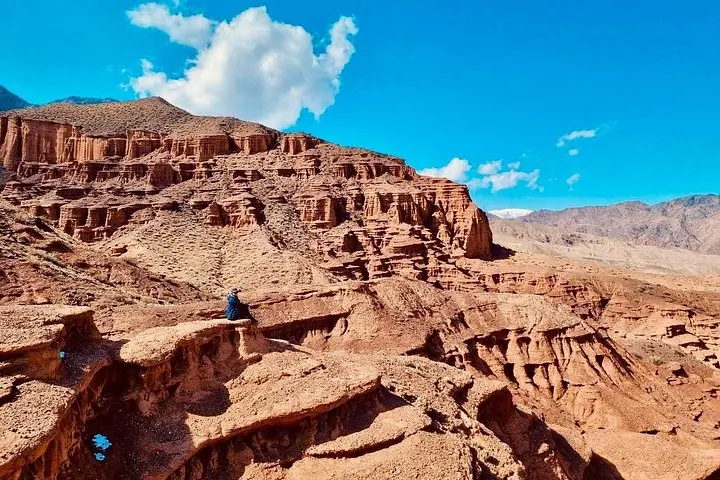
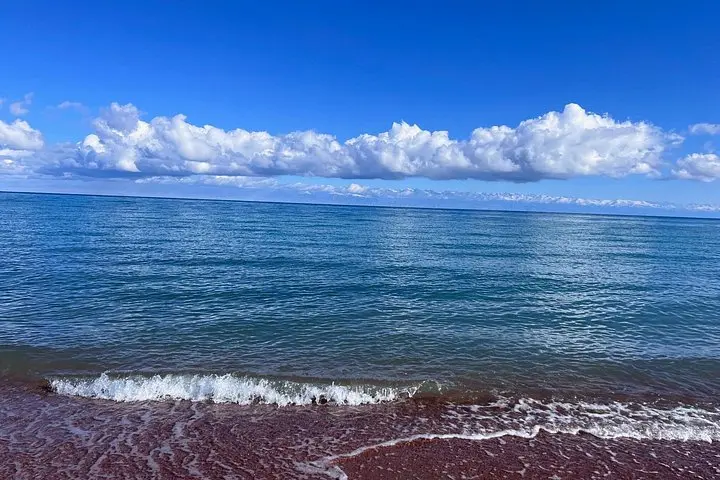
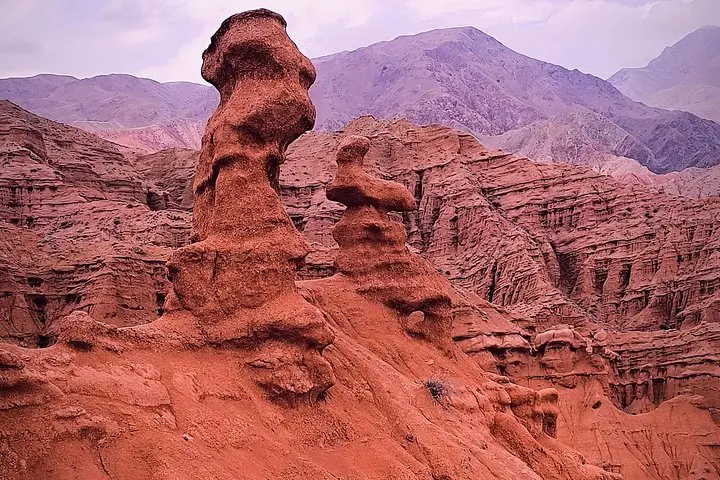
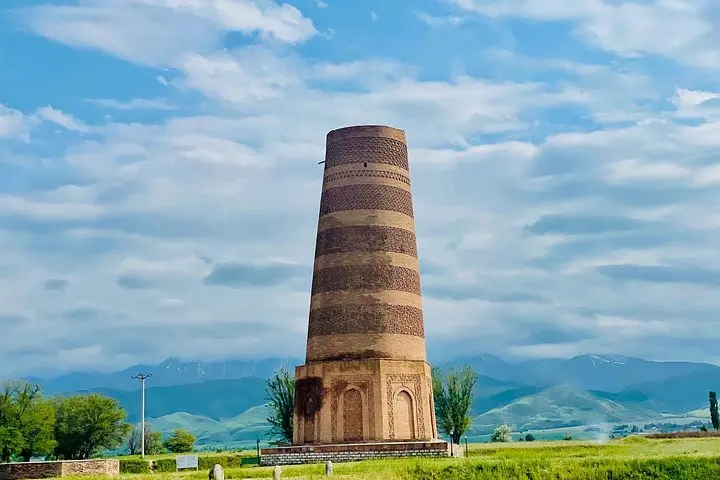
The road unwinds out of Bishkek and the landscape shifts: wheat fields give way to steep rock walls as the Chu River forces its way through Boom Gorge. Wind-sanded red cliffs of Kok Moinok rise like folded pages of the earth; the canyon pushes you into narrow corridors and sudden viewpoints. Later the Tien Shan frame a vast bowl of water — Issyk-Kul, an alpine lake that stays open year-round, its beaches threaded with pale sand and slow-smoothed pebbles. The day closes at Burana, where a lean, ancient minaret watches the Chuy Valley and reminds you this route once carried Silk Road caravans.
Verified experiences and guided adventures in the surrounding area.
Operated by Atlas.kg · Bishkek, Chuy Region
The road unwinds out of Bishkek and the landscape shifts: wheat fields give way to steep rock walls as the Chu River forces its way through Boom Gorge. Wind-sanded red cliffs of Kok Moinok rise like folded pages of the earth; the canyon pushes you into narrow corridors and sudden viewpoints. Later the Tien Shan frame a vast bowl of water — Issyk-Kul, an alpine lake that stays open year-round, its beaches threaded with pale sand and slow-smoothed pebbles. The day closes at Burana, where a lean, ancient minaret watches the Chuy Valley and reminds you this route once carried Silk Road caravans.
Geology here is blunt and recent: river-carved gorges and lake basins scarred by tectonic action and glacial sculpting. Burana is a 11th-century relic of the Karakhanid state, surrounded by balbals and grave markers that map centuries of nomad life. Local culture still blends pastoral Kyrgyz traditions with small-town market rhythms; the lunch on this tour is a regional kattama layered bread and tea.
Practical guidance: expect a long day in a 4x4, with multiple short walks and one 90-minute canyon visit that involves uneven footing and exposed ledges. Bring sun protection and at least 2 liters of water, and plan for variable winds along Issyk-Kul. Photography windows are frequent but fleeting — arrive at viewpoints early in the day for softer light. For evenings, pack a warm layer: mountain air cools fast even after summer heat. The route is efficient for travelers short on time but still rewards a slower return visit if you want to hike deeper or swim off the beaten path.
The tour is approximately 10 hours and typically departs from and returns to Bishkek; exact pickup point is confirmed at booking.
Yes, admission to Burana Tower is included on this itinerary; other optional site fees or services may not be.
Kok Moinok involves uneven terrain and short climbs; children or those with mobility restrictions should be supervised and may prefer to stay on main viewpoints.
You can swim from public beaches on the northern shore weather permitting, but swims are brief due to schedule constraints and boat rentals are not included.
Atlas.kg operates guided outdoor trips and adventures with an emphasis on safety, stewardship, and memorable experiences.
The road unwinds out of Bishkek and the landscape shifts: wheat fields give way to steep rock walls as the Chu River forces its way through Boom Gorge. Wind-sanded red cliffs of Kok Moinok rise like folded pages of the earth; the canyon pushes you into narrow corridors and sudden viewpoints. Later the Tien Shan frame a vast bowl of water — Issyk-Kul, an alpine lake that stays open year-round, its beaches threaded with pale sand and slow-smoothed pebbles. The day closes at Burana, where a lean, ancient minaret watches the Chuy Valley and reminds you this route once carried Silk Road caravans.
The road unwinds out of Bishkek and the landscape shifts: wheat fields give way to steep rock walls as the Chu River forces its way through Boom Gorge. Wind-sanded red cliffs of Kok Moinok rise like folded pages of the earth; the canyon pushes you into narrow corridors and sudden viewpoints. Later the Tien Shan frame a vast bowl of water — Issyk-Kul, an alpine lake that stays open year-round, its beaches threaded with pale sand and slow-smoothed pebbles. The day closes at Burana, where a lean, ancient minaret watches the Chuy Valley and reminds you this route once carried Silk Road caravans.
Geology here is blunt and recent: river-carved gorges and lake basins scarred by tectonic action and glacial sculpting. Burana is a 11th-century relic of the Karakhanid state, surrounded by balbals and grave markers that map centuries of nomad life. Local culture still blends pastoral Kyrgyz traditions with small-town market rhythms; the lunch on this tour is a regional kattama layered bread and tea.
Practical guidance: expect a long day in a 4x4, with multiple short walks and one 90-minute canyon visit that involves uneven footing and exposed ledges. Bring sun protection and at least 2 liters of water, and plan for variable winds along Issyk-Kul. Photography windows are frequent but fleeting — arrive at viewpoints early in the day for softer light. For evenings, pack a warm layer: mountain air cools fast even after summer heat. The route is efficient for travelers short on time but still rewards a slower return visit if you want to hike deeper or swim off the beaten path.