THE ADVENTURE COLLECTIVE® · Independent discovery and booking for outdoor travel

A single-day circuit from Bishkek that pairs medieval ruins, red sandstone canyons and the high shore of Issyk-Kul — a compact taste of Kyrgyz history, geology and nomadic culture with minimal technical hiking.
A single-day circuit from Bishkek that pairs medieval ruins, red sandstone canyons and the high shore of Issyk-Kul — a compact taste of Kyrgyz history, geology and nomadic culture with minimal technical hiking.
Morning light hits the steppe before the road climbs — by mid-morning the Tien Shan rims frame a widening lake and the air sharpens with alpine cool. On this full-day loop from Bishkek you move between eras: a looming brick minaret, red sandstone spires, and the flattened shore of an ancient alpine basin.
Verified experiences and guided adventures in the surrounding area.
Operated by Shy2 Travel · Bishkek, Chuy Region
Morning light hits the steppe before the road climbs — by mid-morning the Tien Shan rims frame a widening lake and the air sharpens with alpine cool. On this full-day loop from Bishkek you move between eras: a looming brick minaret, red sandstone spires, and the flattened shore of an ancient alpine basin.
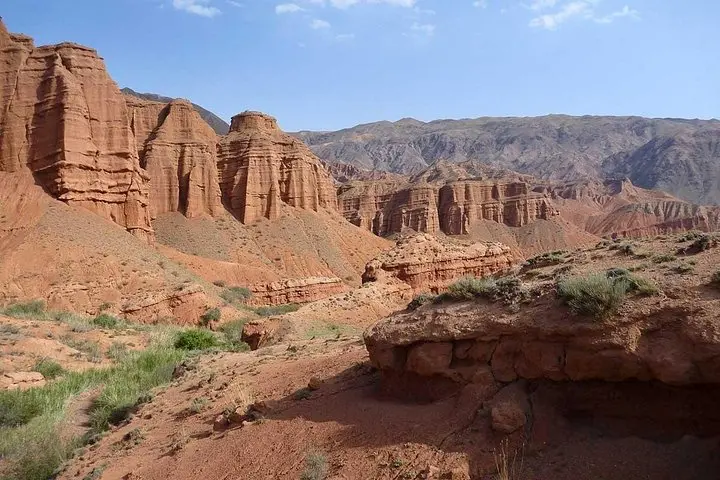
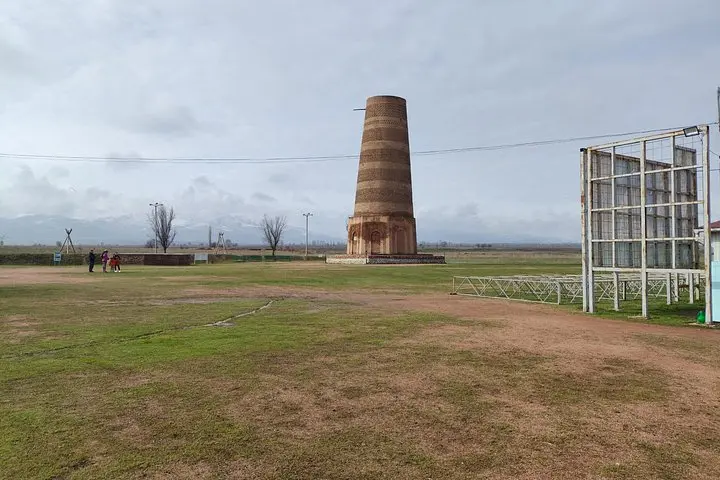
Burana Tower stands first, a remnant of the Karakhanid era where a short climb rewards with views over the Chuy Valley and scattered open-air gravestones. The site’s museum and stone stelae speak to Silk Road crossroads and local nomadic traditions. Further east, the geology changes: Konorchek Canyons are carved from wind-and-water-sculpted sedimentary layers and volcanic deposits, their ochre fins and hoodoos rising like ruined fortresses. Names such as Castle Rock and Bobsleigh Canyon reflect the landscape’s sculpted personality — cliffs that dare you to pick a route and follow a dried riverbed into an amphitheater of spires.
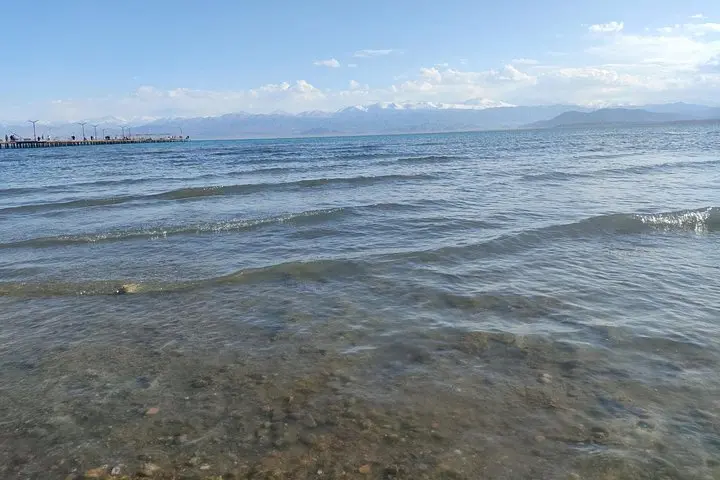
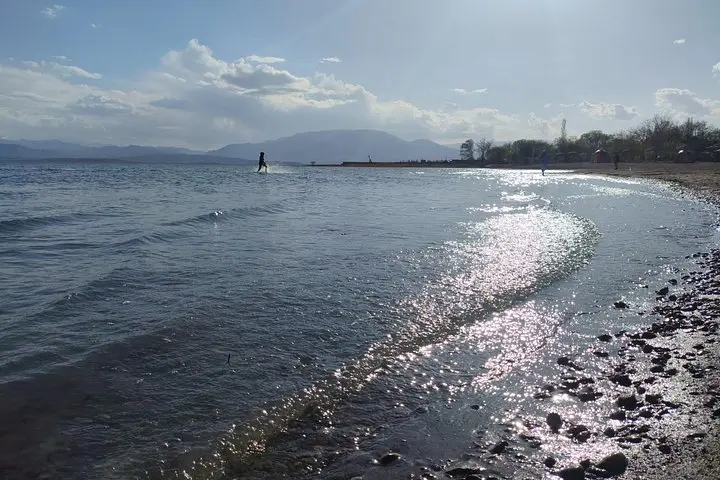
Issyk-Kul closes the day with a contrast — a cold, saline basin ringed by snowfields and summer villages where local cafes serve kattama flatbread and tea. Cultural threads are visible in roadside yurts, Soviet-era memorials, and small museums that collect artifacts from Bronze Age to medieval khanates.
Practical guidance: this is a long, mostly low-technical day (12–13 hours) with short hikes and climbs on uneven ground. Wear sturdy shoes, bring 2–3 liters of water, layered clothing for wind off the lake, and sun protection. Start early to avoid afternoon heat in the canyons and allow time for museum visits and a lakeside break. The route is best attempted with a driver or guide familiar with rural roads and entry logistics.
Expect a 12–13 hour day (approx. 720–780 minutes) including pickup and return to Bishkek.
This tour includes entry to Konorchek Canyons and Burana Tower as noted in the itinerary inclusions.
The route has short climbs and uneven ground; it’s not recommended for people with serious back problems or limited mobility.
Visits typically include a lakeside stop for views and refreshments; swimming time is limited and dependent on the schedule and season.
Shy2 Travel operates guided outdoor trips and adventures with an emphasis on safety, stewardship, and memorable experiences.
Morning light hits the steppe before the road climbs — by mid-morning the Tien Shan rims frame a widening lake and the air sharpens with alpine cool. On this full-day loop from Bishkek you move between eras: a looming brick minaret, red sandstone spires, and the flattened shore of an ancient alpine basin.
Morning light hits the steppe before the road climbs — by mid-morning the Tien Shan rims frame a widening lake and the air sharpens with alpine cool. On this full-day loop from Bishkek you move between eras: a looming brick minaret, red sandstone spires, and the flattened shore of an ancient alpine basin.
Burana Tower stands first, a remnant of the Karakhanid era where a short climb rewards with views over the Chuy Valley and scattered open-air gravestones. The site’s museum and stone stelae speak to Silk Road crossroads and local nomadic traditions. Further east, the geology changes: Konorchek Canyons are carved from wind-and-water-sculpted sedimentary layers and volcanic deposits, their ochre fins and hoodoos rising like ruined fortresses. Names such as Castle Rock and Bobsleigh Canyon reflect the landscape’s sculpted personality — cliffs that dare you to pick a route and follow a dried riverbed into an amphitheater of spires.
Issyk-Kul closes the day with a contrast — a cold, saline basin ringed by snowfields and summer villages where local cafes serve kattama flatbread and tea. Cultural threads are visible in roadside yurts, Soviet-era memorials, and small museums that collect artifacts from Bronze Age to medieval khanates.
Practical guidance: this is a long, mostly low-technical day (12–13 hours) with short hikes and climbs on uneven ground. Wear sturdy shoes, bring 2–3 liters of water, layered clothing for wind off the lake, and sun protection. Start early to avoid afternoon heat in the canyons and allow time for museum visits and a lakeside break. The route is best attempted with a driver or guide familiar with rural roads and entry logistics.