THE ADVENTURE COLLECTIVE® · Independent discovery and booking for outdoor travel

Skip tourist markup and go straight to a major Istanbul wholesaler to inspect authentic Turkish rugs and kilims. This private shore excursion combines hands-on education about weaving with port pickup and shipping options.
Skip tourist markup and go straight to a major Istanbul wholesaler to inspect authentic Turkish rugs and kilims. This private shore excursion combines hands-on education about weaving with port pickup and shipping options.
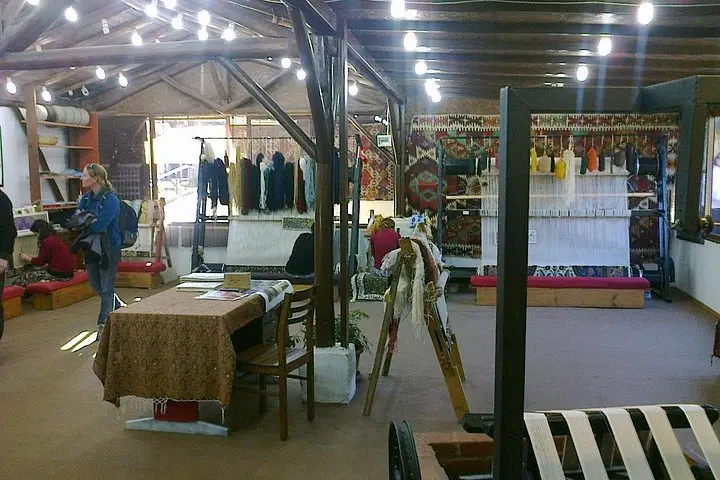
You step out of the air-conditioned van and the city’s edge slips away into a cavernous showroom where carpets hang like maps and colors pull the eye. The floor underfoot is wool, the air warm with lanolin and faint spice; a guide who knows weaving terms points out knot density while assistants unroll kilims the length of a room.
Verified experiences and guided adventures in the surrounding area.
Operated by Onelli Travel · Istanbul, Istanbul
You step out of the air-conditioned van and the city’s edge slips away into a cavernous showroom where carpets hang like maps and colors pull the eye. The floor underfoot is wool, the air warm with lanolin and faint spice; a guide who knows weaving terms points out knot density while assistants unroll kilims the length of a room.
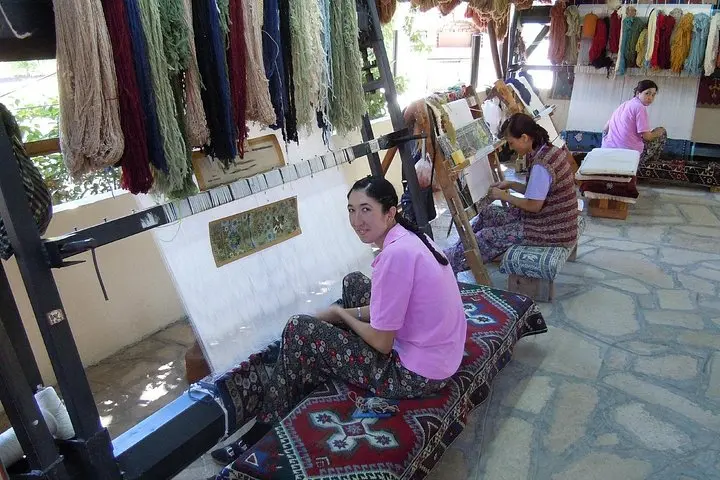
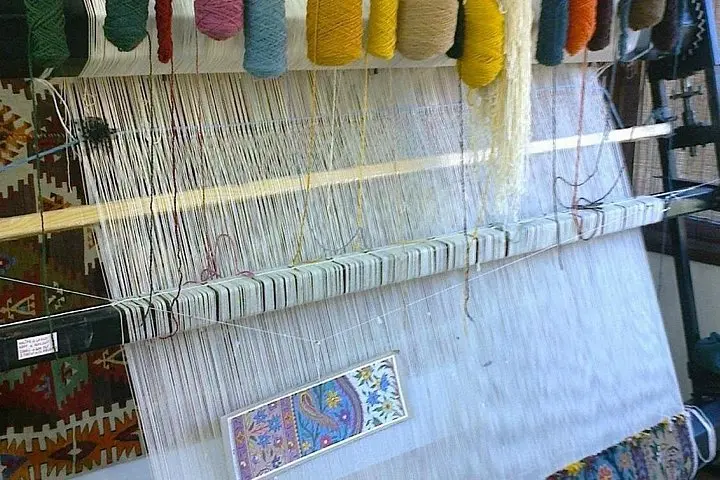
Carpet weaving in Anatolia spans centuries — nomadic pile rugs and flatwoven kilims carried patterns, clan marks and dyes made from madder and indigo across Ottoman trade routes. Modern wholesalers in Istanbul sit where those routes converged: practical hubs that link village weavers, dyers and urban buyers. Expect conversation about materials, regional motifs (here a Konya prayer rug, there a Baluch geometric) and the difference between hand-knotted warp-and-weft versus machine-made substitutions.
This tour is commerce with context: a private pickup from the cruise port, a licensed guide, bottled water and time to inspect construction up close. Practical checks — count knots per square inch, inspect the back, ask for provenance — matter more than flashy labels. Bring a tape measure, compare prices across pieces, and allow at least 90–120 minutes to move through selections without pressure.
Logistics are straightforward: wheelchair-accessible transport, bilingual staff at many wholesalers, and the option to arrange shipping rather than carry a rug home. For shoppers who want authenticity and fewer middlemen, this route offers direct access and an education in how centuries-old craft becomes a modern purchase.
Yes — these wholesalers sell at closer-to-supplier prices than tourist shops, though final cost varies by origin, knot density and materials; expect to negotiate for best terms.
Yes — the tour offers cruise port pickup and private transfers timed to ship schedules; confirm your arrival and departure times when booking.
Most wholesalers arrange international shipping and can provide packing and insurance options; request timelines and costs before purchase.
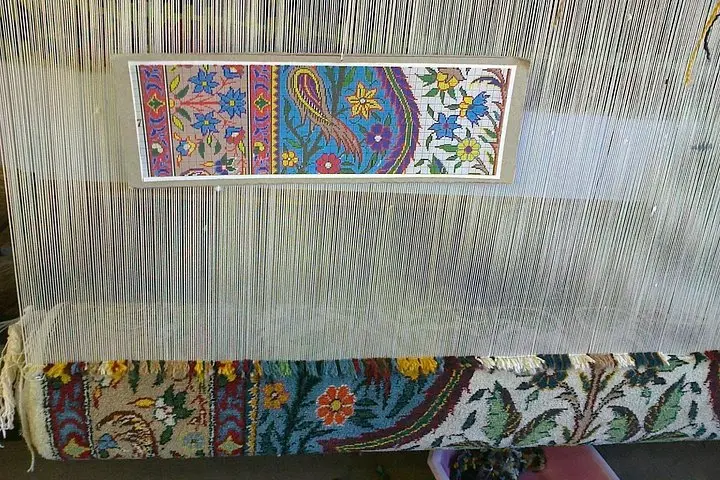
Check the back for individual knots, look for irregularities in pattern and fringe tied into the foundation, and ask the seller about origin and dyeing methods.
Onelli Travel operates guided outdoor trips and adventures with an emphasis on safety, stewardship, and memorable experiences.
You step out of the air-conditioned van and the city’s edge slips away into a cavernous showroom where carpets hang like maps and colors pull the eye. The floor underfoot is wool, the air warm with lanolin and faint spice; a guide who knows weaving terms points out knot density while assistants unroll kilims the length of a room.
You step out of the air-conditioned van and the city’s edge slips away into a cavernous showroom where carpets hang like maps and colors pull the eye. The floor underfoot is wool, the air warm with lanolin and faint spice; a guide who knows weaving terms points out knot density while assistants unroll kilims the length of a room.
Carpet weaving in Anatolia spans centuries — nomadic pile rugs and flatwoven kilims carried patterns, clan marks and dyes made from madder and indigo across Ottoman trade routes. Modern wholesalers in Istanbul sit where those routes converged: practical hubs that link village weavers, dyers and urban buyers. Expect conversation about materials, regional motifs (here a Konya prayer rug, there a Baluch geometric) and the difference between hand-knotted warp-and-weft versus machine-made substitutions.
This tour is commerce with context: a private pickup from the cruise port, a licensed guide, bottled water and time to inspect construction up close. Practical checks — count knots per square inch, inspect the back, ask for provenance — matter more than flashy labels. Bring a tape measure, compare prices across pieces, and allow at least 90–120 minutes to move through selections without pressure.
Logistics are straightforward: wheelchair-accessible transport, bilingual staff at many wholesalers, and the option to arrange shipping rather than carry a rug home. For shoppers who want authenticity and fewer middlemen, this route offers direct access and an education in how centuries-old craft becomes a modern purchase.