THE ADVENTURE COLLECTIVE® · Independent discovery and booking for outdoor travel

A compact five-day loop through Turkey’s Aegean and Central Anatolia that pairs white travertines, Greco-Roman ruins and Cappadocia’s balloon-dotted skies. Practical details, cultural context and on-the-ground tips for making the most of a fast-paced highlights trip.
A compact five-day loop through Turkey’s Aegean and Central Anatolia that pairs white travertines, Greco-Roman ruins and Cappadocia’s balloon-dotted skies. Practical details, cultural context and on-the-ground tips for making the most of a fast-paced highlights trip.
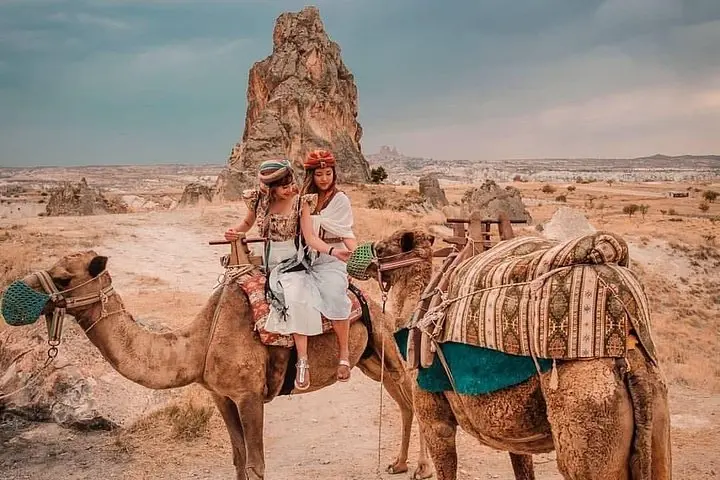
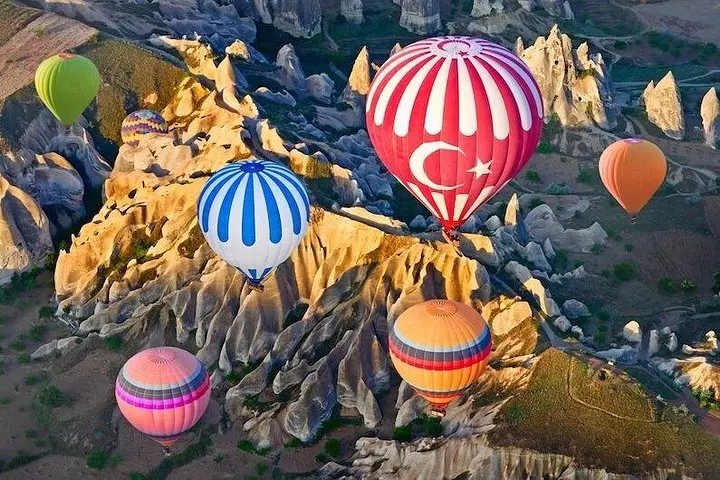
You step off a bus into a high Anatolian plain and the air feels different — dryer, older. In five days this route threads through layers of history: the chalk-white travertines of Pamukkale, the marble streets of Ephesus, the wine-scented lanes of Şirince and the lunar funnels of Cappadocia where balloons float at dawn like slow planets.
Verified experiences and guided adventures in the surrounding area.
Operated by Turkey Experiences · Pamukkale, Denizli Province
You step off a bus into a high Anatolian plain and the air feels different — dryer, older. In five days this route threads through layers of history: the chalk-white travertines of Pamukkale, the marble streets of Ephesus, the wine-scented lanes of Şirince and the lunar funnels of Cappadocia where balloons float at dawn like slow planets.
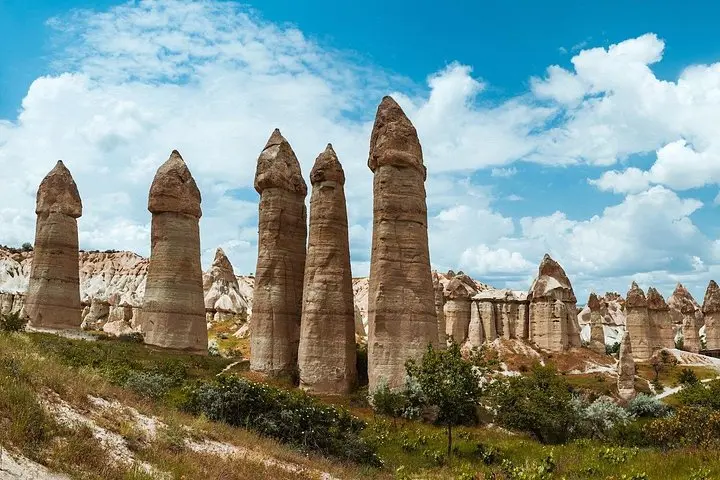
The itinerary moves fast but deliberately. Pamukkale’s travertines are stacked calcium terraces formed by mineral-rich thermal springs over millennia; above them, Hierapolis unfolds Roman baths, a theater and an ancient necropolis. Down the Aegean coast, Ephesus reveals the stone grid of a once-major port, its Celsus Library façade and sloping Roman theater that held 25,000 people. Cappadocia’s volcanic tuff, eroded into cones and chimneys, houses centuries of carved churches and cave dwellings—geology meeting human craft.
Culturally this route is Ottoman bazaars and Aegean village life, with lunches that showcase regional olive oil, figs and smoked eggplant. Guides licensed by Turkey’s Ministry of Culture add local context: trade routes, Hellenistic to Roman shifts, and how thermal waters shaped settlement.
Practical edge: expect road transfers and short hikes on uneven travertine and cobbled ruins; shoes off on fragile terraces; early mornings for balloon ops (weather-dependent). Pack layers for sharp morning chills in Cappadocia and sun protection for long hours outdoors. Book the balloon option early and allow buffer time for domestic flights — this loop rewards early starts with empty sites and the clearest light for photography.
The balloon is an optional add-on; book it on the tour package and note it is fully weather-dependent—operators will refund or reschedule if flights are canceled.
Children aged 5 and under are not allowed on balloon flights; check age restrictions and capacity for specific companies.
Walks involve uneven stone, stairs and occasional short hikes; travelers should have moderate fitness and avoid the tour if they have serious spinal or heart issues.
Domestic flights in this itinerary typically allow 15 kg checked plus 8 kg hand luggage; confirm with the operator if you need extra allowance.
Turkey Experiences operates guided outdoor trips and adventures with an emphasis on safety, stewardship, and memorable experiences.
You step off a bus into a high Anatolian plain and the air feels different — dryer, older. In five days this route threads through layers of history: the chalk-white travertines of Pamukkale, the marble streets of Ephesus, the wine-scented lanes of Şirince and the lunar funnels of Cappadocia where balloons float at dawn like slow planets.
You step off a bus into a high Anatolian plain and the air feels different — dryer, older. In five days this route threads through layers of history: the chalk-white travertines of Pamukkale, the marble streets of Ephesus, the wine-scented lanes of Şirince and the lunar funnels of Cappadocia where balloons float at dawn like slow planets.
The itinerary moves fast but deliberately. Pamukkale’s travertines are stacked calcium terraces formed by mineral-rich thermal springs over millennia; above them, Hierapolis unfolds Roman baths, a theater and an ancient necropolis. Down the Aegean coast, Ephesus reveals the stone grid of a once-major port, its Celsus Library façade and sloping Roman theater that held 25,000 people. Cappadocia’s volcanic tuff, eroded into cones and chimneys, houses centuries of carved churches and cave dwellings—geology meeting human craft.
Culturally this route is Ottoman bazaars and Aegean village life, with lunches that showcase regional olive oil, figs and smoked eggplant. Guides licensed by Turkey’s Ministry of Culture add local context: trade routes, Hellenistic to Roman shifts, and how thermal waters shaped settlement.
Practical edge: expect road transfers and short hikes on uneven travertine and cobbled ruins; shoes off on fragile terraces; early mornings for balloon ops (weather-dependent). Pack layers for sharp morning chills in Cappadocia and sun protection for long hours outdoors. Book the balloon option early and allow buffer time for domestic flights — this loop rewards early starts with empty sites and the clearest light for photography.