THE ADVENTURE COLLECTIVE® · Independent discovery and booking for outdoor travel

Fly from Istanbul to Izmir and spend a full day walking through Ephesus’s marble streets, visiting the House of the Virgin Mary, the Temple of Artemis ruins and the hilltop village of Şirince with lunch included. A long but accessible cultural day trip that compresses Hellenistic and Roman history into one carefully guided itinerary.
Fly from Istanbul to Izmir and spend a full day walking through Ephesus’s marble streets, visiting the House of the Virgin Mary, the Temple of Artemis ruins and the hilltop village of Şirince with lunch included. A long but accessible cultural day trip that compresses Hellenistic and Roman history into one carefully guided itinerary.
Morning light over Istanbul gives way to the Aegean by late morning — a short flight, and suddenly the air smells of salt and sun-warmed stone. Travelers step from Izmir’s airport into a vehicle that will take them across low olive-covered hills to Selçuk, where a ruined city opens like a history book written in marble.
Verified experiences and guided adventures in the surrounding area.
Operated by Apasas travel · Selçuk, İzmir
Morning light over Istanbul gives way to the Aegean by late morning — a short flight, and suddenly the air smells of salt and sun-warmed stone. Travelers step from Izmir’s airport into a vehicle that will take them across low olive-covered hills to Selçuk, where a ruined city opens like a history book written in marble.
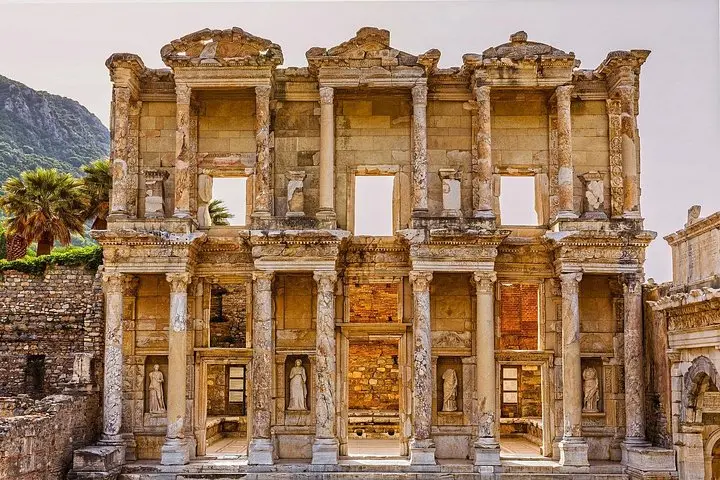
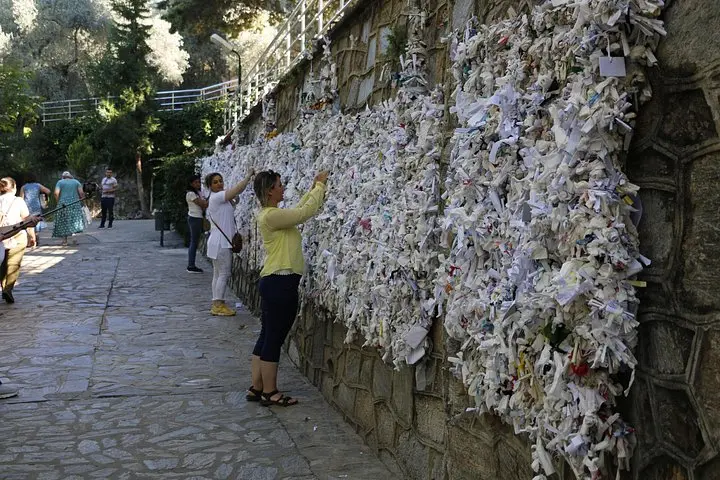
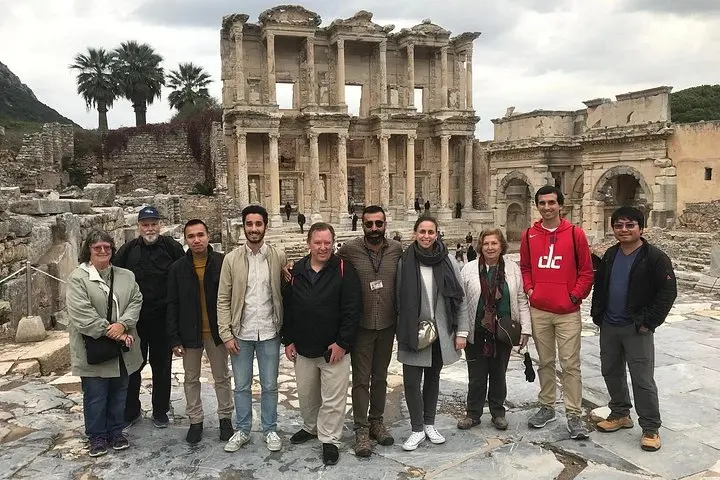
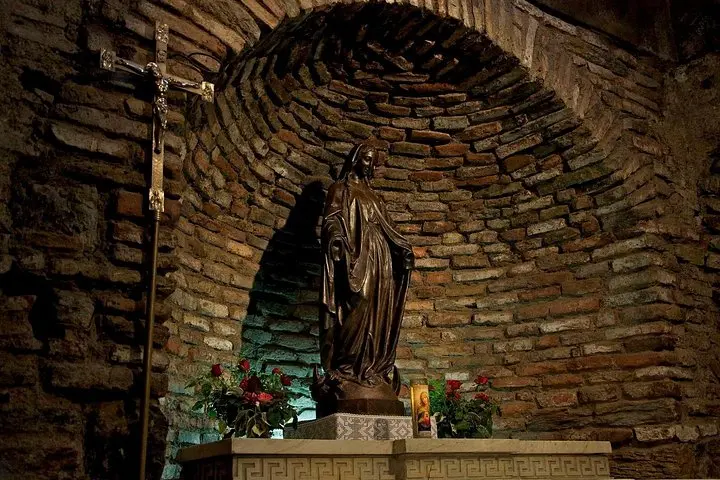
Ephesus carries layers of empires: Hellenistic planning, Roman civic life, and early Christian presence where Paul and later John left marks on the city’s story. Geology here is soft limestone and marble, shaped by ancient quarrying and centuries of trampling; the marble streets and theatre still hold echoes of amphora trades and public oratory. Nearby the House of the Virgin Mary sits on a quiet slope, a pilgrimage site since the 19th century, and the Temple of Artemis — once a Wonder — survives mostly as scattered column fragments and interpretation.
Expect hours of on-foot exploration across uneven, weathered stone and sun-exposed ruins, punctuated by a village stop in Şirince for local wine and short breaks. Guides focus on archaeological context and religious history while offering local color about Ottoman-era Selçuk and the Greek-Turkish population exchange that shaped the region.
Practical guidance: wear sturdy shoes for marble and cobbles, bring sun protection and a light layer for coastal winds. The day is long (flight, guided site time, lunch, village stop, return flight) — hydrate early, carry small change for optional Terrace Houses, and confirm pickup and flight times. With planning, the trip compresses centuries into a single, manageable day of walking and discovery.
Expect a 14–17 hour day including hotel/airport pickup, round-trip flights Istanbul–Izmir, guided time at Ephesus, lunch, Şirince visit, and return transfers.
Entrance fees and lunch are included in this tour; Terrace Houses inside Ephesus are optional for an extra fee paid on site.
The tour is suitable for most ages but involves long walks over uneven stone; families with strollers or guests with limited mobility should consult the operator in advance.
Flights are short (about 1 hour); arrive at Istanbul airport with recommended check-in times and confirm baggage rules and terminal details with the operator.
Apasas travel operates guided outdoor trips and adventures with an emphasis on safety, stewardship, and memorable experiences.
Morning light over Istanbul gives way to the Aegean by late morning — a short flight, and suddenly the air smells of salt and sun-warmed stone. Travelers step from Izmir’s airport into a vehicle that will take them across low olive-covered hills to Selçuk, where a ruined city opens like a history book written in marble.
Morning light over Istanbul gives way to the Aegean by late morning — a short flight, and suddenly the air smells of salt and sun-warmed stone. Travelers step from Izmir’s airport into a vehicle that will take them across low olive-covered hills to Selçuk, where a ruined city opens like a history book written in marble.
Ephesus carries layers of empires: Hellenistic planning, Roman civic life, and early Christian presence where Paul and later John left marks on the city’s story. Geology here is soft limestone and marble, shaped by ancient quarrying and centuries of trampling; the marble streets and theatre still hold echoes of amphora trades and public oratory. Nearby the House of the Virgin Mary sits on a quiet slope, a pilgrimage site since the 19th century, and the Temple of Artemis — once a Wonder — survives mostly as scattered column fragments and interpretation.
Expect hours of on-foot exploration across uneven, weathered stone and sun-exposed ruins, punctuated by a village stop in Şirince for local wine and short breaks. Guides focus on archaeological context and religious history while offering local color about Ottoman-era Selçuk and the Greek-Turkish population exchange that shaped the region.
Practical guidance: wear sturdy shoes for marble and cobbles, bring sun protection and a light layer for coastal winds. The day is long (flight, guided site time, lunch, village stop, return flight) — hydrate early, carry small change for optional Terrace Houses, and confirm pickup and flight times. With planning, the trip compresses centuries into a single, manageable day of walking and discovery.