THE ADVENTURE COLLECTIVE® · Independent discovery and booking for outdoor travel

Stand on the crown of one of the world’s largest hydroelectric dams and watch the Paraná River push against engineered concrete. This two-hour panoramic tour from Foz do Iguaçu blends engineering history, environmental initiatives, and sweeping reservoir views.
Stand on the crown of one of the world’s largest hydroelectric dams and watch the Paraná River push against engineered concrete. This two-hour panoramic tour from Foz do Iguaçu blends engineering history, environmental initiatives, and sweeping reservoir views.
You step onto a broad concrete terrace and the Paraná River announces itself with a low, river-sized roar — a power that feels measured rather than wild. The dam looms ahead: a concrete arc that holds back a human-made lake, spillways releasing columns of water when the river demands it, and a crown walk where the horizon opens to flat, glassy Lake Itaipu.
Verified experiences and guided adventures in the surrounding area.
Operated by Tangol · Foz do Iguaçu, Paraná
You step onto a broad concrete terrace and the Paraná River announces itself with a low, river-sized roar — a power that feels measured rather than wild. The dam looms ahead: a concrete arc that holds back a human-made lake, spillways releasing columns of water when the river demands it, and a crown walk where the horizon opens to flat, glassy Lake Itaipu.
Built between the mid-1970s and early 1980s as a joint Brazil–Paraguay project, Itaipu reshaped the Paraná basin. The geology here is dominated by Paraná flood basalts; engineers carved foundations into ancient rock to anchor one of the world’s largest hydroelectric systems. The Visitor Center introduces this history with a short documentary and bilingual guides who frame both the construction feat and ongoing environmental programs.
Beyond the engineering, you’ll notice local culture: small communities that grew around construction and now offer handicrafts at the souvenir shop, and interpretive exhibits that explain reforestation and fish-management efforts.
Practical guidance: the panoramic tour runs about two hours and is suitable for most fitness levels. Expect paved walks, several vantage platforms, and a weather-dependent climb to the dam crown. Bring sun protection and a reusable water bottle; the sun on the crown can be intense and there’s limited shade. Photography is allowed in most areas but follow guide instructions near operational equipment. Tours typically include transport from Foz do Iguaçu, a bilingual guide, and entrance; cancel at least 24 hours ahead for a refund. Early morning or late afternoon visits offer cooler temperatures and better light for photos, while rainy season (southern summer) can mean heavier cloud and occasional closures. Respect barriers, keep to marked routes, and you’ll leave with a clear sense of scale — both of the landscape and of human engineering.
Yes — the panoramic tour typically includes the official Itaipu Dam ticket and access to the Visitor Center and viewing platforms.
No border crossing is required for this panoramic tour on the Brazilian side; bring a passport if you plan an independent visit to Paraguayan viewpoints later.
The tour is classified as suitable for most fitness levels with paved areas and some ramps, but certain viewpoints or the crown ascent may include stairs — check with the operator about mobility accommodations.
Some vantage points, especially the crown, are closed in severe weather; operators reserve the right to modify or cancel tours — refunds are typically available if canceled 24 hours prior.
Tangol operates guided outdoor trips and adventures with an emphasis on safety, stewardship, and memorable experiences.
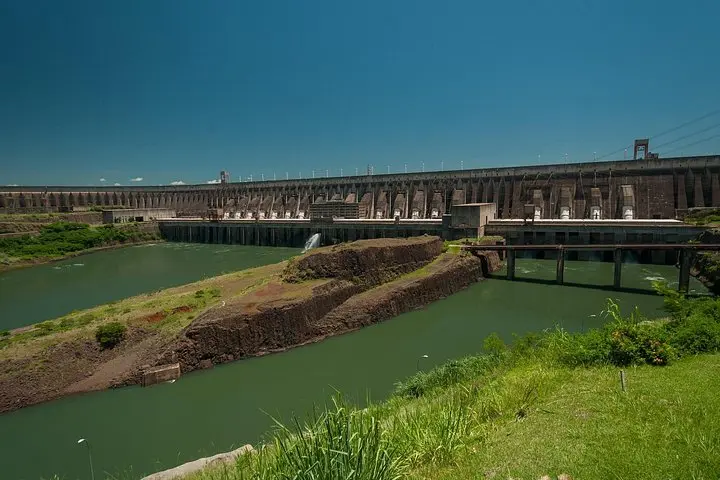
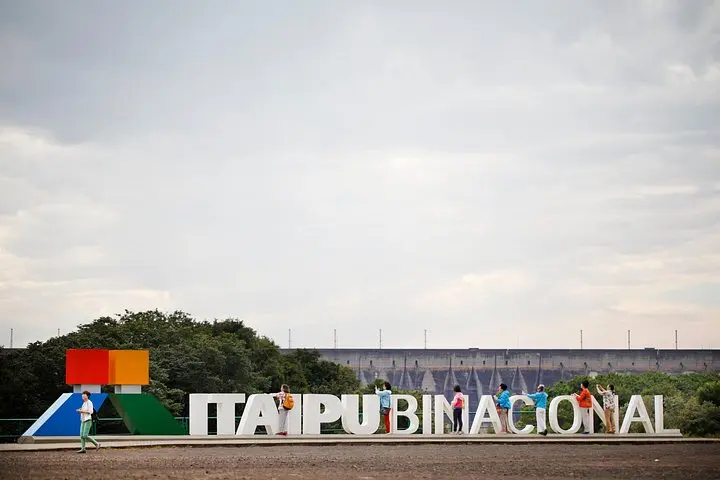
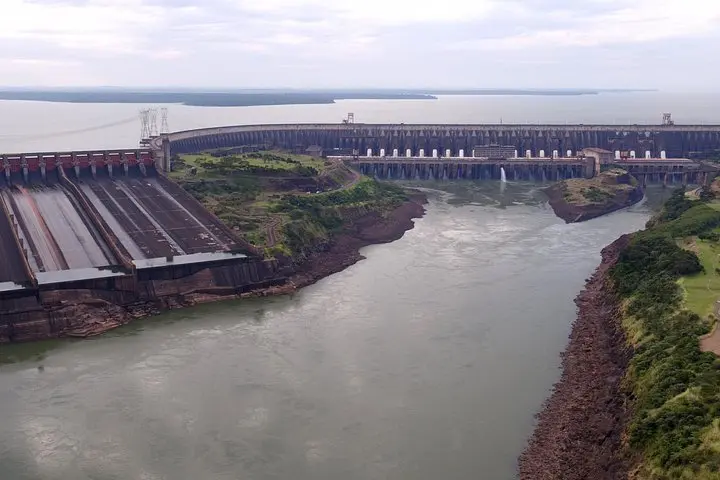

You step onto a broad concrete terrace and the Paraná River announces itself with a low, river-sized roar — a power that feels measured rather than wild. The dam looms ahead: a concrete arc that holds back a human-made lake, spillways releasing columns of water when the river demands it, and a crown walk where the horizon opens to flat, glassy Lake Itaipu.
You step onto a broad concrete terrace and the Paraná River announces itself with a low, river-sized roar — a power that feels measured rather than wild. The dam looms ahead: a concrete arc that holds back a human-made lake, spillways releasing columns of water when the river demands it, and a crown walk where the horizon opens to flat, glassy Lake Itaipu.
Built between the mid-1970s and early 1980s as a joint Brazil–Paraguay project, Itaipu reshaped the Paraná basin. The geology here is dominated by Paraná flood basalts; engineers carved foundations into ancient rock to anchor one of the world’s largest hydroelectric systems. The Visitor Center introduces this history with a short documentary and bilingual guides who frame both the construction feat and ongoing environmental programs.
Beyond the engineering, you’ll notice local culture: small communities that grew around construction and now offer handicrafts at the souvenir shop, and interpretive exhibits that explain reforestation and fish-management efforts.
Practical guidance: the panoramic tour runs about two hours and is suitable for most fitness levels. Expect paved walks, several vantage platforms, and a weather-dependent climb to the dam crown. Bring sun protection and a reusable water bottle; the sun on the crown can be intense and there’s limited shade. Photography is allowed in most areas but follow guide instructions near operational equipment. Tours typically include transport from Foz do Iguaçu, a bilingual guide, and entrance; cancel at least 24 hours ahead for a refund. Early morning or late afternoon visits offer cooler temperatures and better light for photos, while rainy season (southern summer) can mean heavier cloud and occasional closures. Respect barriers, keep to marked routes, and you’ll leave with a clear sense of scale — both of the landscape and of human engineering.