THE ADVENTURE COLLECTIVE® · Independent discovery and booking for outdoor travel

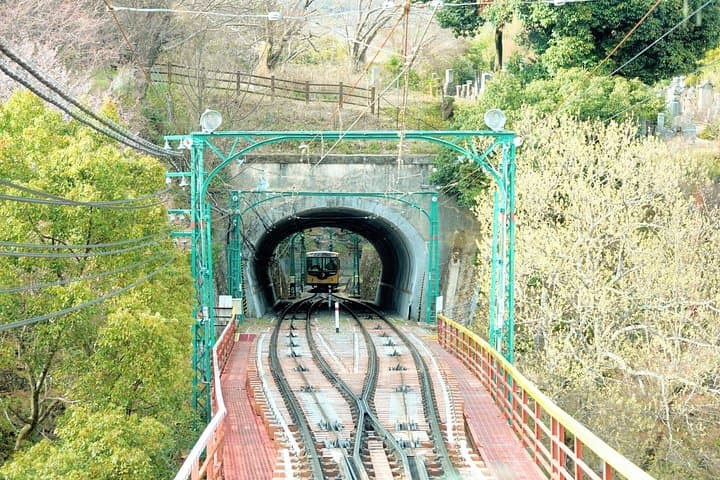
Ride a short cable car to Iwashimizu Hachimangū, Kyoto’s mountaintop Hachiman shrine, and explore centuries of samurai patronage, ritual architecture, and wooded viewpoints on a 90-minute guided visit.
Ride a short cable car to Iwashimizu Hachimangū, Kyoto’s mountaintop Hachiman shrine, and explore centuries of samurai patronage, ritual architecture, and wooded viewpoints on a 90-minute guided visit.
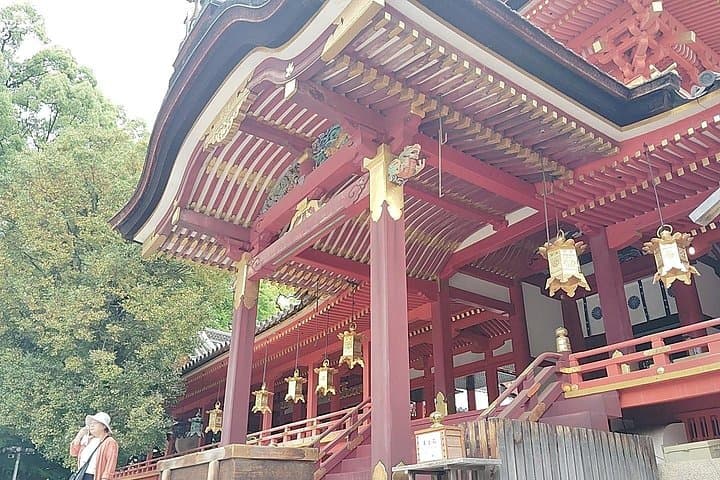
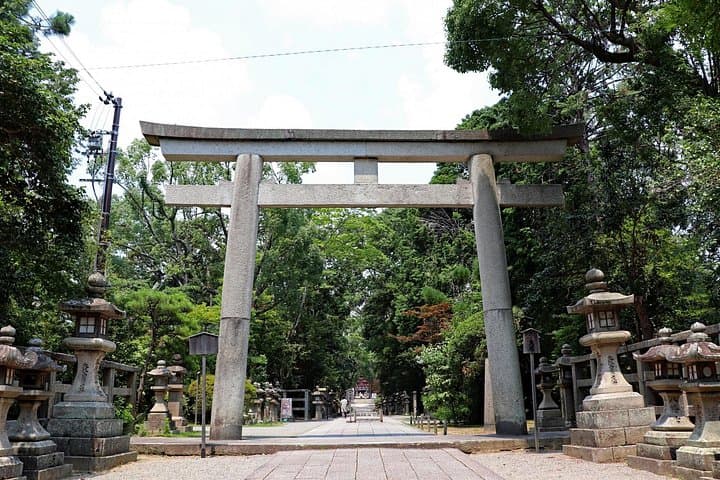
A cool breeze from the summit cuts across the cable car window as Kyoto recedes into ribbons of rice fields and cedar. Stepping onto the mountaintop, the shrine’s vermilion gates and broad cedar-lined approach give a clear, measured sense of purpose — this is a place where protection and ceremony meet the landscape.
Verified experiences and guided adventures in the surrounding area.
Operated by DeepExperience · Yawata, Kyoto Prefecture
A cool breeze from the summit cuts across the cable car window as Kyoto recedes into ribbons of rice fields and cedar. Stepping onto the mountaintop, the shrine’s vermilion gates and broad cedar-lined approach give a clear, measured sense of purpose — this is a place where protection and ceremony meet the landscape.
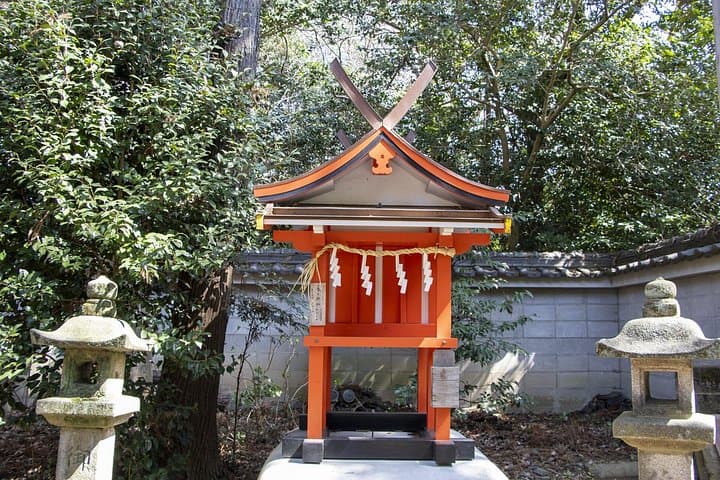
Iwashimizu Hachimangū was established in the ninth century as a guardian for the capital and rose to prominence under samurai patronage; Hachiman, the god of war and culture, was invoked by the Minamoto clan. The site sits on a low ridge of the Higashiyama foothills, where ancient forest soils and managed cedars frame stone lanterns and wooden halls. Local lore points to practical links — bamboo from nearby groves was used historically for many crafts and even, some records say, for early industrial experiments abroad.
The guided 90-minute visit focuses on ritual space, samurai-era stories, and architectural details: lacquered beams, worship paths, and the view that once mattered for Kyoto’s defense. The cable car turns access from a steep walk into a brief scenic ride, making the shrine accessible to most visitors while still feeling remote.
Practical tips: aim for morning light to avoid crowds, wear sturdy flats for stone steps, and allow 90 minutes to move at the guide’s pace. Bring a light layer — mountain winds are cooler year-round — and cash if you want an ema (wooden prayer tablet) or small offering. The tour blends culture and gentle outdoorsmanship: short, steep approaches, impressive viewpoints, and a direct link to Kyoto’s medieval history.
The guided experience runs about 90 minutes; the cable car takes just a few minutes each way, included in the tour.
The cable car provides easy access to the mountaintop, but stone steps and uneven surfaces exist around shrine buildings; contact the operator for specific accessibility needs.
Admission and the round-trip cable car are included with this guided tour, so no additional tickets are usually required.
Cherry blossoms peak in spring (late March–April) and autumn foliage is best in late November; morning tours avoid crowds on peak days.
DeepExperience operates guided outdoor trips and adventures with an emphasis on safety, stewardship, and memorable experiences.
A cool breeze from the summit cuts across the cable car window as Kyoto recedes into ribbons of rice fields and cedar. Stepping onto the mountaintop, the shrine’s vermilion gates and broad cedar-lined approach give a clear, measured sense of purpose — this is a place where protection and ceremony meet the landscape.
A cool breeze from the summit cuts across the cable car window as Kyoto recedes into ribbons of rice fields and cedar. Stepping onto the mountaintop, the shrine’s vermilion gates and broad cedar-lined approach give a clear, measured sense of purpose — this is a place where protection and ceremony meet the landscape.
Iwashimizu Hachimangū was established in the ninth century as a guardian for the capital and rose to prominence under samurai patronage; Hachiman, the god of war and culture, was invoked by the Minamoto clan. The site sits on a low ridge of the Higashiyama foothills, where ancient forest soils and managed cedars frame stone lanterns and wooden halls. Local lore points to practical links — bamboo from nearby groves was used historically for many crafts and even, some records say, for early industrial experiments abroad.
The guided 90-minute visit focuses on ritual space, samurai-era stories, and architectural details: lacquered beams, worship paths, and the view that once mattered for Kyoto’s defense. The cable car turns access from a steep walk into a brief scenic ride, making the shrine accessible to most visitors while still feeling remote.
Practical tips: aim for morning light to avoid crowds, wear sturdy flats for stone steps, and allow 90 minutes to move at the guide’s pace. Bring a light layer — mountain winds are cooler year-round — and cash if you want an ema (wooden prayer tablet) or small offering. The tour blends culture and gentle outdoorsmanship: short, steep approaches, impressive viewpoints, and a direct link to Kyoto’s medieval history.