THE ADVENTURE COLLECTIVE® · Independent discovery and booking for outdoor travel

Rising over 5,000 meters just outside Mexico City, Iztaccihuatl Volcano offers a challenging alpine ascent framed by volcanic geology and sweeping valley views. Discover what it takes to stand atop the "White Woman" and how to prepare for this demanding high-altitude climb.
Rising over 5,000 meters just outside Mexico City, Iztaccihuatl Volcano offers a challenging alpine ascent framed by volcanic geology and sweeping valley views. Discover what it takes to stand atop the "White Woman" and how to prepare for this demanding high-altitude climb.
At dawn, the colossal silhouette of Iztaccihuatl looms above the Valle de Mexico, its snow-capped peaks daring early climbers to test their limits. Known as the "White Woman" for its shape that resembles a reclining female figure, this volcano stands at 5,230 meters (17,160 feet), offering a demanding high-altitude mountaineering experience just a couple of hours from Mexico City's urban sprawl.
Verified experiences and guided adventures in the surrounding area.
Operated by Yacana Outdoors · Amecameca, Mexico State
At dawn, the colossal silhouette of Iztaccihuatl looms above the Valle de Mexico, its snow-capped peaks daring early climbers to test their limits. Known as the "White Woman" for its shape that resembles a reclining female figure, this volcano stands at 5,230 meters (17,160 feet), offering a demanding high-altitude mountaineering experience just a couple of hours from Mexico City's urban sprawl.
This isn’t a straightforward hike. Iztaccihuatl commands respect—a journey that oscillates between strenuous alpine climbing and rugged trail trekking. The mountain’s terrain shifts abruptly, from forested paths where pine needles cushion your steps, to icy ridges where crampons and ice axes become essential extensions of your body. Local guides, seasoned with over 150 ascents among them, keep climbers safe, navigating sudden weather changes with practiced ease. They bring not only technical skill but also English language proficiency uncommon in the region, bridging cultural gaps and ensuring clear communication.
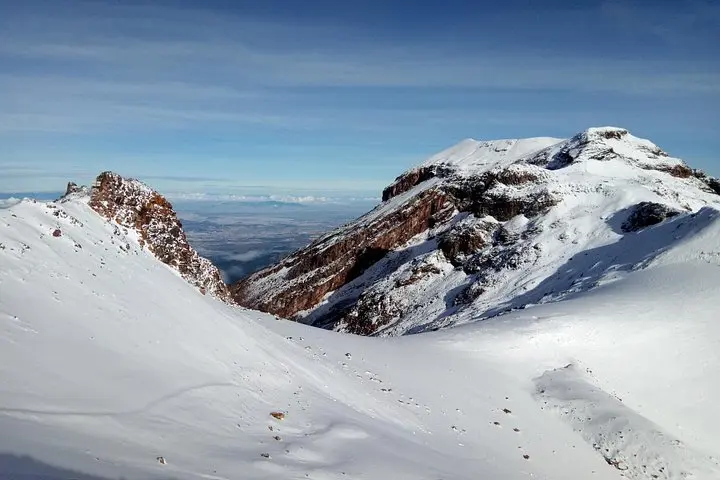
Geologically, Iztaccihuatl forms part of the Trans-Mexican Volcanic Belt, sharing the skyline with its formidable neighbor, Popocatépetl. The volcano's complex history is etched in its glaciers and volcanic rock, telling tales of eruptions that shaped central Mexico’s landscape over millennia. The route offers intermittent views beyond the peaks—vast valleys where morning mist clings to farmland and far-off settlements pulse with life.
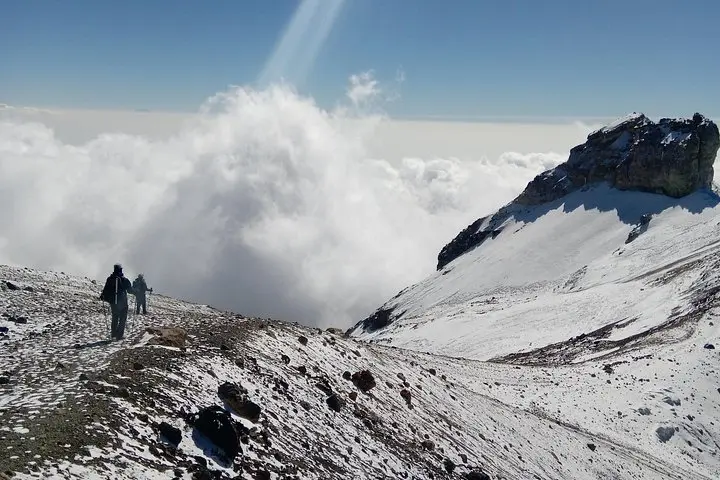
Climbing here means engaging with nature’s raw pulse. The wind cuts sharp at higher altitudes, the thin air pushes your lungs harder, and the snowfield ahead seems alive, daring you onward but demanding respect. This climb isn’t for the faint-hearted but rewards every ounce of effort with a profound sense of achievement and sweeping panoramas reserved for few.
Practically, the climb takes roughly 10 to 12 hours depending on your pace and acclimatization, combining both day hiking and, for those ready, alpine climbing with technical gear. Guides provide essential safety briefings and crampon training beforehand, especially for those new to mountaineering.
Preparation demands sturdy boots with good grip, layered clothing suited for freezing summit conditions, and a steady fitness level with cardiovascular endurance. Hydration and small, frequent snacks keep energy levels stable. Private, air-conditioned transport from Mexico City is arranged to maximize comfort before and after the climb.
This is a gateway to Mexico’s high mountain world—where history, geology, and challenge converge on each step upward. For those ready to answer the mountain’s call, Iztaccihuatl holds a climb that’s as rewarding as it is demanding, promising more than just a trek: a genuine alpine mountaineering journey under an expansive Andean sky.
A moderate to high fitness level is needed, especially for the alpine route, including good cardiovascular endurance and leg strength.
No prior experience is necessary for the day hike, but the alpine climb requires use of crampons and ice axes; training is provided.
Private air-conditioned transport from Mexico City is included, along with breakfast, snacks, and bottled water during the climb.
Yes, guides provide necessary climbing gear such as crampons and ice axes along with safety training.
The climb can be done year-round but clear weather and better trail conditions prevail between late fall and early spring.
Yes, the high elevation presents risks; proper acclimatization and following guide advice are crucial for safety.
Yacana Outdoors operates guided outdoor trips and adventures with an emphasis on safety, stewardship, and memorable experiences.
At dawn, the colossal silhouette of Iztaccihuatl looms above the Valle de Mexico, its snow-capped peaks daring early climbers to test their limits. Known as the "White Woman" for its shape that resembles a reclining female figure, this volcano stands at 5,230 meters (17,160 feet), offering a demanding high-altitude mountaineering experience just a couple of hours from Mexico City's urban sprawl.
At dawn, the colossal silhouette of Iztaccihuatl looms above the Valle de Mexico, its snow-capped peaks daring early climbers to test their limits. Known as the "White Woman" for its shape that resembles a reclining female figure, this volcano stands at 5,230 meters (17,160 feet), offering a demanding high-altitude mountaineering experience just a couple of hours from Mexico City's urban sprawl.
This isn’t a straightforward hike. Iztaccihuatl commands respect—a journey that oscillates between strenuous alpine climbing and rugged trail trekking. The mountain’s terrain shifts abruptly, from forested paths where pine needles cushion your steps, to icy ridges where crampons and ice axes become essential extensions of your body. Local guides, seasoned with over 150 ascents among them, keep climbers safe, navigating sudden weather changes with practiced ease. They bring not only technical skill but also English language proficiency uncommon in the region, bridging cultural gaps and ensuring clear communication.
Geologically, Iztaccihuatl forms part of the Trans-Mexican Volcanic Belt, sharing the skyline with its formidable neighbor, Popocatépetl. The volcano's complex history is etched in its glaciers and volcanic rock, telling tales of eruptions that shaped central Mexico’s landscape over millennia. The route offers intermittent views beyond the peaks—vast valleys where morning mist clings to farmland and far-off settlements pulse with life.
Climbing here means engaging with nature’s raw pulse. The wind cuts sharp at higher altitudes, the thin air pushes your lungs harder, and the snowfield ahead seems alive, daring you onward but demanding respect. This climb isn’t for the faint-hearted but rewards every ounce of effort with a profound sense of achievement and sweeping panoramas reserved for few.
Practically, the climb takes roughly 10 to 12 hours depending on your pace and acclimatization, combining both day hiking and, for those ready, alpine climbing with technical gear. Guides provide essential safety briefings and crampon training beforehand, especially for those new to mountaineering.
Preparation demands sturdy boots with good grip, layered clothing suited for freezing summit conditions, and a steady fitness level with cardiovascular endurance. Hydration and small, frequent snacks keep energy levels stable. Private, air-conditioned transport from Mexico City is arranged to maximize comfort before and after the climb.
This is a gateway to Mexico’s high mountain world—where history, geology, and challenge converge on each step upward. For those ready to answer the mountain’s call, Iztaccihuatl holds a climb that’s as rewarding as it is demanding, promising more than just a trek: a genuine alpine mountaineering journey under an expansive Andean sky.