THE ADVENTURE COLLECTIVE® · Independent discovery and booking for outdoor travel

A full-day Bedouin-guided trek across Jabal Al Hash offers hands-on scrambling, summit views near 1,700 m, and visits to Wadi Rum's famous rock arches. Expect 6–7 hours of varied desert terrain, local hospitality and practical routes suited to hikers with moderate fitness.
A full-day Bedouin-guided trek across Jabal Al Hash offers hands-on scrambling, summit views near 1,700 m, and visits to Wadi Rum's famous rock arches. Expect 6–7 hours of varied desert terrain, local hospitality and practical routes suited to hikers with moderate fitness.
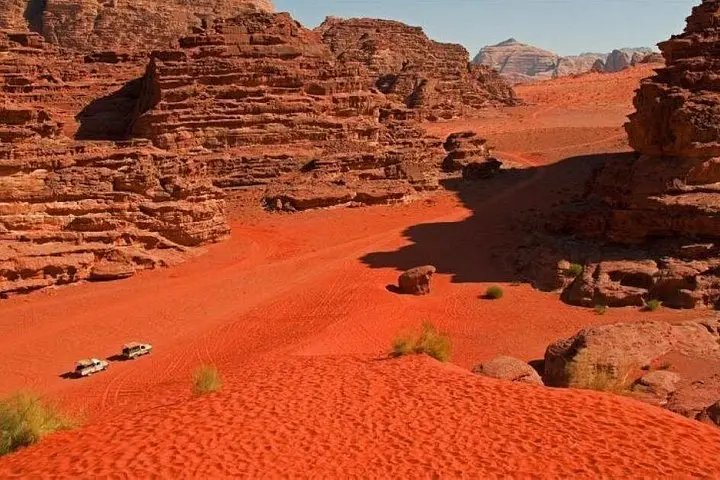
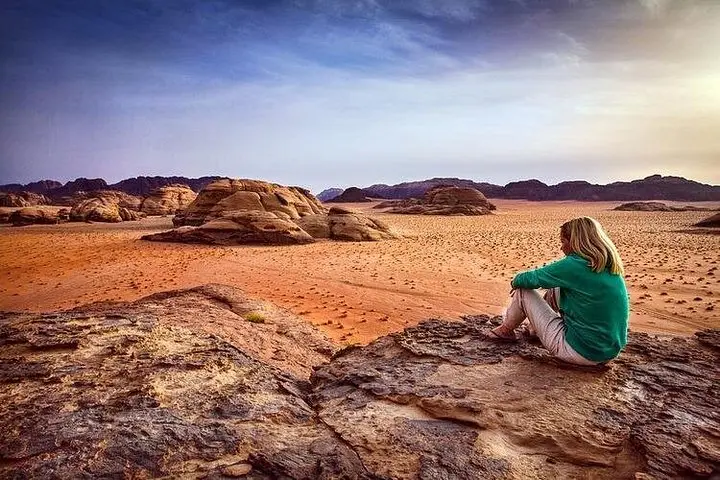
Morning light strips the desert into layers of ochre and red as hikers step out from Wadi Rum Village toward Jabal Al Hash. The air smells of warm sand and tea; Bedouin guides lead the group up an eastern scramble where rock faces give way to wind-swept ridgelines and a valley folding beneath the summit.
Verified experiences and guided adventures in the surrounding area.
Operated by Jordan Horizon Tours · Wadi Rum Village, Ma'an Governorate
Morning light strips the desert into layers of ochre and red as hikers step out from Wadi Rum Village toward Jabal Al Hash. The air smells of warm sand and tea; Bedouin guides lead the group up an eastern scramble where rock faces give way to wind-swept ridgelines and a valley folding beneath the summit.
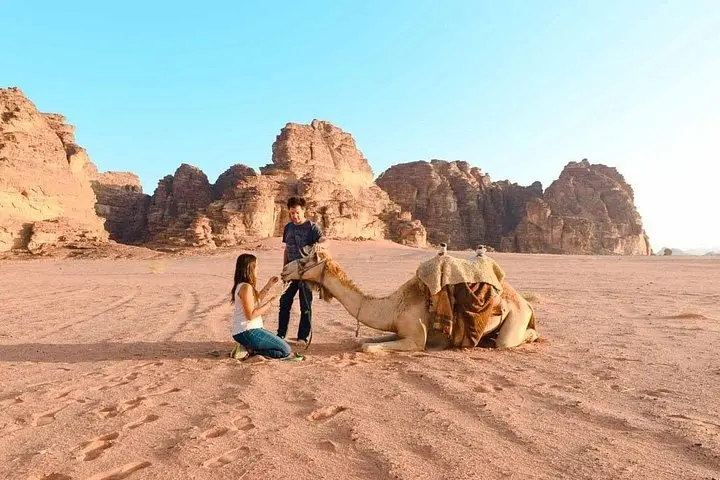
Geology here reads like a slow-motion collision: sandstone and granite carved by millennia of wind and flash floods, creating arches, clefts and steep slabs. Human history is present in quieter ways — faint camel tracks, Bedouin seasonal routes and stories of travelers who crossed these plains long before roads. The landscape invites a steady pace: hands-on scrambling sections, exposed ridges and broad summit views at roughly 1,700 m above sea level that reveal color shifts between mountains and sand.
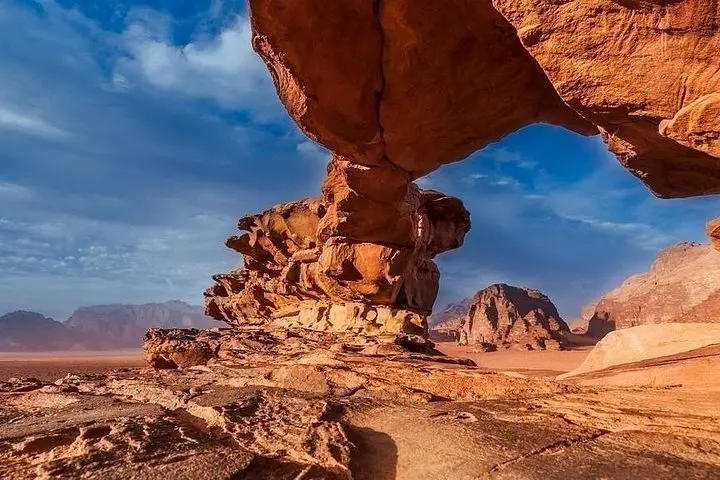
On descent the group typically pauses for a boxed lunch and Bedouin tea, then visits three notable arches including Burdah Rock Bridge and the climbable Um Frouth. Expect a day of varied terrain—sandy tracks, rock steps, and short steep pitches—under a desert sun that changes intensity as the day progresses.
Practical guidance: start early, carry 2–3 liters of water, and wear stiff-soled boots for scrambling. Follow your guide’s route choices; they know the safest lines on rock slabs and where to time rests to avoid midday heat. The experience pairs cultural interaction with physically engaging terrain — plan for a long day, steady footing, and an appetite for wide desert views.
The route involves sustained hiking and several exposed scrambles but is generally rated moderate; guides assist with route choices and safety.
Yes — visitors pay the Wadi Rum protected area entry fee at the visitor center (typically collected in Jordanian dinar); guides often help arrange this at the start.
Most tours meet at Wadi Rum Village (Rum Visitor Center); visitors can arrive by car or request pickups from Aqaba or nearby towns through the tour operator.
Heat is the main hazard; tours avoid the hottest afternoon hours, carry water, and pause for rest and tea. Travelers should be prepared to modify pace or route in extreme heat.
Jordan Horizon Tours operates guided outdoor trips and adventures with an emphasis on safety, stewardship, and memorable experiences.
Morning light strips the desert into layers of ochre and red as hikers step out from Wadi Rum Village toward Jabal Al Hash. The air smells of warm sand and tea; Bedouin guides lead the group up an eastern scramble where rock faces give way to wind-swept ridgelines and a valley folding beneath the summit.
Morning light strips the desert into layers of ochre and red as hikers step out from Wadi Rum Village toward Jabal Al Hash. The air smells of warm sand and tea; Bedouin guides lead the group up an eastern scramble where rock faces give way to wind-swept ridgelines and a valley folding beneath the summit.
Geology here reads like a slow-motion collision: sandstone and granite carved by millennia of wind and flash floods, creating arches, clefts and steep slabs. Human history is present in quieter ways — faint camel tracks, Bedouin seasonal routes and stories of travelers who crossed these plains long before roads. The landscape invites a steady pace: hands-on scrambling sections, exposed ridges and broad summit views at roughly 1,700 m above sea level that reveal color shifts between mountains and sand.
On descent the group typically pauses for a boxed lunch and Bedouin tea, then visits three notable arches including Burdah Rock Bridge and the climbable Um Frouth. Expect a day of varied terrain—sandy tracks, rock steps, and short steep pitches—under a desert sun that changes intensity as the day progresses.
Practical guidance: start early, carry 2–3 liters of water, and wear stiff-soled boots for scrambling. Follow your guide’s route choices; they know the safest lines on rock slabs and where to time rests to avoid midday heat. The experience pairs cultural interaction with physically engaging terrain — plan for a long day, steady footing, and an appetite for wide desert views.