THE ADVENTURE COLLECTIVE® · Independent discovery and booking for outdoor travel

Drive up into Oman’s highest reaches and stand on the rim of Wadi Nakhr—Jabal Shams offers raw canyon views, abandoned mountain villages, and cool highland air on a day trip from Muscat. Learn what to expect, how to prepare, and practical tips for timing and gear.
Drive up into Oman’s highest reaches and stand on the rim of Wadi Nakhr—Jabal Shams offers raw canyon views, abandoned mountain villages, and cool highland air on a day trip from Muscat. Learn what to expect, how to prepare, and practical tips for timing and gear.
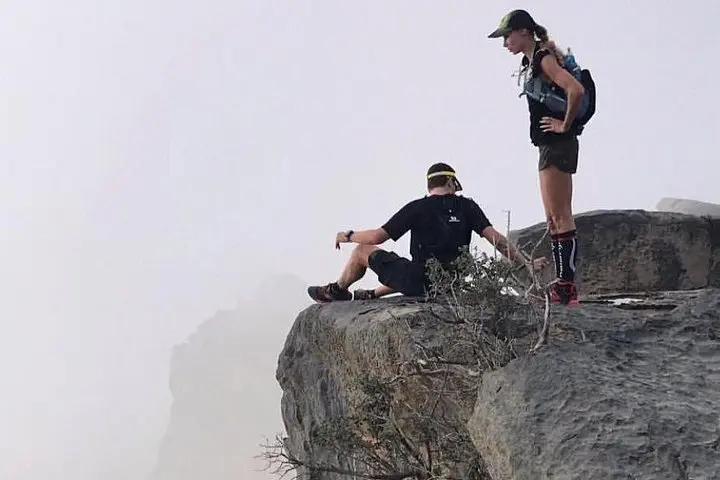
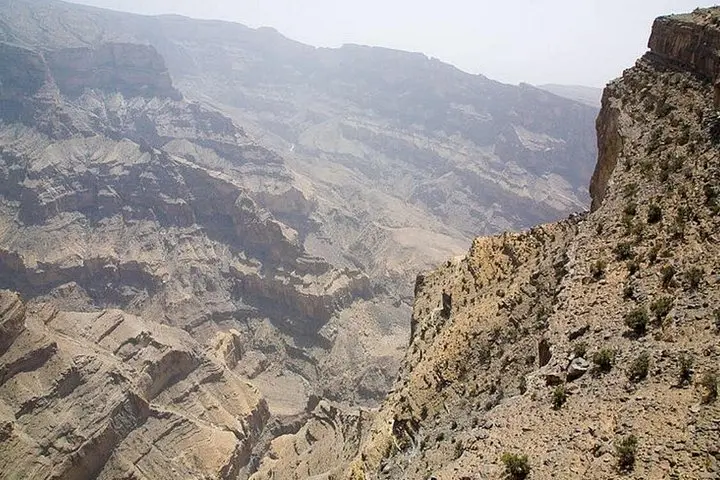
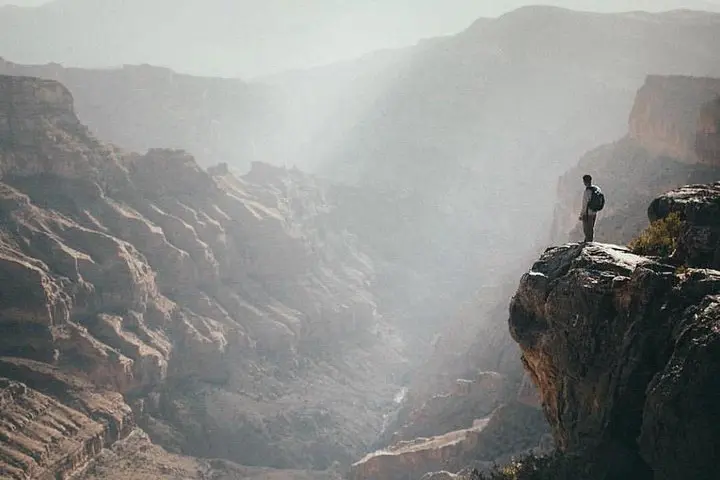
You arrive to a thinning of the air and a sudden horizon—the road climbs out of date palm villages and the land opens into a raw, stony plateau. Wind scratches across scrub and the rim of Wadi Nakhr cuts a knife-edge into the landscape; from certain viewpoints the canyon drops in sheer walls to a floor of terraced fields and tiny settlements.
Verified experiences and guided adventures in the surrounding area.
Operated by Muscat Advanced Tourism · Al Hamra, Ad Dakhiliyah Governorate
You arrive to a thinning of the air and a sudden horizon—the road climbs out of date palm villages and the land opens into a raw, stony plateau. Wind scratches across scrub and the rim of Wadi Nakhr cuts a knife-edge into the landscape; from certain viewpoints the canyon drops in sheer walls to a floor of terraced fields and tiny settlements.
Geology here is raw: uplifted limestone and metamorphic rock carved by millennia of flash floods have created bedrock cliffs and broken scree slopes. Human history sits close by—abandoned stone hamlets and goat-hair rug traditions recall a hard, resourceful mountain culture that adapted to scarce water and steep terraces. Jabal Shams is the Hajar range’s highest point and the obvious vantage for both sunrise and the weathered patterns of the canyon.
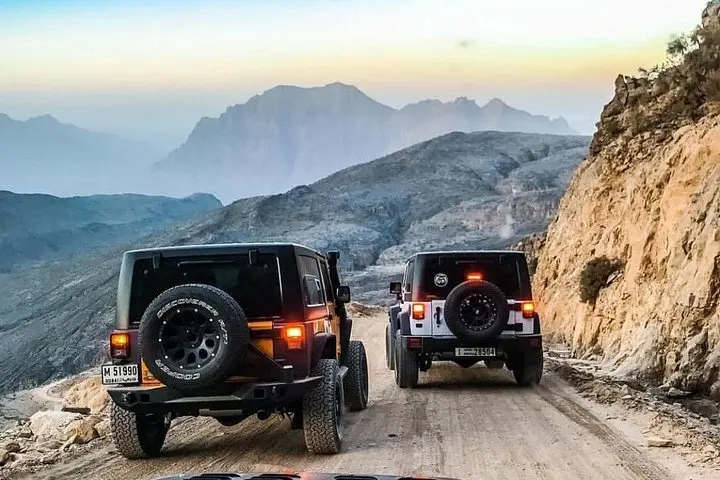
Practical side: many operators run full-day drives from Muscat (about 3–4 hours one way by road), usually with air-conditioned vehicles and optional short hikes on rough, sometimes loose trails. Temperatures can swing; mornings are cool even in summer, while winter nights can drop below freezing. If you plan to drive beyond the paved sections, expect a 4x4 requirement and basic scrambling on foot. Bring layered clothing, sun protection, and at least 2–3 liters of water per person for a day outing. Timing matters—early starts avoid heat and capture the best light for the canyon rim. Respect local villages: photography is welcome but ask before entering private spaces. With straightforward planning, Jabal Shams delivers wide, windswept panoramas and an immediate sense of Oman’s highland scale.
Expect roughly 3–4 hours one-way from Muscat depending on traffic and route; many tours are full-day with about 9 hours total duration.
The main road reaches near the rim, but further access and some viewpoints require a high-clearance 4x4—book a guided transfer if you don’t have suitable transport.
Short viewpoint walks are generally safe for experienced hikers; longer or off-trail hiking should be done with a guide because of loose rock, remote terrain, and variable weather.
Fall through spring (October–April) offers the most comfortable daytime temperatures; winter can be cold and occasionally frosty, while summer is milder on the mountain than the coast but still warm.
Muscat Advanced Tourism operates guided outdoor trips and adventures with an emphasis on safety, stewardship, and memorable experiences.
You arrive to a thinning of the air and a sudden horizon—the road climbs out of date palm villages and the land opens into a raw, stony plateau. Wind scratches across scrub and the rim of Wadi Nakhr cuts a knife-edge into the landscape; from certain viewpoints the canyon drops in sheer walls to a floor of terraced fields and tiny settlements.
You arrive to a thinning of the air and a sudden horizon—the road climbs out of date palm villages and the land opens into a raw, stony plateau. Wind scratches across scrub and the rim of Wadi Nakhr cuts a knife-edge into the landscape; from certain viewpoints the canyon drops in sheer walls to a floor of terraced fields and tiny settlements.
Geology here is raw: uplifted limestone and metamorphic rock carved by millennia of flash floods have created bedrock cliffs and broken scree slopes. Human history sits close by—abandoned stone hamlets and goat-hair rug traditions recall a hard, resourceful mountain culture that adapted to scarce water and steep terraces. Jabal Shams is the Hajar range’s highest point and the obvious vantage for both sunrise and the weathered patterns of the canyon.
Practical side: many operators run full-day drives from Muscat (about 3–4 hours one way by road), usually with air-conditioned vehicles and optional short hikes on rough, sometimes loose trails. Temperatures can swing; mornings are cool even in summer, while winter nights can drop below freezing. If you plan to drive beyond the paved sections, expect a 4x4 requirement and basic scrambling on foot. Bring layered clothing, sun protection, and at least 2–3 liters of water per person for a day outing. Timing matters—early starts avoid heat and capture the best light for the canyon rim. Respect local villages: photography is welcome but ask before entering private spaces. With straightforward planning, Jabal Shams delivers wide, windswept panoramas and an immediate sense of Oman’s highland scale.