THE ADVENTURE COLLECTIVE® · Independent discovery and booking for outdoor travel
Walk the streets of Whitechapel as expert guides separate Jack the Ripper fact from fiction. This two-hour evening tour combines archival evidence, local context, and the urban fabric of Victorian London for a grounded, atmospheric history walk.
Walk the streets of Whitechapel as expert guides separate Jack the Ripper fact from fiction. This two-hour evening tour combines archival evidence, local context, and the urban fabric of Victorian London for a grounded, atmospheric history walk.
Step into the gas-lit lanes of Whitechapel and let the narrow alleys set the tempo. The streetlamps throw long shadows across uneven cobbles; the guide’s voice cuts through the evening chill, pointing to doorways, corners, and a square that once held a crime scene. You move in a small group, eyes drawn to plaques, recessed doorways and the faint outline of later Victorian rebuilding — the city itself a record of the late 19th century.
Verified experiences and guided adventures in the surrounding area.
Operated by Side Routes · London, England
Step into the gas-lit lanes of Whitechapel and let the narrow alleys set the tempo. The streetlamps throw long shadows across uneven cobbles; the guide’s voice cuts through the evening chill, pointing to doorways, corners, and a square that once held a crime scene. You move in a small group, eyes drawn to plaques, recessed doorways and the faint outline of later Victorian rebuilding — the city itself a record of the late 19th century.
The tour threads history with urban detail: late-Victorian London, rapid population growth, overcrowded housing and the social pressures that shaped the East End in 1888. Guides separate contemporary myth from police reports and coroner notes, placing the murders within a forensic and social context rather than sensationalism. Architecturally, expect narrow terraces, winding lanes and the occasional surviving 19th-century brickwork that frames the stories. Local culture—markets, migration waves, and the Jewish and Irish communities of the time—appears alongside the darker narrative.
Practical guidance is straightforward. This is a two-hour evening walk of roughly 1.5–2 miles on flat but uneven surfaces; comfortable, closed-toe shoes and a warm, water-resistant layer are advised. Tours depart after dusk for atmosphere; book nights with clear transit options in mind. Listen for guide cues at busy intersections, respect memorials and private properties, and bring a charged phone for maps and photos. The experience is storytelling anchored in evidence—an urban history walk that asks you to observe closely and think critically.
Yes—children can attend but the content is historic and dark; parental discretion is advised for younger kids.
Expect roughly 1.5–2 miles over flat but uneven surfaces; the pace is steady and suitable for most people who can stand and walk for two hours.
Full refund available if canceled at least 24 hours before the scheduled departure; check the operator’s specific policy at booking.
Yes—Whitechapel is served by London Underground and multiple bus routes; confirm the meeting point on your ticket and allow extra time for travel.
Side Routes operates guided outdoor trips and adventures with an emphasis on safety, stewardship, and memorable experiences.
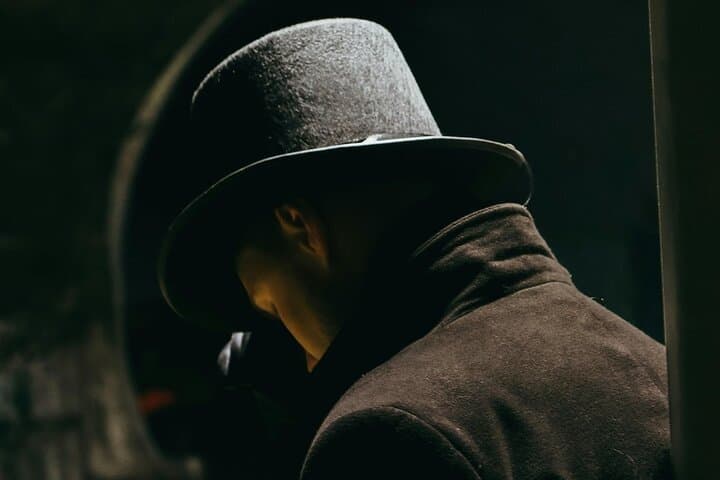
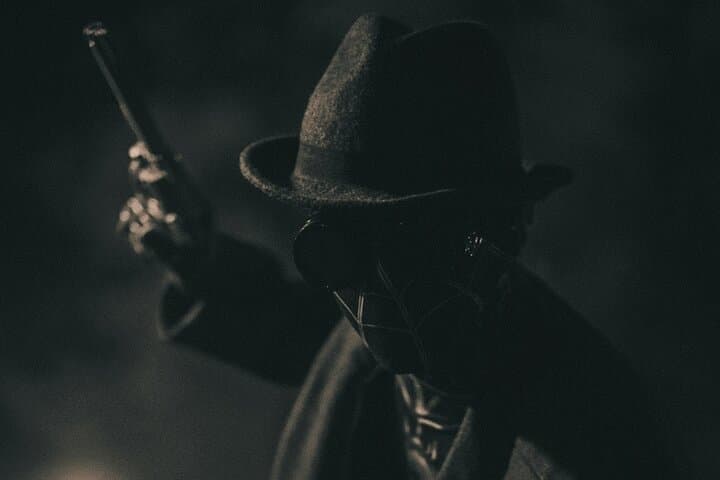
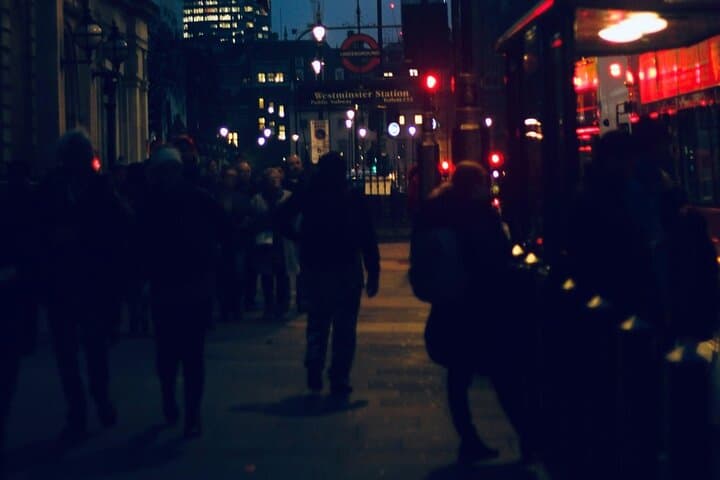
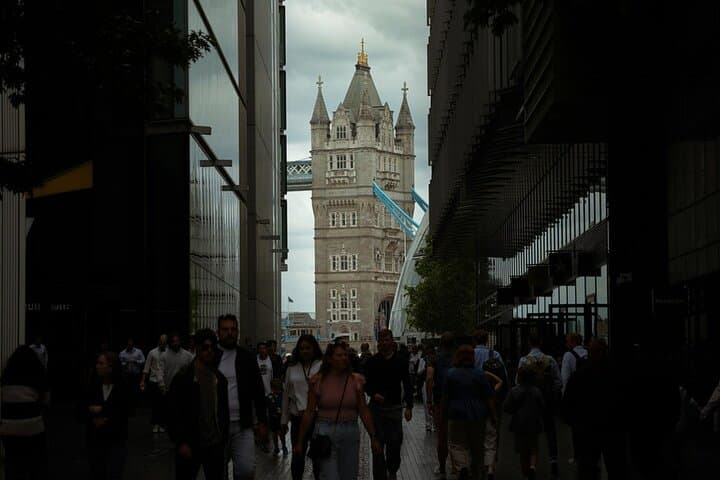
Step into the gas-lit lanes of Whitechapel and let the narrow alleys set the tempo. The streetlamps throw long shadows across uneven cobbles; the guide’s voice cuts through the evening chill, pointing to doorways, corners, and a square that once held a crime scene. You move in a small group, eyes drawn to plaques, recessed doorways and the faint outline of later Victorian rebuilding — the city itself a record of the late 19th century.
Step into the gas-lit lanes of Whitechapel and let the narrow alleys set the tempo. The streetlamps throw long shadows across uneven cobbles; the guide’s voice cuts through the evening chill, pointing to doorways, corners, and a square that once held a crime scene. You move in a small group, eyes drawn to plaques, recessed doorways and the faint outline of later Victorian rebuilding — the city itself a record of the late 19th century.
The tour threads history with urban detail: late-Victorian London, rapid population growth, overcrowded housing and the social pressures that shaped the East End in 1888. Guides separate contemporary myth from police reports and coroner notes, placing the murders within a forensic and social context rather than sensationalism. Architecturally, expect narrow terraces, winding lanes and the occasional surviving 19th-century brickwork that frames the stories. Local culture—markets, migration waves, and the Jewish and Irish communities of the time—appears alongside the darker narrative.
Practical guidance is straightforward. This is a two-hour evening walk of roughly 1.5–2 miles on flat but uneven surfaces; comfortable, closed-toe shoes and a warm, water-resistant layer are advised. Tours depart after dusk for atmosphere; book nights with clear transit options in mind. Listen for guide cues at busy intersections, respect memorials and private properties, and bring a charged phone for maps and photos. The experience is storytelling anchored in evidence—an urban history walk that asks you to observe closely and think critically.
