THE ADVENTURE COLLECTIVE® · Independent discovery and booking for outdoor travel

Walk the East End streets where Jack the Ripper’s trail of unsolved murders began. This two‑hour guided tour pairs forensic detail with local history and practical guidance for navigating historic, uneven streets.
Walk the East End streets where Jack the Ripper’s trail of unsolved murders began. This two‑hour guided tour pairs forensic detail with local history and practical guidance for navigating historic, uneven streets.
Fog clings to narrow alleys and the East End’s brick facades lean in close as a guide leads the group beneath sodium streetlamps. On this two‑hour guided walk, visitors move through the streets where late‑Victorian London’s poorest neighborhoods met the Thames, tracing routes that stitch together three of the crime scenes linked to the Jack the Ripper case.
Verified experiences and guided adventures in the surrounding area.
Operated by Brit Movie Tours · London, England
Fog clings to narrow alleys and the East End’s brick facades lean in close as a guide leads the group beneath sodium streetlamps. On this two‑hour guided walk, visitors move through the streets where late‑Victorian London’s poorest neighborhoods met the Thames, tracing routes that stitch together three of the crime scenes linked to the Jack the Ripper case.
The East End’s history is visible in its fabric: former marshland reclaimed from the River Thames, Georgian warehouses repurposed into markets, and streets once packed with dockworkers and immigrant communities. Geology and urban growth shaped the cluttered lanes that made the area hard for police to patrol in the 1880s; social history explains why victims and witnesses were often marginalised, feeding the mystery that endures.
A professional “Ripperologist” frames theories and evidence while pointing out surviving architectural details and modern memorials. Discussion moves from forensic theories to cultural responses — literature, press sensationalism, and the later regeneration of Spitalfields and Brick Lane.
Practical info is straightforward: the walk is about two hours over uneven pavements with frequent stops, suitable for those with moderate fitness. Wear sturdy shoes, dress for rain and cold, and expect city traffic and tight passages. Guides ask that visitors show respect at sensitive sites and follow directions in busy areas. It’s a focused urban history experience that combines storytelling, primary locations, and clear safety guidance for an immersive, sobering look at one of London’s most discussed mysteries.
The guided walk lasts about two hours and covers roughly 1–2 miles with several stops at historic points; pace is moderate with periods of standing.
Older children interested in history may attend, but the subject matter can be graphic; check content suitability and the tour operator’s age recommendations.
Tours typically start in the Whitechapel/Spitalfields area and are easily reached by Tube or bus—check your ticket confirmation for the exact meeting point.
Standard cancellation allows a full refund if cancelled at least 24 hours before departure; confirm the operator’s policy at booking.
Brit Movie Tours operates guided outdoor trips and adventures with an emphasis on safety, stewardship, and memorable experiences.
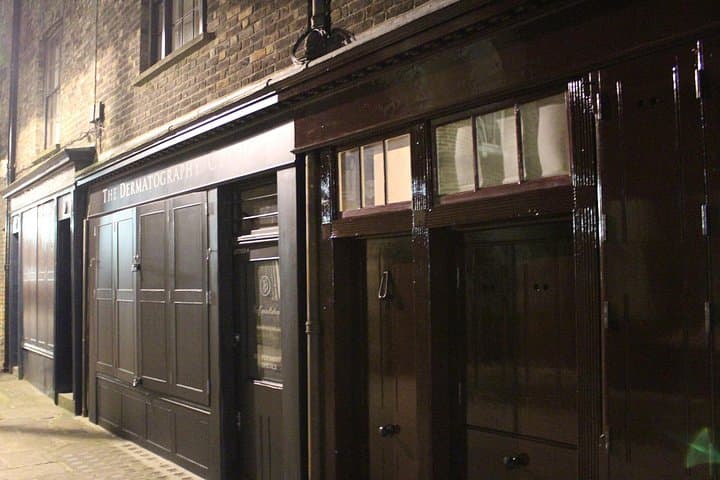
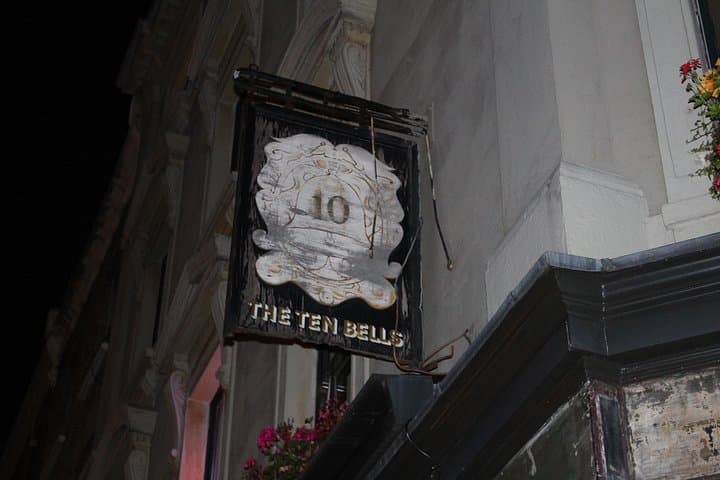
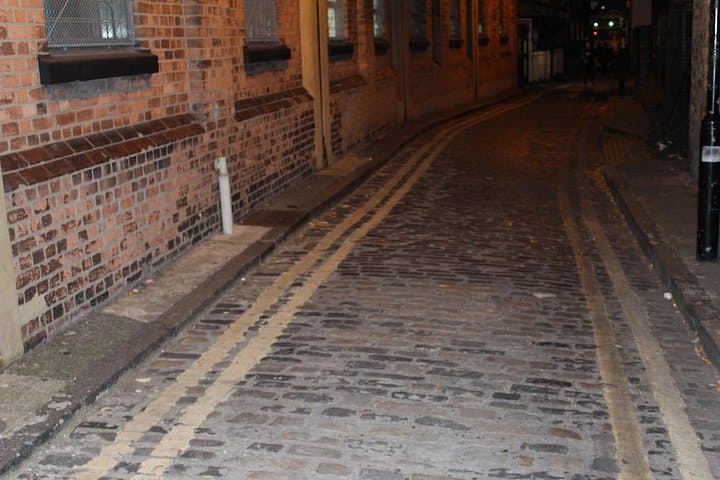
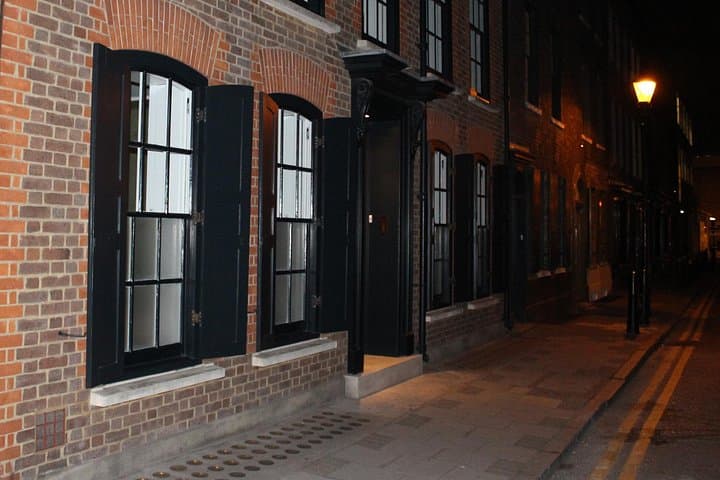
Fog clings to narrow alleys and the East End’s brick facades lean in close as a guide leads the group beneath sodium streetlamps. On this two‑hour guided walk, visitors move through the streets where late‑Victorian London’s poorest neighborhoods met the Thames, tracing routes that stitch together three of the crime scenes linked to the Jack the Ripper case.
Fog clings to narrow alleys and the East End’s brick facades lean in close as a guide leads the group beneath sodium streetlamps. On this two‑hour guided walk, visitors move through the streets where late‑Victorian London’s poorest neighborhoods met the Thames, tracing routes that stitch together three of the crime scenes linked to the Jack the Ripper case.
The East End’s history is visible in its fabric: former marshland reclaimed from the River Thames, Georgian warehouses repurposed into markets, and streets once packed with dockworkers and immigrant communities. Geology and urban growth shaped the cluttered lanes that made the area hard for police to patrol in the 1880s; social history explains why victims and witnesses were often marginalised, feeding the mystery that endures.
A professional “Ripperologist” frames theories and evidence while pointing out surviving architectural details and modern memorials. Discussion moves from forensic theories to cultural responses — literature, press sensationalism, and the later regeneration of Spitalfields and Brick Lane.
Practical info is straightforward: the walk is about two hours over uneven pavements with frequent stops, suitable for those with moderate fitness. Wear sturdy shoes, dress for rain and cold, and expect city traffic and tight passages. Guides ask that visitors show respect at sensitive sites and follow directions in busy areas. It’s a focused urban history experience that combines storytelling, primary locations, and clear safety guidance for an immersive, sobering look at one of London’s most discussed mysteries.