THE ADVENTURE COLLECTIVE® · Independent discovery and booking for outdoor travel

Explore Jackson Ward on a focused, one‑hour walking tour that tracks Richmond’s Black entrepreneurs, artists, and institutions. Meet outside Mama J’s Kitchen for accessible, expert-led storytelling through buildings and blocks that shaped the ‘Harlem of the South.’
Explore Jackson Ward on a focused, one‑hour walking tour that tracks Richmond’s Black entrepreneurs, artists, and institutions. Meet outside Mama J’s Kitchen for accessible, expert-led storytelling through buildings and blocks that shaped the ‘Harlem of the South.’
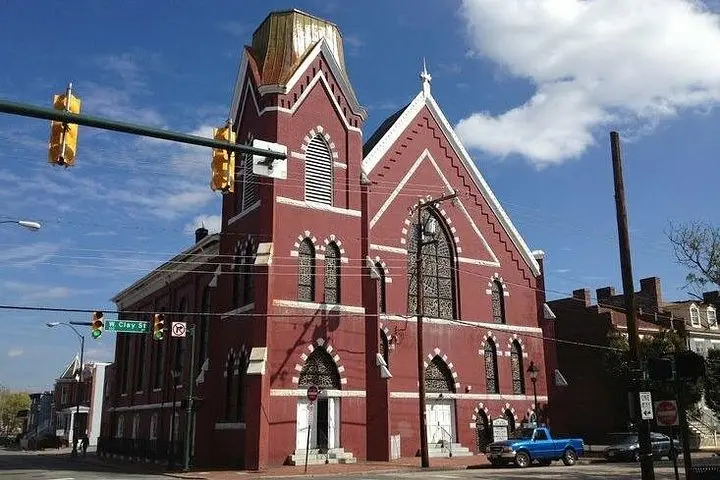
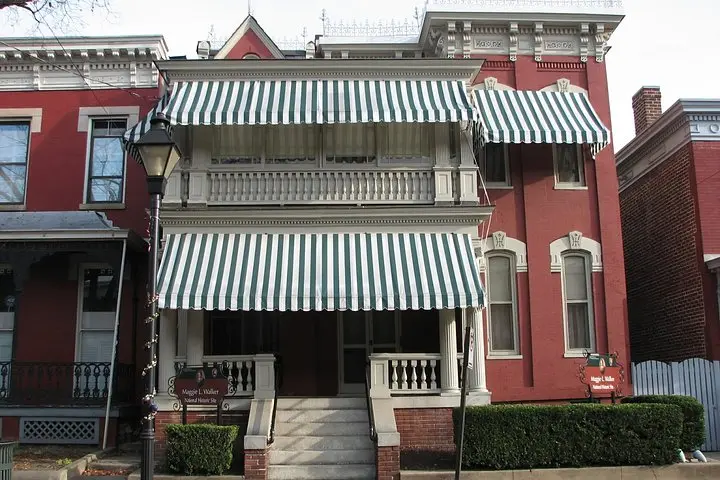
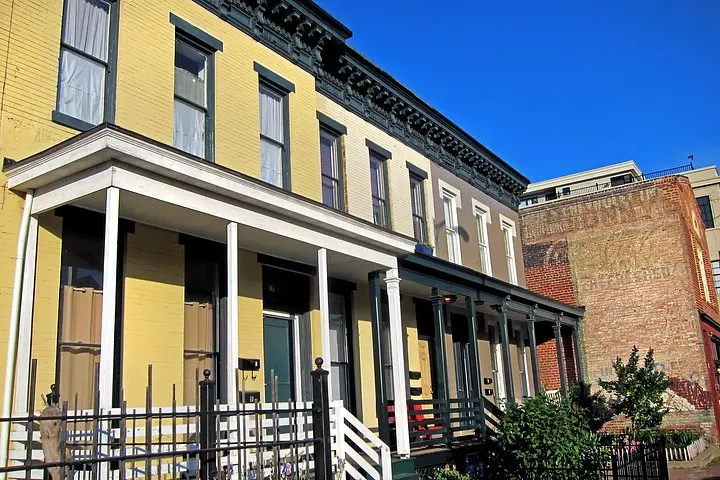
Outside Mama J’s Kitchen, the street feels like a page being turned: brick facades shoulder the sidewalk and voices—past and present—move through the air. The guide leads a compact group into the Jackson Ward, where Victorian rowhouses and former bank buildings stand like archived chapters of a neighborhood once called the “Harlem of the South.”
Verified experiences and guided adventures in the surrounding area.
Operated by Old Dominion Tours · Richmond, Virginia
Outside Mama J’s Kitchen, the street feels like a page being turned: brick facades shoulder the sidewalk and voices—past and present—move through the air. The guide leads a compact group into the Jackson Ward, where Victorian rowhouses and former bank buildings stand like archived chapters of a neighborhood once called the “Harlem of the South.”
Jackson Ward’s rise traces post‑Civil War Black entrepreneurship, from barbers and bankers to theaters and insurance firms that anchored a self‑sustaining economy despite segregation. The district sits atop Richmond’s flat fall-line plain, a short walk from the James River; its streets are layered with industrial-era brick, streetcar routes, and the scars of urban renewal that reshaped communities in the 20th century.
On this one‑hour walking tour you’ll hear stories of entrepreneurs, political leaders, and artists who built institutions here—Maggie Walker’s bank, local theaters, and clubs that kept culture and commerce moving. Guides point out architectural details, interpretive plaques, and buildings repurposed for contemporary use, giving context to both triumphs and losses.
Practical guidance: wear sturdy shoes for uneven sidewalks and bring a small water bottle—the tour moves at an accessible, conversational pace but includes short blocks between stops. Mornings and late afternoons offer the best light for photos and cooler temperatures in summer. The meeting point is wheelchair accessible and close to public transit; tours cap at about 25 people, making it intimate and easy to ask questions. Expect a mix of archival anecdotes and present-day reflections that make the neighborhood’s layered history easy to follow and hard to forget.
The tour lasts approximately 60 minutes and covers several blocks of Jackson Ward with stops at key buildings and sites.
Yes—meeting point and tour surfaces are wheelchair accessible; staff note accessibility in the listing and can accommodate most needs.
Groups meet outside Mama J’s Kitchen in Jackson Ward; details and exact location are provided on your booking confirmation.
Yes—strollers are allowed and the tour is family‑friendly, though content covers serious historical topics and is paced for adults and older children.
Old Dominion Tours operates guided outdoor trips and adventures with an emphasis on safety, stewardship, and memorable experiences.

Outside Mama J’s Kitchen, the street feels like a page being turned: brick facades shoulder the sidewalk and voices—past and present—move through the air. The guide leads a compact group into the Jackson Ward, where Victorian rowhouses and former bank buildings stand like archived chapters of a neighborhood once called the “Harlem of the South.”
Outside Mama J’s Kitchen, the street feels like a page being turned: brick facades shoulder the sidewalk and voices—past and present—move through the air. The guide leads a compact group into the Jackson Ward, where Victorian rowhouses and former bank buildings stand like archived chapters of a neighborhood once called the “Harlem of the South.”
Jackson Ward’s rise traces post‑Civil War Black entrepreneurship, from barbers and bankers to theaters and insurance firms that anchored a self‑sustaining economy despite segregation. The district sits atop Richmond’s flat fall-line plain, a short walk from the James River; its streets are layered with industrial-era brick, streetcar routes, and the scars of urban renewal that reshaped communities in the 20th century.
On this one‑hour walking tour you’ll hear stories of entrepreneurs, political leaders, and artists who built institutions here—Maggie Walker’s bank, local theaters, and clubs that kept culture and commerce moving. Guides point out architectural details, interpretive plaques, and buildings repurposed for contemporary use, giving context to both triumphs and losses.
Practical guidance: wear sturdy shoes for uneven sidewalks and bring a small water bottle—the tour moves at an accessible, conversational pace but includes short blocks between stops. Mornings and late afternoons offer the best light for photos and cooler temperatures in summer. The meeting point is wheelchair accessible and close to public transit; tours cap at about 25 people, making it intimate and easy to ask questions. Expect a mix of archival anecdotes and present-day reflections that make the neighborhood’s layered history easy to follow and hard to forget.