THE ADVENTURE COLLECTIVE® · Independent discovery and booking for outdoor travel

Ride a scenic train or private vehicle to Jade Dragon Snow Mountain, climb the Glacier Cableway to 4,580 m, and descend to the jewel-blue Baishui River of Blue Moon Valley. Expect high-elevation vistas, Naxi cultural touchpoints, and a long but rewarding day of alpine scenery.
Ride a scenic train or private vehicle to Jade Dragon Snow Mountain, climb the Glacier Cableway to 4,580 m, and descend to the jewel-blue Baishui River of Blue Moon Valley. Expect high-elevation vistas, Naxi cultural touchpoints, and a long but rewarding day of alpine scenery.
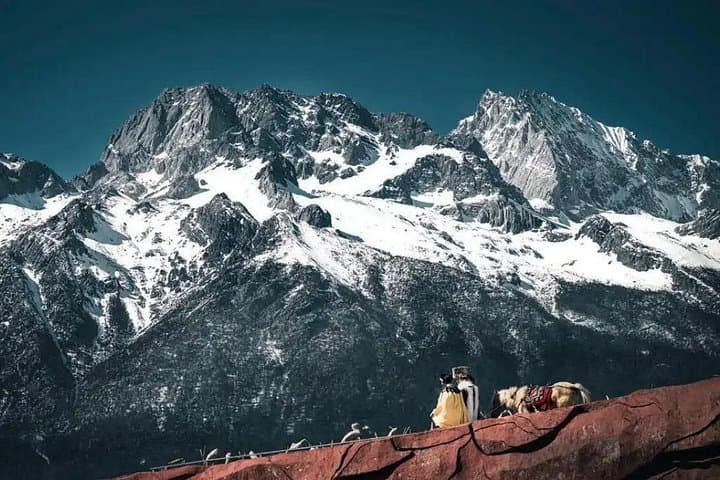
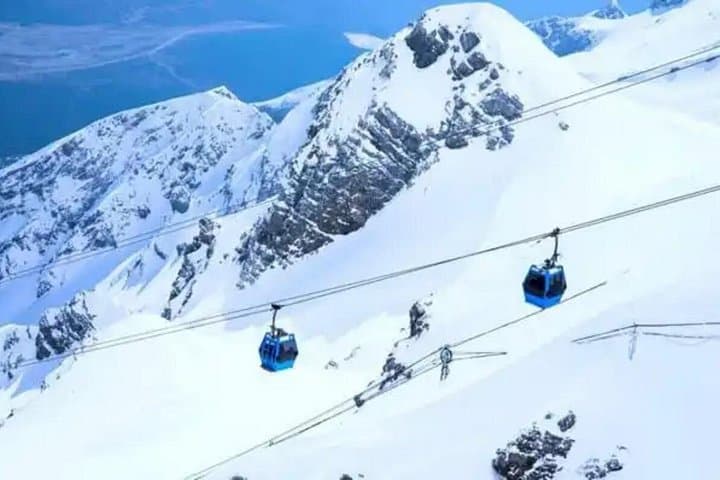
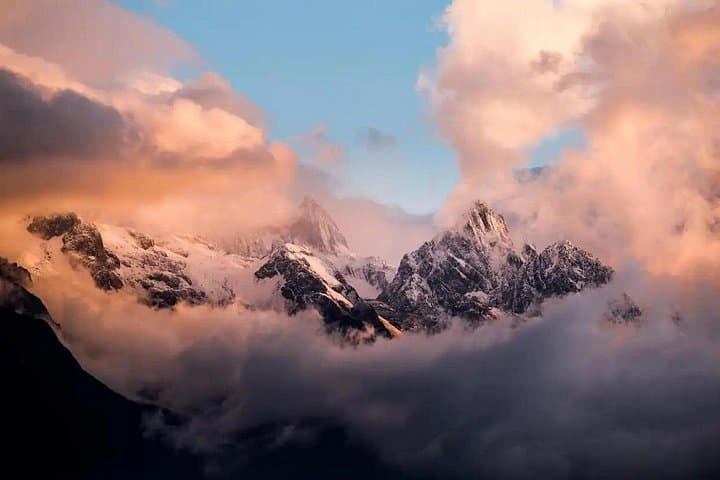
Morning light thins over Dongba Valley and the mountain exhales a ribbon of cloud — you board a low-slung scenic train or a private vehicle and move north toward the teeth of Yulong (Jade Dragon) Snow Mountain. The cableway lifts you above spruce forest; the air grows thin and sharp, and the glacier park opens like an arctic theater at 4,580 m, a panorama of hanging ice and crevassed ridges. Downhill, Blue Moon Valley’s Baishui River dares you to stare at its impossible blue and pale limestone bed.
Verified experiences and guided adventures in the surrounding area.
Operated by Yunnan Tours · Lijiang, Yunnan
Morning light thins over Dongba Valley and the mountain exhales a ribbon of cloud — you board a low-slung scenic train or a private vehicle and move north toward the teeth of Yulong (Jade Dragon) Snow Mountain. The cableway lifts you above spruce forest; the air grows thin and sharp, and the glacier park opens like an arctic theater at 4,580 m, a panorama of hanging ice and crevassed ridges. Downhill, Blue Moon Valley’s Baishui River dares you to stare at its impossible blue and pale limestone bed.
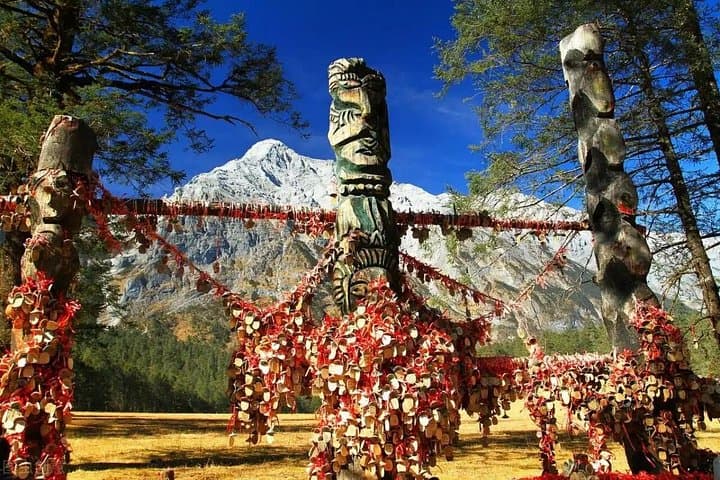
Geology here is visceral: a string of 13 peaks carved by glaciers and frozen runoff, Shanzidou reaching roughly 5,596 m, with cirque and hanging glaciers that feed the white-water channels below. Culturally the slopes belong to the Naxi and local Tibetan and Yi communities — Dongba religion and age-old pasture economies still shape village life at Yushui and the Yak Plateau. The modern touch is Impression Lijiang, an outdoor performance staged at 3,100 m that frames living culture against the mountain.
Practical guide: plan on a 6–10 hour day with early start for sunrise viewing; allow time for cableway queues and the shuttle to Blue Moon Valley. Altitude matters — acclimatize in Lijiang, drink fluids, move slowly and avoid heavy exertion above 3,000 m if you’re unacclimated. Wear layered insulation and a windproof shell, bring sunscreen (UV is strong), and sturdy shoes for rocky viewpoints. If you want the show or a private guide, book in advance; train-and-cableway combinations reduce road time and make the day efficient.
The Glacier Cableway brings visitors to viewing platforms around 4,580 m on the Shanzidou massif, though the mountain’s highest peak reaches about 5,596 m.
Both options exist — the tour offers private guides for added context and logistics, but self-guided visitors can use online support and pre-booked tickets if comfortable navigating transfers.
Blue Moon Valley (Baishui River) is a crescent-shaped valley below the glaciers; its striking color comes from glacial melt and the limestone riverbed that reflects pale blue tones on sunny days.
The outdoor cultural performance is family-friendly but staged at high elevation (around 3,100 m); children and adults should be monitored for altitude symptoms and dress warmly.
Yunnan Tours operates guided outdoor trips and adventures with an emphasis on safety, stewardship, and memorable experiences.
Morning light thins over Dongba Valley and the mountain exhales a ribbon of cloud — you board a low-slung scenic train or a private vehicle and move north toward the teeth of Yulong (Jade Dragon) Snow Mountain. The cableway lifts you above spruce forest; the air grows thin and sharp, and the glacier park opens like an arctic theater at 4,580 m, a panorama of hanging ice and crevassed ridges. Downhill, Blue Moon Valley’s Baishui River dares you to stare at its impossible blue and pale limestone bed.
Morning light thins over Dongba Valley and the mountain exhales a ribbon of cloud — you board a low-slung scenic train or a private vehicle and move north toward the teeth of Yulong (Jade Dragon) Snow Mountain. The cableway lifts you above spruce forest; the air grows thin and sharp, and the glacier park opens like an arctic theater at 4,580 m, a panorama of hanging ice and crevassed ridges. Downhill, Blue Moon Valley’s Baishui River dares you to stare at its impossible blue and pale limestone bed.
Geology here is visceral: a string of 13 peaks carved by glaciers and frozen runoff, Shanzidou reaching roughly 5,596 m, with cirque and hanging glaciers that feed the white-water channels below. Culturally the slopes belong to the Naxi and local Tibetan and Yi communities — Dongba religion and age-old pasture economies still shape village life at Yushui and the Yak Plateau. The modern touch is Impression Lijiang, an outdoor performance staged at 3,100 m that frames living culture against the mountain.
Practical guide: plan on a 6–10 hour day with early start for sunrise viewing; allow time for cableway queues and the shuttle to Blue Moon Valley. Altitude matters — acclimatize in Lijiang, drink fluids, move slowly and avoid heavy exertion above 3,000 m if you’re unacclimated. Wear layered insulation and a windproof shell, bring sunscreen (UV is strong), and sturdy shoes for rocky viewpoints. If you want the show or a private guide, book in advance; train-and-cableway combinations reduce road time and make the day efficient.