THE ADVENTURE COLLECTIVE® · Independent discovery and booking for outdoor travel

Spend a day combining wildlife rehabilitation at the Jaguar Rescue Center with an easy, wildlife-rich walk through Cahuita National Park. This guided, bilingual tour mixes conservation education with coastal rainforest and beachside trail time.
Spend a day combining wildlife rehabilitation at the Jaguar Rescue Center with an easy, wildlife-rich walk through Cahuita National Park. This guided, bilingual tour mixes conservation education with coastal rainforest and beachside trail time.
Morning light hits the metal roofs of the Jaguar Rescue Center and the air fills with the rat-a-tat of tropical birds — that’s where the day begins. Walkways thread through large enclosures and shaded recovery paddocks; sloths blink lazily, toucans chatter like punctuation, and small monkeys pace with nervous curiosity. Knowledgeable caretakers narrate individual stories of rescue and rehabilitation, showing how animals regain strength before a hoped-for return to the wild.
Verified experiences and guided adventures in the surrounding area.
Operated by Syl Travel Day Tours · Puerto Viejo de Talamanca, Limón
Morning light hits the metal roofs of the Jaguar Rescue Center and the air fills with the rat-a-tat of tropical birds — that’s where the day begins. Walkways thread through large enclosures and shaded recovery paddocks; sloths blink lazily, toucans chatter like punctuation, and small monkeys pace with nervous curiosity. Knowledgeable caretakers narrate individual stories of rescue and rehabilitation, showing how animals regain strength before a hoped-for return to the wild.
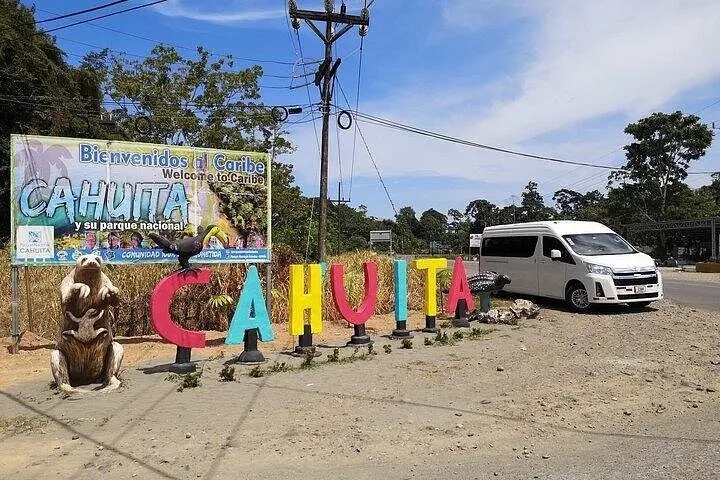
Later, the bus slips down the coastal road to Cahuita National Park, where the trail is a flat 2-kilometer ribbon between beach and secondary forest. The path moves calmly — mangroves crowd at the edges, frogs hide under leaf litter, and the reef offshore tugs at your attention with pale-blue channels. The region’s Afro‑Caribbean heritage colors lunches and village life; local guides often weave cultural notes into natural history, explaining how coastal fishing and banana trade shaped Limón Province.
Geologically the park sits on a low coastal plain underlain by marine sediments and coral formations, which is why snorkeling and reef viewing are strong draws here. Expect easy, wildlife-rich walking: howler calls that seem to push you along, dart frogs flashing like punctuation, and the slow gaze of sloths in the canopy.
Practical edge: this is a seven-hour, guided outing with bilingual commentary, air‑conditioned transport, bottled water, and two short, accessible stops — a 90‑minute rescue-center visit and a guided 2‑km forest walk. Wear closed-toe shoes, bring insect repellent, and plan for brief rain at any time of year.
No — the center rescues many species but does not house jaguars permanently; expect sloths, monkeys, birds, reptiles, and smaller mammals.
Lunch is optional and not included; the itinerary stops at a local restaurant where you can buy Caribbean-style dishes.
The main trail is a flat, 2-kilometer walk along beach and secondary forest and is accessible to most visitors.
This tour focuses on the rescue center and guided walk; snorkeling is not included, though guides can point out reef areas from shore.
Syl Travel Day Tours operates guided outdoor trips and adventures with an emphasis on safety, stewardship, and memorable experiences.
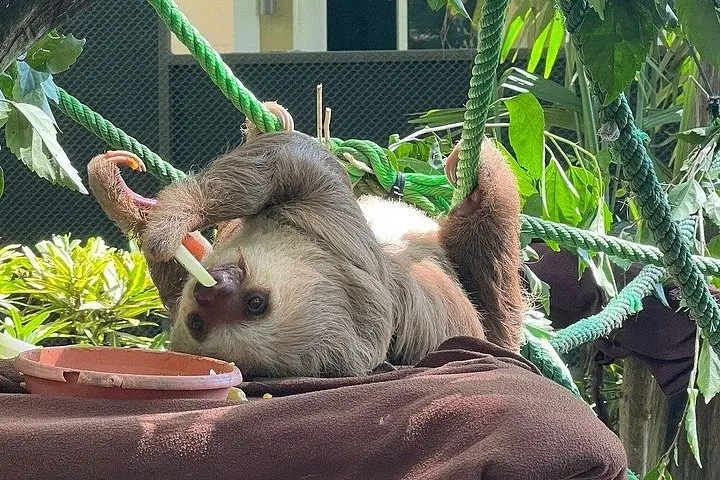
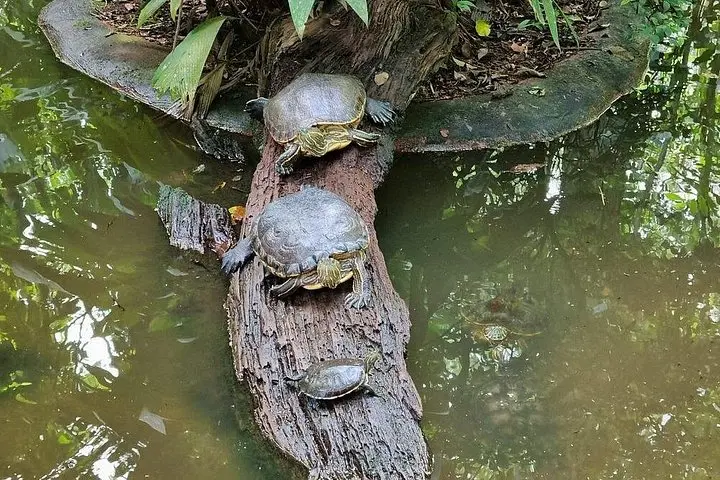
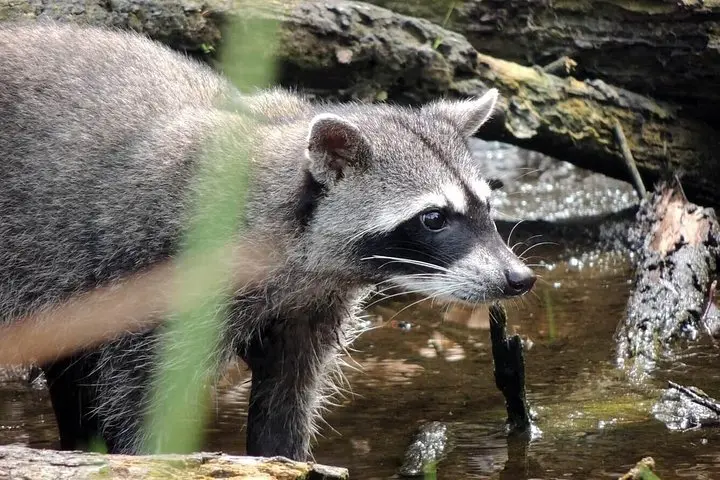
Morning light hits the metal roofs of the Jaguar Rescue Center and the air fills with the rat-a-tat of tropical birds — that’s where the day begins. Walkways thread through large enclosures and shaded recovery paddocks; sloths blink lazily, toucans chatter like punctuation, and small monkeys pace with nervous curiosity. Knowledgeable caretakers narrate individual stories of rescue and rehabilitation, showing how animals regain strength before a hoped-for return to the wild.
Morning light hits the metal roofs of the Jaguar Rescue Center and the air fills with the rat-a-tat of tropical birds — that’s where the day begins. Walkways thread through large enclosures and shaded recovery paddocks; sloths blink lazily, toucans chatter like punctuation, and small monkeys pace with nervous curiosity. Knowledgeable caretakers narrate individual stories of rescue and rehabilitation, showing how animals regain strength before a hoped-for return to the wild.
Later, the bus slips down the coastal road to Cahuita National Park, where the trail is a flat 2-kilometer ribbon between beach and secondary forest. The path moves calmly — mangroves crowd at the edges, frogs hide under leaf litter, and the reef offshore tugs at your attention with pale-blue channels. The region’s Afro‑Caribbean heritage colors lunches and village life; local guides often weave cultural notes into natural history, explaining how coastal fishing and banana trade shaped Limón Province.
Geologically the park sits on a low coastal plain underlain by marine sediments and coral formations, which is why snorkeling and reef viewing are strong draws here. Expect easy, wildlife-rich walking: howler calls that seem to push you along, dart frogs flashing like punctuation, and the slow gaze of sloths in the canopy.
Practical edge: this is a seven-hour, guided outing with bilingual commentary, air‑conditioned transport, bottled water, and two short, accessible stops — a 90‑minute rescue-center visit and a guided 2‑km forest walk. Wear closed-toe shoes, bring insect repellent, and plan for brief rain at any time of year.