THE ADVENTURE COLLECTIVE® · Independent discovery and booking for outdoor travel

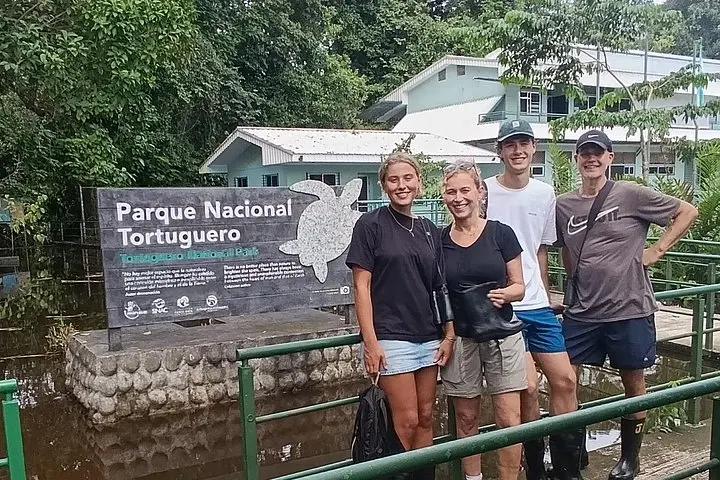
Step off the dock and onto Jaguar Trail for a two‑hour guided rainforest walk in Tortuguero National Park. This easy hike offers close wildlife encounters, bilingual interpretation, and low-impact exploration of Costa Rica’s Caribbean lowlands.
Step off the dock and onto Jaguar Trail for a two‑hour guided rainforest walk in Tortuguero National Park. This easy hike offers close wildlife encounters, bilingual interpretation, and low-impact exploration of Costa Rica’s Caribbean lowlands.
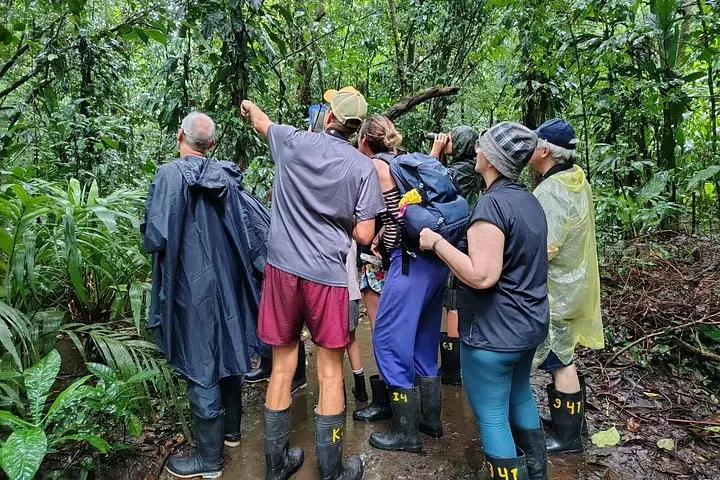
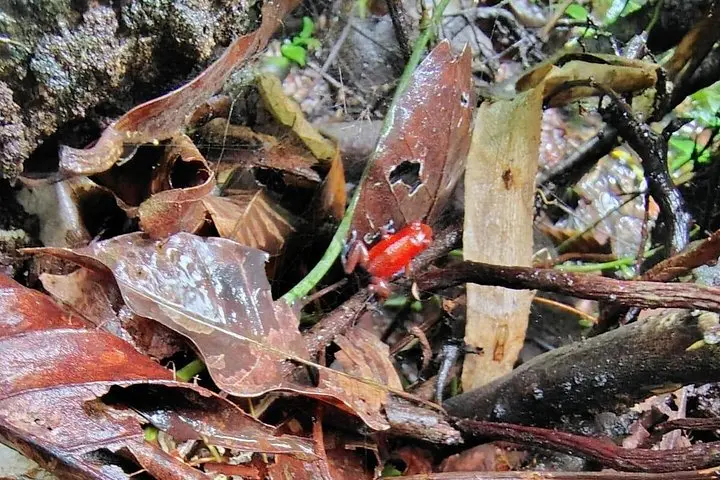
The path opens like a held breath: damp leaf litter underfoot, a chorus of unseen birds answering each step, and the humid air pressing pleasantly against your skin. You follow a local guide along Jaguar Trail, where sunlight finds scattered gaps through the high canopy and the forest seems to lean in to listen. Monkeys chatter above, a sloth moves with ancient deliberation, and darting frogs flash color at the water’s edge.
Verified experiences and guided adventures in the surrounding area.
Operated by Jairo Nature Tours · Tortuguero, Limón
The path opens like a held breath: damp leaf litter underfoot, a chorus of unseen birds answering each step, and the humid air pressing pleasantly against your skin. You follow a local guide along Jaguar Trail, where sunlight finds scattered gaps through the high canopy and the forest seems to lean in to listen. Monkeys chatter above, a sloth moves with ancient deliberation, and darting frogs flash color at the water’s edge.
Tortuguero sits on Costa Rica’s Caribbean lowlands, formed by sediment from river deltas and shaped by tides and rain rather than elevation. The park’s history is human and natural: indigenous use of the land, later Afro-Caribbean settlement in Tortuguero village, and decades of conservation focused on sea turtles and inland wildlife. The trail itself runs across low, flat terrain—primarily packed dirt, raised boardwalks in marshy sections, and exposed roots—offering close-up views of giant trees, medicinal plants, and tracks in the mud.
Expect roughly 2–3 km of hiking with almost no elevation gain (under 20 m), largely easy walking but with muddy sections after rain. Guides punctuate the walk with natural history, local folklore, and bilingual interpretation that makes animal calls and plant uses come alive.
Practical tips: go in the morning when wildlife is active, wear closed-toe shoes with grip, bring insect repellent and 1 L of water, and pack a light rain jacket. Move quietly, keep cameras ready, and give animals space—the trail rewards patience with memorable sightings and quiet moments beneath a living canopy.
The guided experience runs about 2 hours and typically covers 2–3 km on mostly flat terrain with occasional muddy sections.
The walk is rated easy and suitable for most ages, but participants should be able to walk on uneven ground and may need assistance on muddy boardwalks.
Jaguars are extremely elusive; the trail is named for the local wildlife presence, but sightings are rare—expect monkeys, sloths, birds, frogs, and other common rainforest species.
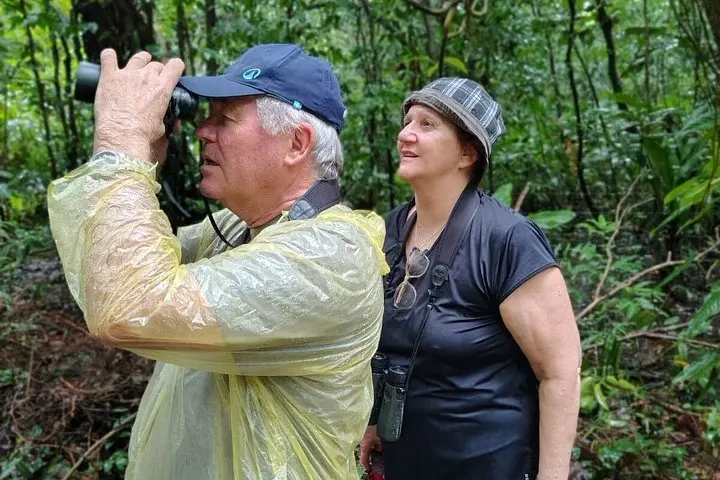
A zoom lens (200–400mm recommended) helps for treetop birds and mammals; a waterproof cover or quick-dry cloth is useful given humid conditions.
Jairo Nature Tours operates guided outdoor trips and adventures with an emphasis on safety, stewardship, and memorable experiences.
The path opens like a held breath: damp leaf litter underfoot, a chorus of unseen birds answering each step, and the humid air pressing pleasantly against your skin. You follow a local guide along Jaguar Trail, where sunlight finds scattered gaps through the high canopy and the forest seems to lean in to listen. Monkeys chatter above, a sloth moves with ancient deliberation, and darting frogs flash color at the water’s edge.
The path opens like a held breath: damp leaf litter underfoot, a chorus of unseen birds answering each step, and the humid air pressing pleasantly against your skin. You follow a local guide along Jaguar Trail, where sunlight finds scattered gaps through the high canopy and the forest seems to lean in to listen. Monkeys chatter above, a sloth moves with ancient deliberation, and darting frogs flash color at the water’s edge.
Tortuguero sits on Costa Rica’s Caribbean lowlands, formed by sediment from river deltas and shaped by tides and rain rather than elevation. The park’s history is human and natural: indigenous use of the land, later Afro-Caribbean settlement in Tortuguero village, and decades of conservation focused on sea turtles and inland wildlife. The trail itself runs across low, flat terrain—primarily packed dirt, raised boardwalks in marshy sections, and exposed roots—offering close-up views of giant trees, medicinal plants, and tracks in the mud.
Expect roughly 2–3 km of hiking with almost no elevation gain (under 20 m), largely easy walking but with muddy sections after rain. Guides punctuate the walk with natural history, local folklore, and bilingual interpretation that makes animal calls and plant uses come alive.
Practical tips: go in the morning when wildlife is active, wear closed-toe shoes with grip, bring insect repellent and 1 L of water, and pack a light rain jacket. Move quietly, keep cameras ready, and give animals space—the trail rewards patience with memorable sightings and quiet moments beneath a living canopy.