THE ADVENTURE COLLECTIVE® · Independent discovery and booking for outdoor travel

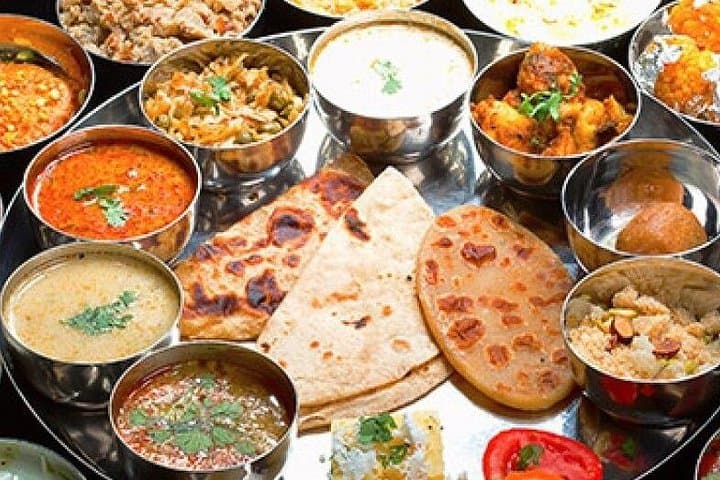
Walk a Jaipur market with a host, gather ingredients, then learn home-style Rajasthani cooking in a private kitchen. This 3–4 hour experience blends market insight with hands-on culinary practice and a shared meal.
Walk a Jaipur market with a host, gather ingredients, then learn home-style Rajasthani cooking in a private kitchen. This 3–4 hour experience blends market insight with hands-on culinary practice and a shared meal.
Dusty lanes hum with commerce as you step from an air-conditioned car into Jaipur’s market air—spices heat the breeze, chilis flash like coins, and milk vendors call new arrivals. The tour begins here: a guided walk through a neighborhood bazaar to select ingredients, then into a host’s kitchen where pulse and ghee replace spectacle with craft.
Verified experiences and guided adventures in the surrounding area.
Operated by SITA World Tours · Jaipur, Rajasthan
Dusty lanes hum with commerce as you step from an air-conditioned car into Jaipur’s market air—spices heat the breeze, chilis flash like coins, and milk vendors call new arrivals. The tour begins here: a guided walk through a neighborhood bazaar to select ingredients, then into a host’s kitchen where pulse and ghee replace spectacle with craft.
Rajasthani food developed under arid conditions, favoring preserved dairy, lentils and grains over water-heavy methods. That history is visible in the market: ropes of dried chilies, jars of pickles, and stacked legumes speak to storage and flavor. The cooking demonstration focuses on regional techniques—tempering spices, conserving liquids with dairy, and using minimal heat for layered flavor—paired with a shared meal in a private home.
Culturally, this is a people-to-people exchange; hosts often explain family recipes and the social role of food in Rajasthani festivals. Logistically, expect 3–4 hours including hotel transfer in an AC vehicle, a 30–60 minute market walk, and hands-on or observational cooking. Wear modest, breathable clothing and closed-toe shoes for market alleys. Bring cash for incidental buys and note dietary needs in advance—hosts commonly accommodate vegetarian diets but may use ghee and dairy liberally.
Practical tips: arrive with an appetite, keep sun protection handy for mid-day markets, and be prepared for sensory intensity—aroma, color, and rhythm. The result is not just a meal but a clearer picture of how Rajasthan’s landscape shaped its food and daily life.
Yes—private air-conditioned pickup and drop-off within Jaipur are included in the tour.
Rajasthani cuisine is largely vegetarian and hosts typically accommodate vegetarian diets; vegan requests should be noted in advance due to common use of ghee and dairy.
Expect a 20–60 minute market walk on uneven streets plus standing time in a home kitchen; bring comfortable shoes.
Children under 15 must be accompanied by an adult; inform the operator when booking so arrangements can be made.
SITA World Tours operates guided outdoor trips and adventures with an emphasis on safety, stewardship, and memorable experiences.


Dusty lanes hum with commerce as you step from an air-conditioned car into Jaipur’s market air—spices heat the breeze, chilis flash like coins, and milk vendors call new arrivals. The tour begins here: a guided walk through a neighborhood bazaar to select ingredients, then into a host’s kitchen where pulse and ghee replace spectacle with craft.
Dusty lanes hum with commerce as you step from an air-conditioned car into Jaipur’s market air—spices heat the breeze, chilis flash like coins, and milk vendors call new arrivals. The tour begins here: a guided walk through a neighborhood bazaar to select ingredients, then into a host’s kitchen where pulse and ghee replace spectacle with craft.
Rajasthani food developed under arid conditions, favoring preserved dairy, lentils and grains over water-heavy methods. That history is visible in the market: ropes of dried chilies, jars of pickles, and stacked legumes speak to storage and flavor. The cooking demonstration focuses on regional techniques—tempering spices, conserving liquids with dairy, and using minimal heat for layered flavor—paired with a shared meal in a private home.
Culturally, this is a people-to-people exchange; hosts often explain family recipes and the social role of food in Rajasthani festivals. Logistically, expect 3–4 hours including hotel transfer in an AC vehicle, a 30–60 minute market walk, and hands-on or observational cooking. Wear modest, breathable clothing and closed-toe shoes for market alleys. Bring cash for incidental buys and note dietary needs in advance—hosts commonly accommodate vegetarian diets but may use ghee and dairy liberally.
Practical tips: arrive with an appetite, keep sun protection handy for mid-day markets, and be prepared for sensory intensity—aroma, color, and rhythm. The result is not just a meal but a clearer picture of how Rajasthan’s landscape shaped its food and daily life.