THE ADVENTURE COLLECTIVE® · Independent discovery and booking for outdoor travel

Walk Jaipur’s old city with a local guide who strings together Jantar Mantar, City Palace, Hawa Mahal and lively bazaars into a 2½-hour cultural immersion. Expect flat, paved streets, temple rituals, and close-up looks at traditional crafts.
Walk Jaipur’s old city with a local guide who strings together Jantar Mantar, City Palace, Hawa Mahal and lively bazaars into a 2½-hour cultural immersion. Expect flat, paved streets, temple rituals, and close-up looks at traditional crafts.
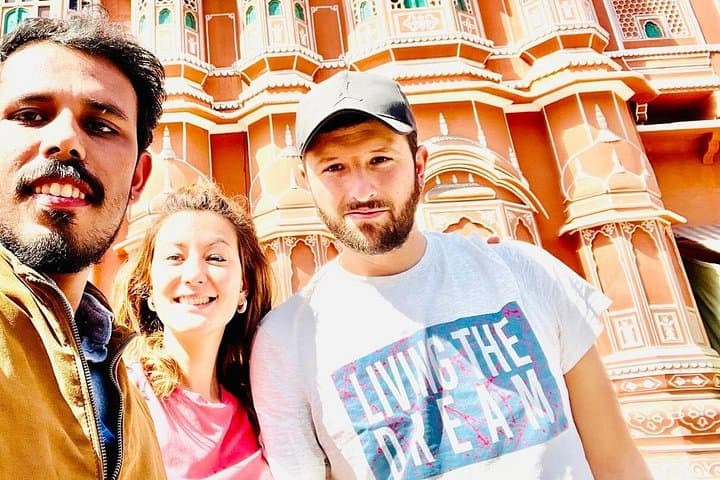
Morning light hits the pink sandstone and the city wakes in a wash of saffron smoke and rickshaw horns. On this 2.5-hour guided walk through Jaipur’s old city you move at the city’s pulse: through the geometric instruments of Jantar Mantar, past the carved courtyards of City Palace, around the latticework of Hawa Mahal and into the smaller temples and bazaars that supply the rhythm of daily life.
Verified experiences and guided adventures in the surrounding area.
Operated by RICH walk ( heritage, culture, history walk ) · Jaipur, Rajasthan
Morning light hits the pink sandstone and the city wakes in a wash of saffron smoke and rickshaw horns. On this 2.5-hour guided walk through Jaipur’s old city you move at the city’s pulse: through the geometric instruments of Jantar Mantar, past the carved courtyards of City Palace, around the latticework of Hawa Mahal and into the smaller temples and bazaars that supply the rhythm of daily life.
Jaipur was planned by Maharaja Sawai Jai Singh II in the 18th century; the Jantar Mantar observatory still maps his interest in astronomy, while Hawa Mahal reflects courtly needs for discrete viewing. The stone here is local sandstone from the Aravalli foothills, weathered by sun and dust into warm pink tones that define the city’s look.
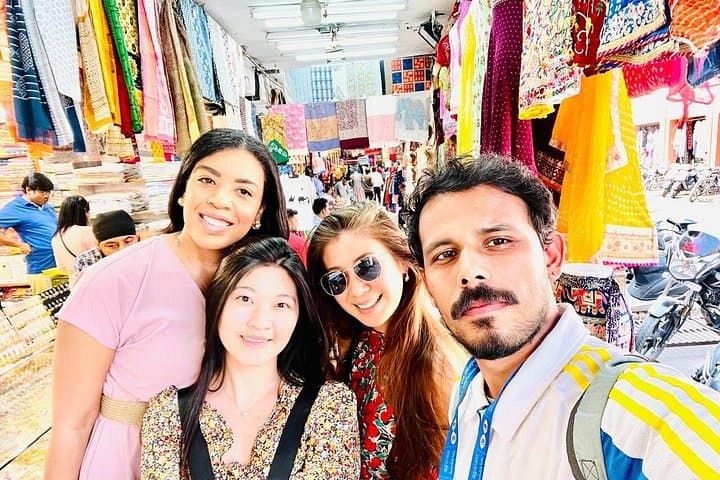
Culture arrives in quick vignettes: an aarti at Govind Devji, the clink of jewelry in Johri Bazaar and a vendor rolling out sweetened milk desserts. The guide adds context—royal lineages, temple etiquette, and how markets shaped Jaipur’s crafts.
Practical details are straightforward. Expect mostly paved streets and narrow lanes, roughly 3–4 km of walking with negligible elevation gain; the pace is gentle but crowded in places. Wear closed-toe, comfortable shoes, bring a refillable water bottle and sun protection, and dress modestly for temple visits. Morning departures avoid peak heat; tours are wheelchair- and stroller-accessible where noted, but narrow market alleys can be tight. Keep a small amount of local currency for incidental purchases and be prepared to step aside for passing traffic. This walk is best for curious travelers who want a compact, sensory primer on Jaipur’s history and living culture.
The tour lasts about 145 minutes and covers roughly 3–4 km of mostly flat, paved streets with frequent stops at landmarks.
This walking tour provides commentary and viewpoints outside major monuments; entrance tickets are not included for sites like City Palace or Jantar Mantar.
Yes—guides note the tour is suitable for families and is wheelchair- and stroller-accessible where surfaces allow, though some narrow alleyways can be tight.
Light, modest clothing, comfortable shoes, sun protection, and a refillable water bottle are recommended; small cash is useful for purchases or donations.
RICH walk ( heritage, culture, history walk ) operates guided outdoor trips and adventures with an emphasis on safety, stewardship, and memorable experiences.

Morning light hits the pink sandstone and the city wakes in a wash of saffron smoke and rickshaw horns. On this 2.5-hour guided walk through Jaipur’s old city you move at the city’s pulse: through the geometric instruments of Jantar Mantar, past the carved courtyards of City Palace, around the latticework of Hawa Mahal and into the smaller temples and bazaars that supply the rhythm of daily life.
Morning light hits the pink sandstone and the city wakes in a wash of saffron smoke and rickshaw horns. On this 2.5-hour guided walk through Jaipur’s old city you move at the city’s pulse: through the geometric instruments of Jantar Mantar, past the carved courtyards of City Palace, around the latticework of Hawa Mahal and into the smaller temples and bazaars that supply the rhythm of daily life.
Jaipur was planned by Maharaja Sawai Jai Singh II in the 18th century; the Jantar Mantar observatory still maps his interest in astronomy, while Hawa Mahal reflects courtly needs for discrete viewing. The stone here is local sandstone from the Aravalli foothills, weathered by sun and dust into warm pink tones that define the city’s look.
Culture arrives in quick vignettes: an aarti at Govind Devji, the clink of jewelry in Johri Bazaar and a vendor rolling out sweetened milk desserts. The guide adds context—royal lineages, temple etiquette, and how markets shaped Jaipur’s crafts.
Practical details are straightforward. Expect mostly paved streets and narrow lanes, roughly 3–4 km of walking with negligible elevation gain; the pace is gentle but crowded in places. Wear closed-toe, comfortable shoes, bring a refillable water bottle and sun protection, and dress modestly for temple visits. Morning departures avoid peak heat; tours are wheelchair- and stroller-accessible where noted, but narrow market alleys can be tight. Keep a small amount of local currency for incidental purchases and be prepared to step aside for passing traffic. This walk is best for curious travelers who want a compact, sensory primer on Jaipur’s history and living culture.