THE ADVENTURE COLLECTIVE® · Independent discovery and booking for outdoor travel

Cover Jaipur’s highlights—Amber Fort, Hawa Mahal and Jantar Mantar—on a private round-trip from New Delhi. This full-day car tour blends comfortable transport with guided stops and free time for shopping.
Cover Jaipur’s highlights—Amber Fort, Hawa Mahal and Jantar Mantar—on a private round-trip from New Delhi. This full-day car tour blends comfortable transport with guided stops and free time for shopping.
You leave Delhi before dawn and the road unfurls—dusty fields give way to the ochre of Rajasthan as the driver navigates national highways toward Jaipur. By midmorning the city’s pink sandstone facades catch the sun; Amber Fort rises above a lake, and the narrow streets near Hawa Mahal hum with vendors and rickshaws. The day feels cinematic but measured: a series of deliberate stops, each with its own vantage point for photography and short walks.
Verified experiences and guided adventures in the surrounding area.
Operated by India Golden Triangle Tour · Jaipur, Rajasthan
You leave Delhi before dawn and the road unfurls—dusty fields give way to the ochre of Rajasthan as the driver navigates national highways toward Jaipur. By midmorning the city’s pink sandstone facades catch the sun; Amber Fort rises above a lake, and the narrow streets near Hawa Mahal hum with vendors and rickshaws. The day feels cinematic but measured: a series of deliberate stops, each with its own vantage point for photography and short walks.
Jaipur was founded in 1727 by Maharaja Sawai Jai Singh II and planned on a grid—an early modern city in a desert landscape. Geologically, the Aravalli Range to the west is ancient, its weathered hills contrasting with Jaipur’s carved palaces and stone observatories like Jantar Mantar, an 18th‑century astronomical complex. Local culture is visible everywhere: block-printed textiles, brasswork, and markets where bargaining is expected.
Practically, this is a drive-and-walk day: expect 10–12 hours total travel, short climbs at Amber Fort, and paved streets in the old city. Carry a refillable water bottle; the sun can be intense and shade sparse between stops. Wear sensible shoes for cobbled courtyards and steps, and dress modestly in busy religious or palace sites. Plan lunch with extra time—local restaurants often serve thali and regional Rajasthani dishes.
Timing matters: arrive early at Amber Fort or Hawa Mahal to avoid crowds and midday heat. Keep small cash for market purchases and tipping drivers or guides. The rhythm of the trip alternates between calm drives and brisk explorations—fast-moving, but giving you a practical, concentrated look at Jaipur’s architecture, science, and street life in a single day.
The one-way drive typically takes about 4–5 hours depending on traffic, making this a 10–12 hour round-trip day.
Most entrance fees to monuments like Amber Fort and City Palace are not included; bring cash or card to pay on arrival unless the tour states otherwise.
Yes—infants are usually expected to sit on an adult’s lap; the itinerary is mostly low-impact walking but long driving times may be tiring for young children.
This is a private tour so there’s flexibility for brief adjustments, but major changes depend on traffic, timing, and the driver’s schedule.
India Golden Triangle Tour operates guided outdoor trips and adventures with an emphasis on safety, stewardship, and memorable experiences.
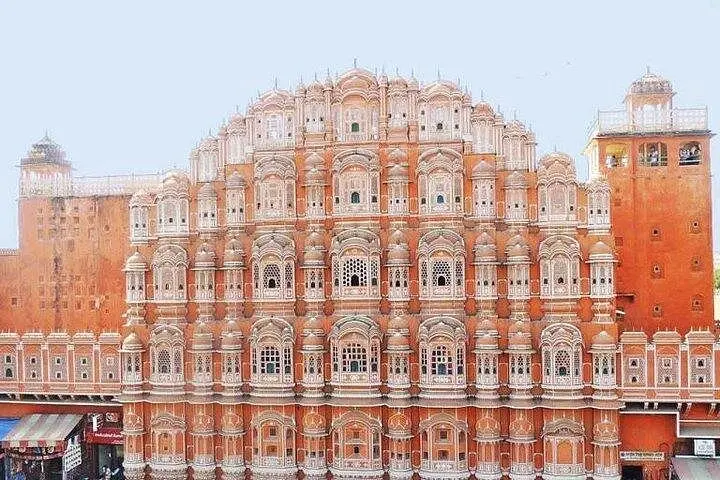
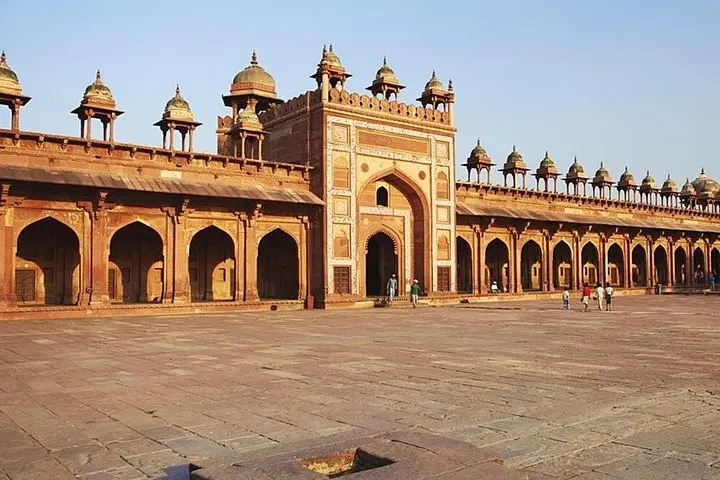
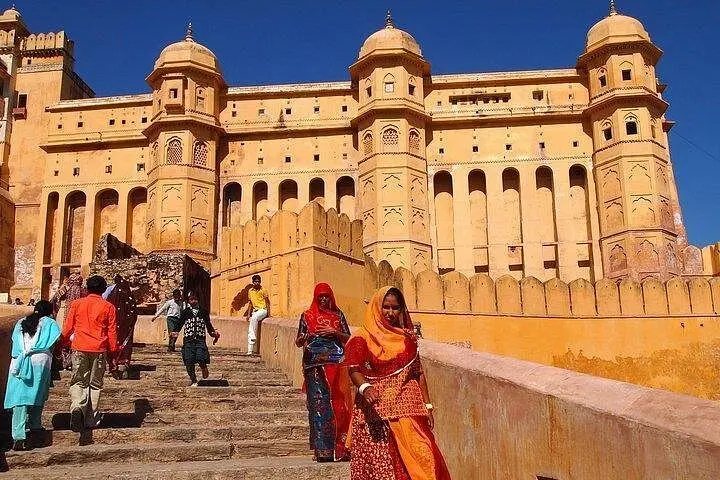
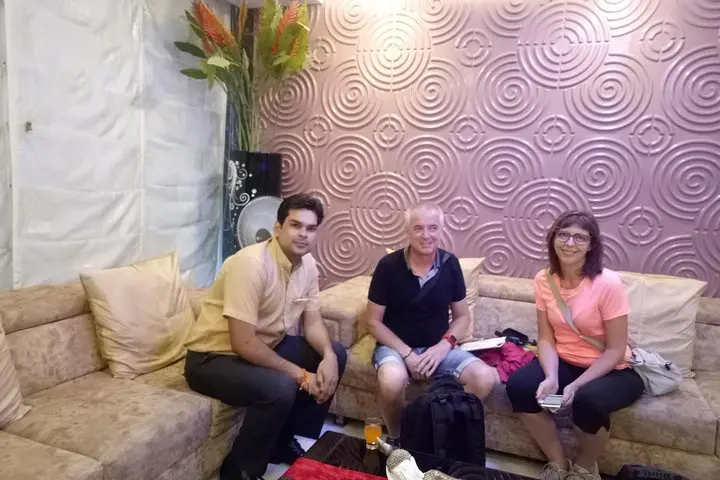
You leave Delhi before dawn and the road unfurls—dusty fields give way to the ochre of Rajasthan as the driver navigates national highways toward Jaipur. By midmorning the city’s pink sandstone facades catch the sun; Amber Fort rises above a lake, and the narrow streets near Hawa Mahal hum with vendors and rickshaws. The day feels cinematic but measured: a series of deliberate stops, each with its own vantage point for photography and short walks.
You leave Delhi before dawn and the road unfurls—dusty fields give way to the ochre of Rajasthan as the driver navigates national highways toward Jaipur. By midmorning the city’s pink sandstone facades catch the sun; Amber Fort rises above a lake, and the narrow streets near Hawa Mahal hum with vendors and rickshaws. The day feels cinematic but measured: a series of deliberate stops, each with its own vantage point for photography and short walks.
Jaipur was founded in 1727 by Maharaja Sawai Jai Singh II and planned on a grid—an early modern city in a desert landscape. Geologically, the Aravalli Range to the west is ancient, its weathered hills contrasting with Jaipur’s carved palaces and stone observatories like Jantar Mantar, an 18th‑century astronomical complex. Local culture is visible everywhere: block-printed textiles, brasswork, and markets where bargaining is expected.
Practically, this is a drive-and-walk day: expect 10–12 hours total travel, short climbs at Amber Fort, and paved streets in the old city. Carry a refillable water bottle; the sun can be intense and shade sparse between stops. Wear sensible shoes for cobbled courtyards and steps, and dress modestly in busy religious or palace sites. Plan lunch with extra time—local restaurants often serve thali and regional Rajasthani dishes.
Timing matters: arrive early at Amber Fort or Hawa Mahal to avoid crowds and midday heat. Keep small cash for market purchases and tipping drivers or guides. The rhythm of the trip alternates between calm drives and brisk explorations—fast-moving, but giving you a practical, concentrated look at Jaipur’s architecture, science, and street life in a single day.